Sault Ste. Marie
"Half the town is in Ontario, half in Michigan, and the river between them does not care about either."
A twin border city on the rapids linking Lake Superior to Lake Huron, where freighters idle at the locks and the Agawa Canyon Tour Train carries you into the Group of Seven's raw painting country.
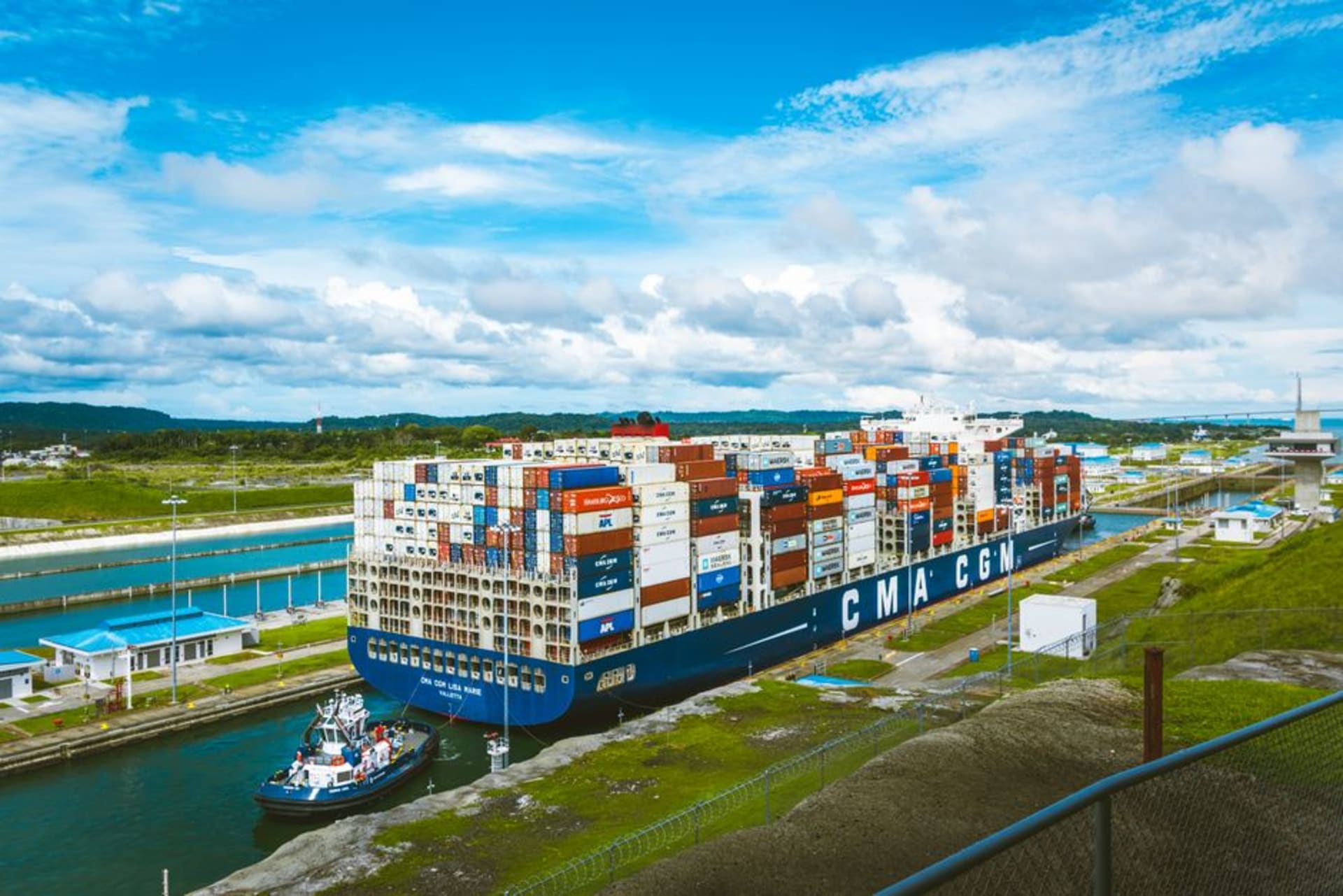
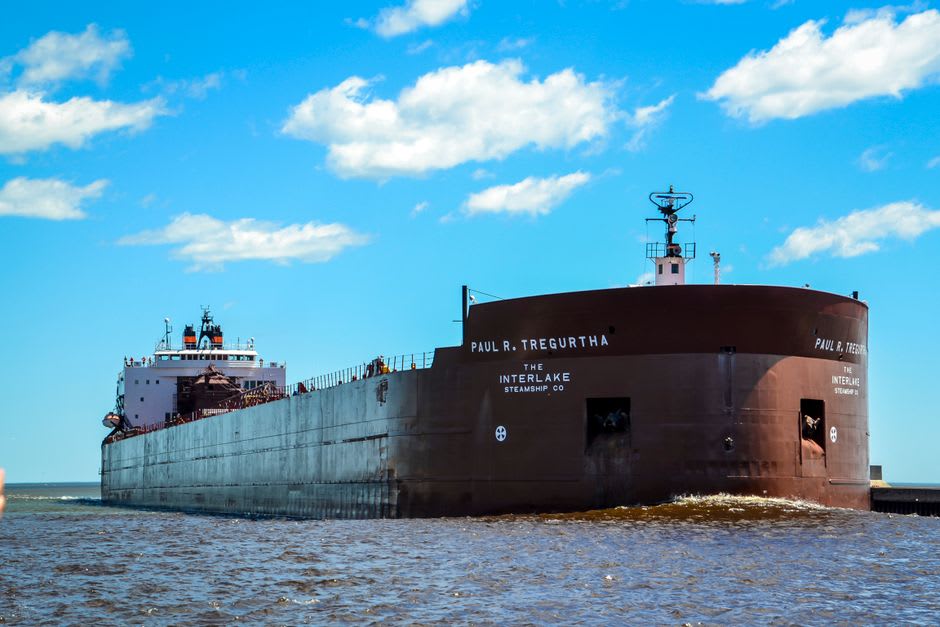
I got to “the Soo” — everyone local calls it that, and it took me a full day to stop feeling silly saying it — by driving up from Sudbury with no real plan beyond wanting to see the locks. I didn’t expect to spend an hour just standing at the canal watching a laker, one of those thousand-foot bulk carriers, drop eight metres through the chamber like it weighed nothing. There’s a viewing platform right at the edge, close enough to hear the water hiss against the hull, and a retired engineer next to me explained the whole system — how it’s been moving iron ore and grain between Superior and Huron since the 1890s — with the pride of someone describing his own child’s accomplishments.
The city itself sits split across an international border, Sault Ste. Marie, Ontario, staring at its American twin across the St. Marys River. You can see Michigan from the boardwalk. It gives the place an odd double-consciousness — one downtown, two currencies casually accepted in half the shops, a bridge that people cross for groceries the way I’d cross a street back home.
The Agawa Canyon in October
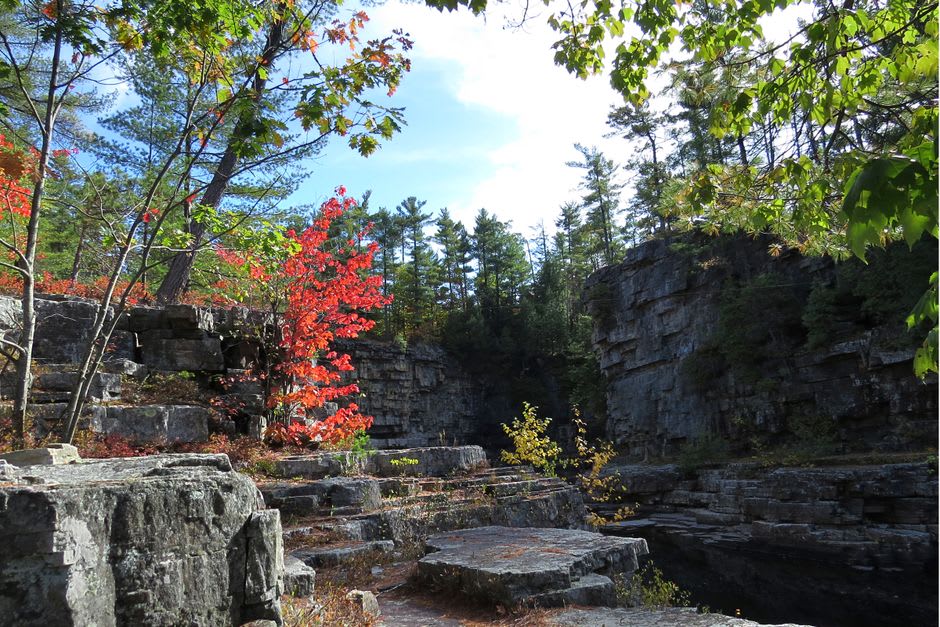
The real reason to come, though, is the train. The Agawa Canyon Tour Train leaves from the old station downtown and climbs for hours through Precambrian shield country — black spruce, exposed pink granite, waterfalls dropping straight into the gorge — before stopping for ninety minutes at the canyon floor itself. I went in the first week of October and the maples had gone the kind of red that looks unreasonable in photographs, the sort of red you assume has been edited until you’re standing in it. This is, quite literally, the country the Group of Seven painted a century ago — Lawren Harris and A.Y. Jackson rode this same rail line with their easels, and once you’ve seen the light hit those ridges you understand exactly why they never stopped coming back.
Back in town, I ate whitefish at a diner overlooking the rapids and talked to the owner about winter — he said the river never fully freezes at the rapids themselves because the current runs too fast, and that on the coldest days steam rises off the water like the whole river is breathing. I believed him. This is not a flashy destination. It’s a working border town that happens to sit at one of the great geographic hinges of the continent, and it wears that fact without fuss.
When to go: Late September to mid-October for the Agawa Canyon foliage — book the train weeks ahead, the fall runs sell out. Summer is pleasant and quieter if you just want the locks and the river without the crowds.