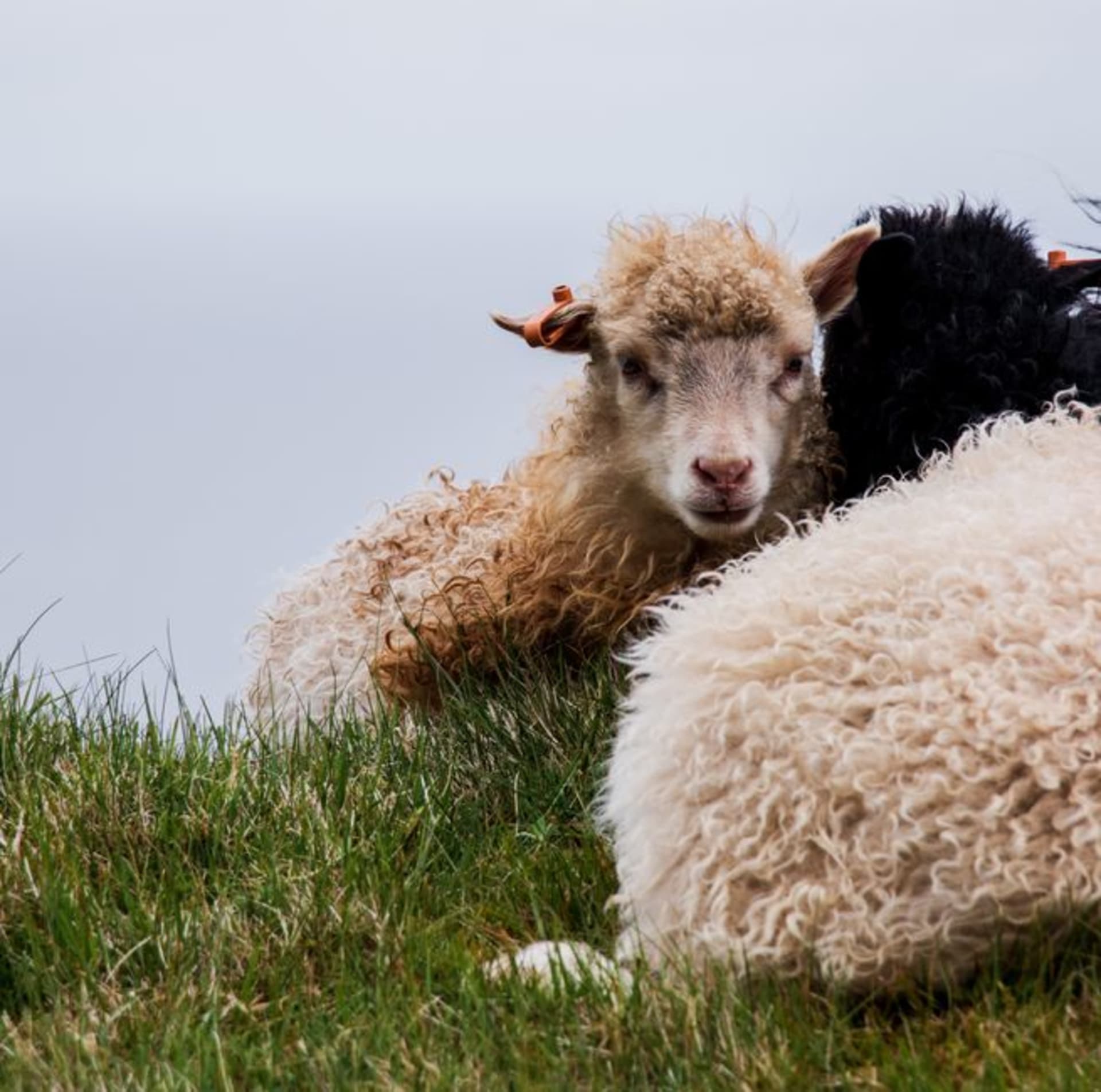
Salt Spring Island
"Salt Spring is what happens when back-to-the-landers actually make it work."
The largest and liveliest of the Gulf Islands, a patchwork of ocean-view farms, artisan studios, and quiet homesteader defiance floating between Vancouver Island and the mainland.
The ferry from Vancouver Island to Salt Spring takes about half an hour, and I spent most of it on deck watching seals haul out on the rocky islets that pepper the Gulf Islands strait. By the time we docked at Fulford Harbour, I had already decided this was going to be a slower kind of visit than most of what I do in Canada, and the island did not argue with me. Salt Spring is the largest of the Gulf Islands, home to around eleven thousand people scattered across farms, forested ridges, and a single proper town, Ganges, that functions as the social hub for the whole place.
What struck me almost immediately was how seriously the island takes food. Sheep graze on hillside pastures that end abruptly at ocean cliffs, goat dairies advertise their cheese with hand-painted signs at the end of gravel driveways, and roadside honesty stalls sell eggs and dahlias on the trust system, a jam jar of coins sitting unattended and apparently untouched for years. This is Canada’s most concentrated experiment in small-scale, back-to-the-land agriculture, and it has been running since the sixties without ever quite becoming a museum piece of itself.
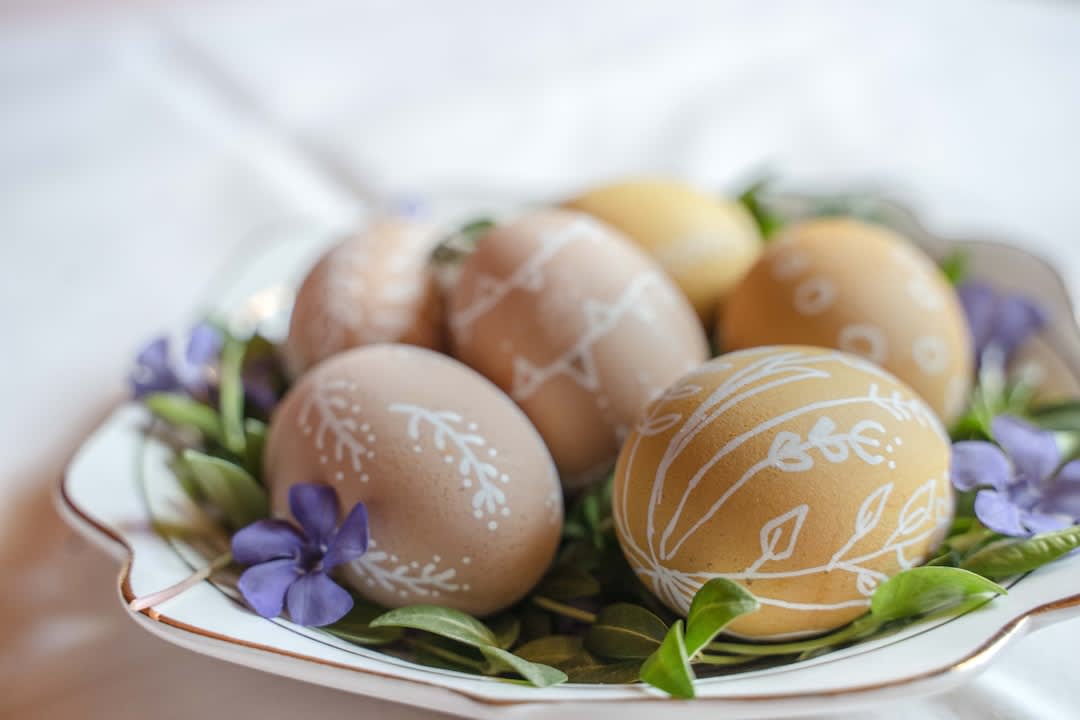
The Saturday Market
Everything the island grows, bakes, throws, or carves seems to converge on Ganges every Saturday morning from April to October, when Centennial Park fills with a market that locals will tell you, without irony, is the best in Canada — and having been to a fair number, I am not inclined to argue hard. Vendors sell only what they made or grew themselves, which means the produce stand next to you might belong to the same family running the pottery stall two tents down. I bought a wedge of nettle-infused goat cheese from a woman who had milked the goats that morning, and a small hand-thrown mug from a potter who fires his kiln with wood he splits himself on a homestead up island. There is a busker culture here too, fiddle and guitar drifting between the stalls, and the whole market has the unhurried, slightly self-satisfied energy of a place that knows exactly what it has built.
Away from Ganges, the island turns quiet fast — gravel roads climbing to Mount Maxwell for a view over the whole archipelago, quiet coves for kayaking, artist studios tucked into the forest with hand-painted signs pointing down long driveways. I never once felt like I was still technically commuting distance from a major city.
When to go: May through September for the full run of the Saturday Market and the farms at their most productive; shoulder season in September avoids the worst of the ferry lineups.