Riding Mountain National Park
"You drive two hours through dead-flat wheat fields and then the land just stands up in front of you — that's Riding Mountain announcing itself."
A forested escarpment rising abruptly out of the Manitoba prairie, home to a free-roaming bison enclosure and the lakeside townsite of Wasagaming, where the trees just don't quit.
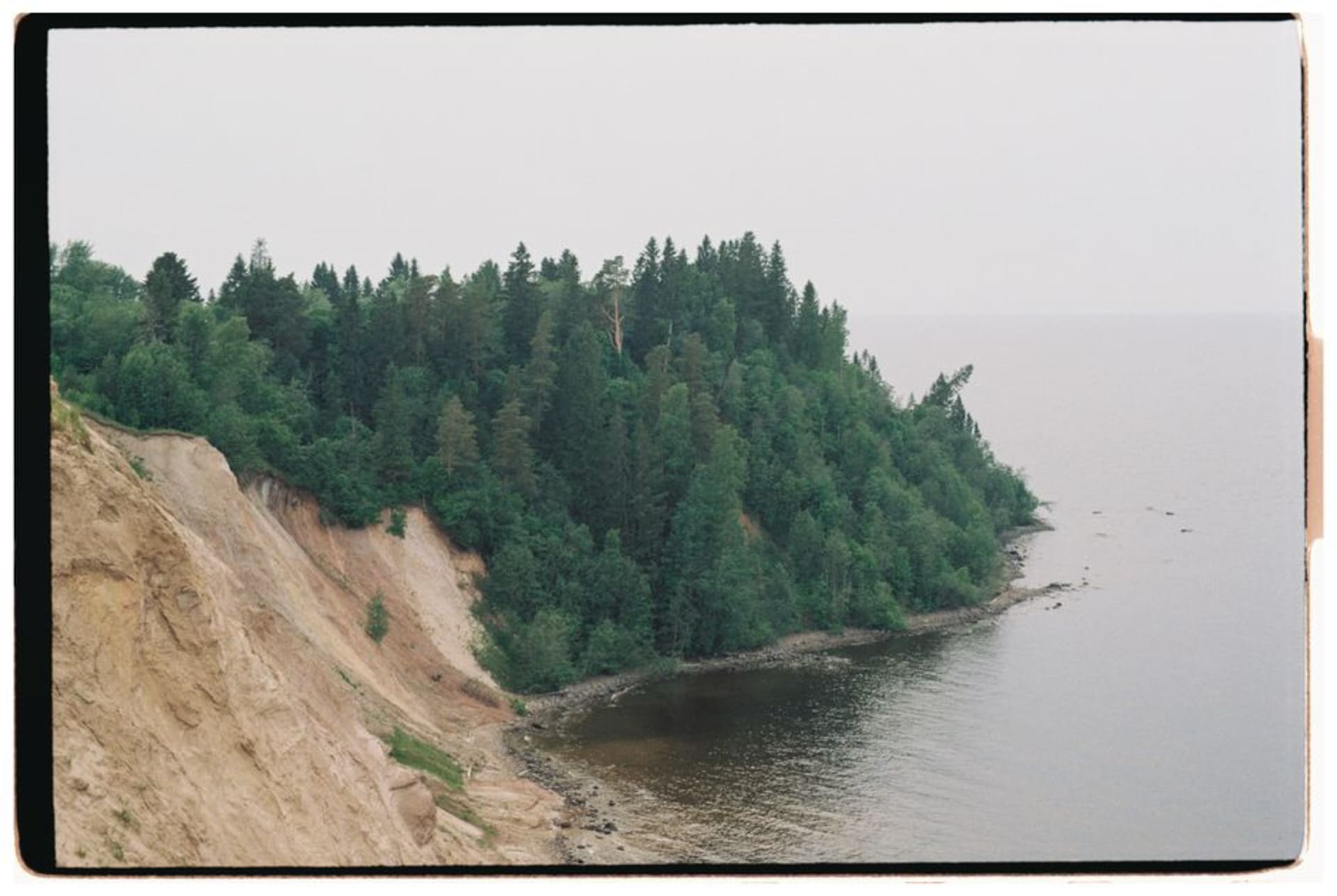
Nothing about the drive from Winnipeg prepares you for the moment Riding Mountain appears. For two hours it’s the flattest agricultural land imaginable, grain elevators as the only vertical interruption, and then the road starts to climb, the fields give way to aspen, and suddenly you’re inside a genuine forested escarpment rising several hundred metres above the surrounding prairie. Geologists call it the Manitoba Escarpment; locals just call it the Mountain, despite there being nothing alpine about it. It’s an ecological island, really — boreal forest, prairie, and aspen parkland all colliding in one protected block, which is presumably why moose, black bears, wolves, and elk all manage to coexist here in numbers that surprised me.
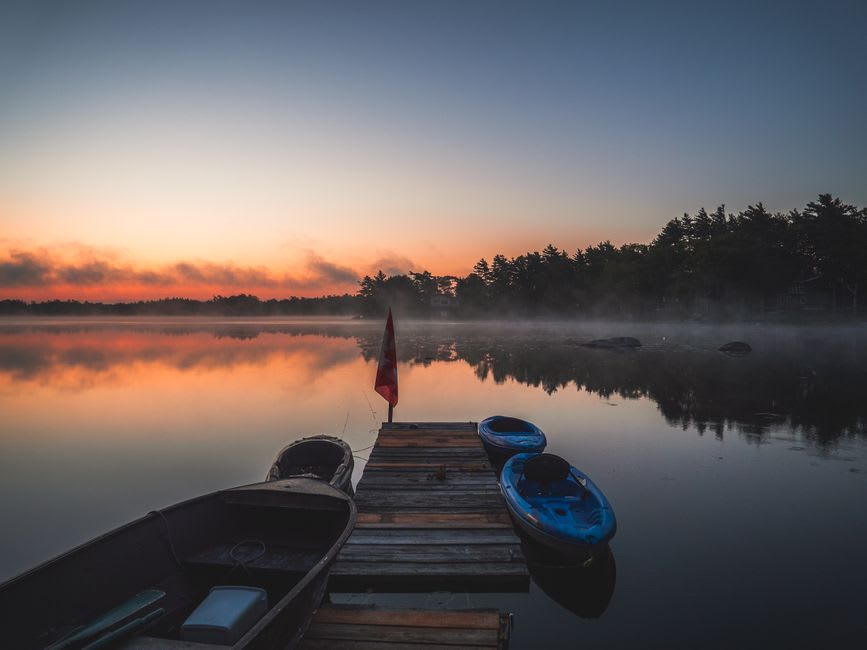
I based myself in Wasagaming, the townsite on the shore of Clear Lake, a cluster of 1930s-era log-cabin architecture that the park deliberately preserved rather than modernized. Renting a canoe at dawn, I paddled out into water so still it doubled the treeline in reflection, loons calling somewhere across the lake with that eerie, wavering cry that never stops sounding slightly haunted no matter how many times you hear it.
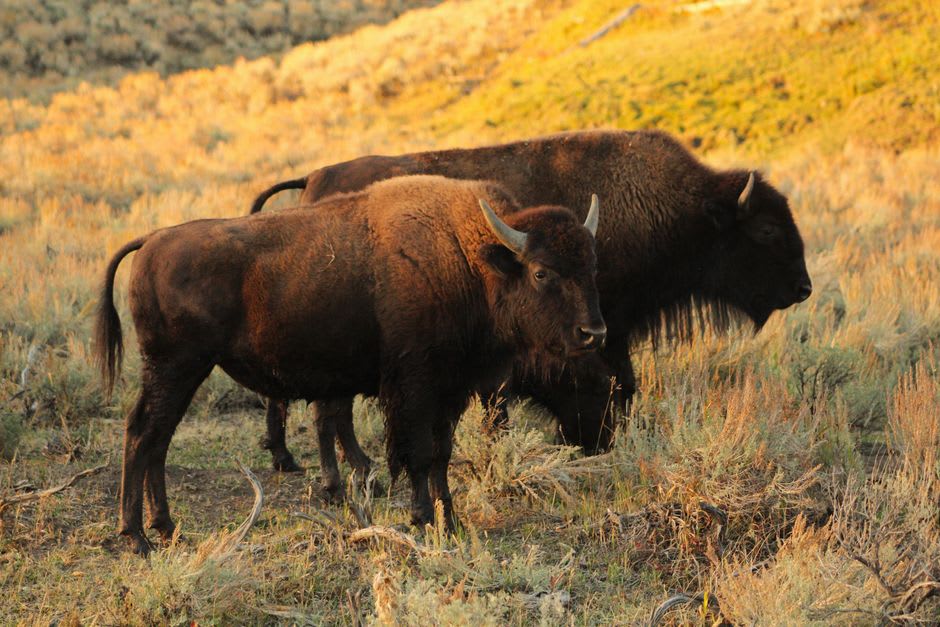
The bison enclosure
A short drive from Wasagaming, the park maintains a large bison enclosure where a herd descended from Manitoba’s original plains bison population roams a stretch of restored prairie within the forest. I pulled over along the loop road and watched a cluster of them grazing at the treeline, shaggy and enormous against the aspen gold of a September afternoon — a small, deliberate act of restoration inside a park that already felt like it was quietly repairing something.
That evening, a park interpreter at the visitor centre told me Riding Mountain had been a contested piece of land for over a century — logged, farmed at its edges, fought over by settlers and the Indigenous Anishinaabe and Dakota communities whose treaty and traditional territories overlap here — before finally being protected in 1929. The forest you walk through today, she said, is really a second growth, a recovery still very much in progress.
An escarpment that surprises you twice
Riding Mountain surprises you first with its sudden verticality against the prairie, and then again with how much life is packed into it once you’re inside. It’s not dramatic in the way the Rockies are dramatic — no jagged peaks, no glaciers — but the sheer contrast with everything around it makes it feel more improbable, somehow, than mountains twice its size.
When to go: July and August for warm lake swimming and full services in Wasagaming; September for elk bugling season and the first turn of aspen gold, with noticeably fewer visitors on the trails.