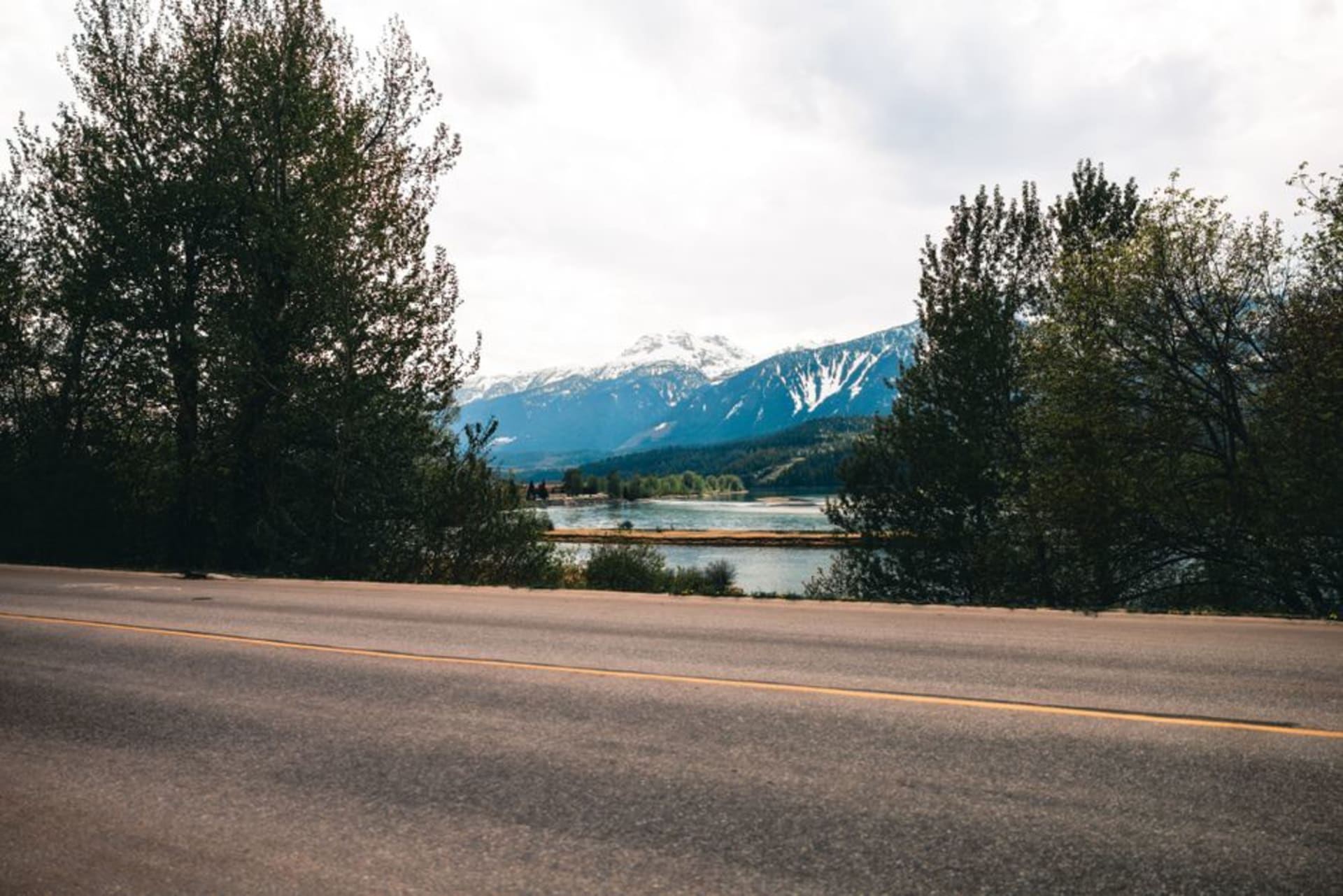
Revelstoke
"I have never seen snow fall like it falls on Revelstoke — less weather than a kind of geological event."
A deep-powder ski town buried in the Selkirk Mountains, shaped by avalanche history at Rogers Pass and reborn each summer as a mountain-biking playground.
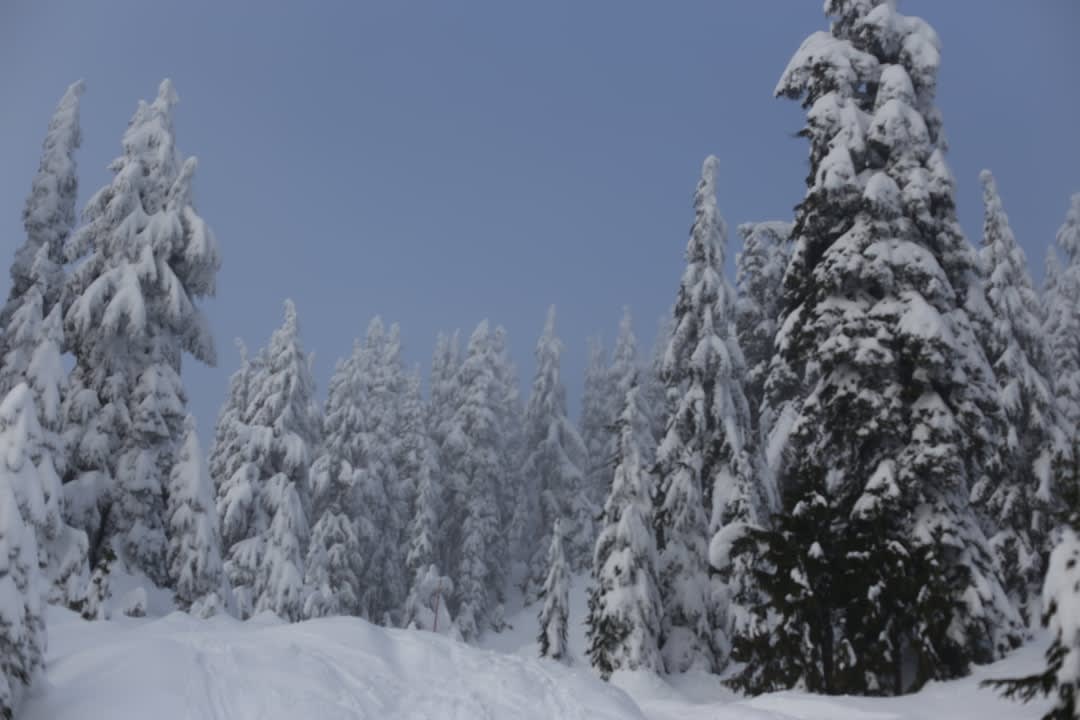
I woke up in Revelstoke to a silence so complete it felt physical, pulled back the curtain, and found that forty centimetres of new snow had fallen overnight without a single sound reaching my room. That is the thing people warn you about before you get here and that no warning quite prepares you for — this town in the Selkirk Mountains receives some of the deepest, driest powder in North America, an average of around ten metres a season, largely because it sits directly in the path of Pacific storms that get wrung out as they slam into the Columbia Mountains. Revelstoke Mountain Resort has the largest vertical drop of any ski resort in North America, and skiing top to bottom through untouched glades felt less like a run and more like an extended act of disbelief.
The town itself has kept a rougher, more genuine edge than most ski destinations its size, a legacy of its railway and logging past rather than a manufactured resort village. Grizzly Plaza downtown still has the feel of a working mountain town that skiing arrived in rather than one built around it, brick storefronts and a community bandstand where local musicians play in summer, everything a size smaller and less polished than Whistler two provinces over, which I mean entirely as praise.
Rogers Pass and the avalanche years
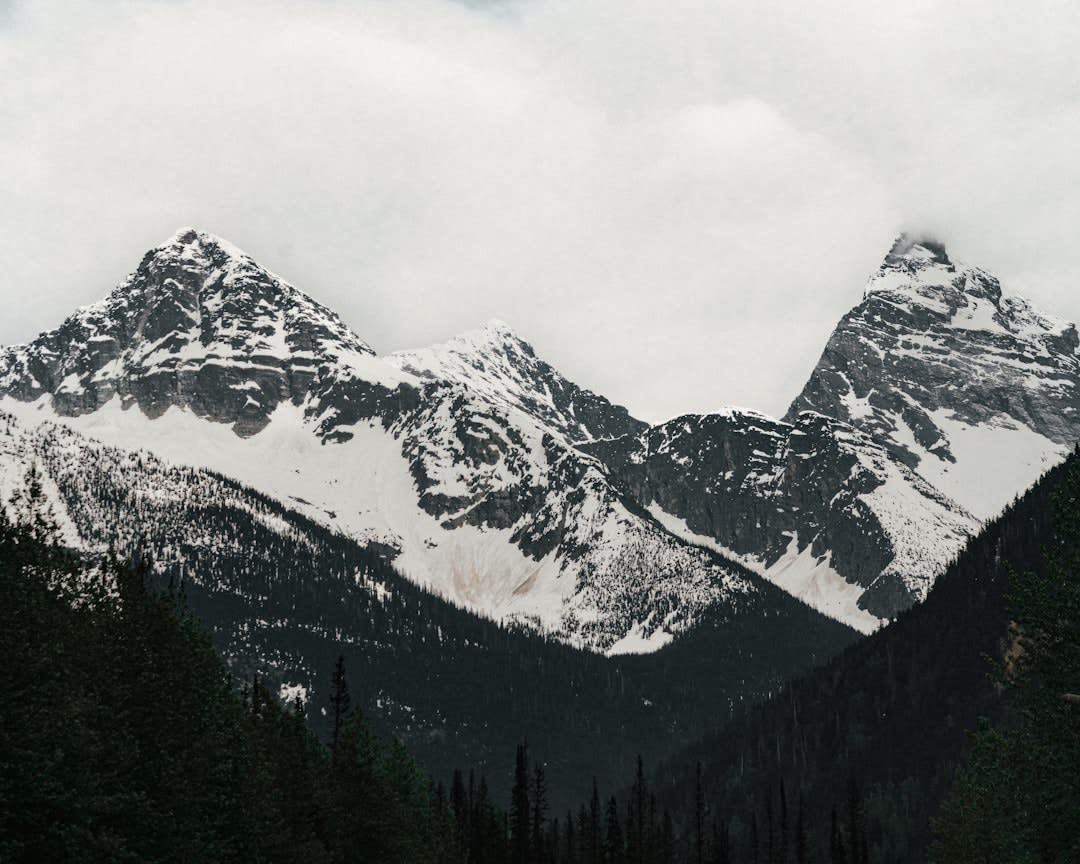
Just east of town, Rogers Pass carries the Trans-Canada Highway through some of the most avalanche-prone terrain on the continent, and the history there is heavier than the scenery first suggests. Building the Canadian Pacific Railway through this pass in the 1880s cost dozens of workers’ lives to avalanches, culminating in a single 1910 slide that killed fifty-eight men clearing an earlier avalanche, at the time the worst avalanche disaster in Canadian history. The railway eventually bored the Connaught Tunnel beneath the worst of the terrain rather than keep fighting it on the surface. Today Rogers Pass runs one of the largest mobile avalanche-control programs in the world, using howitzers to trigger controlled slides before they can take the highway by surprise, and I stopped at the interpretive centre and stood looking up at slide paths still scarred bare of trees, trying to imagine that history under all the postcard snow.
Summer flips the whole town over completely. The same mountains that bury Revelstoke in winter turn into a mountain-biking network that draws riders from across the continent, and I rode a lift-served descent from the resort’s summit through alpine meadows still patched with snow in July, wildflowers pushing up right at the melting edge.
When to go: January and February for the deepest, driest snow; July and August for mountain biking and hiking once the high trails have cleared.