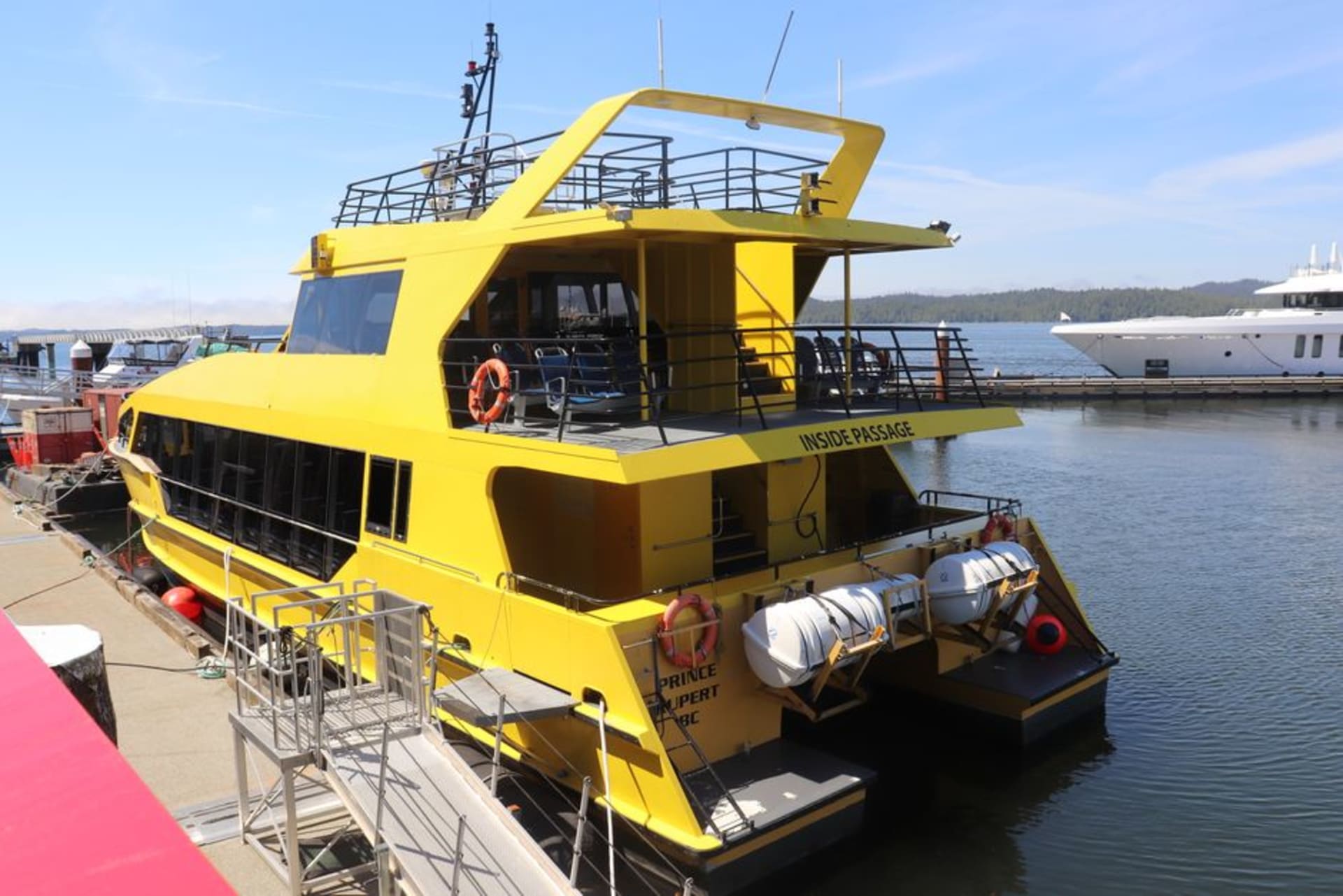
Prince Rupert
"Prince Rupert doesn't perform for visitors. It just keeps being a working port town in the rain, which I found weirdly reassuring."
A misty, working port city at the edge of northern British Columbia, built on Tsimshian land and reachable only by a long drive, a ferry, or a plane.
It rained the entire time I was in Prince Rupert, which locals informed me, without a trace of apology, was simply the town functioning as designed. This is one of the wettest cities in Canada, and the rain has a texture to it here that’s different from anywhere else I’ve experienced on this coast — fine, near-constant, more mist than downpour, settling on everything until the whole town has a soft-focus quality, like a photograph that hasn’t quite developed. I’d driven the better part of two days from Prince George to get here, watching the landscape thin out and the towns get smaller and further apart, and arriving at the water felt like reaching the actual edge of the continent rather than a scenic overlook of it.
A Port That Looks Past You
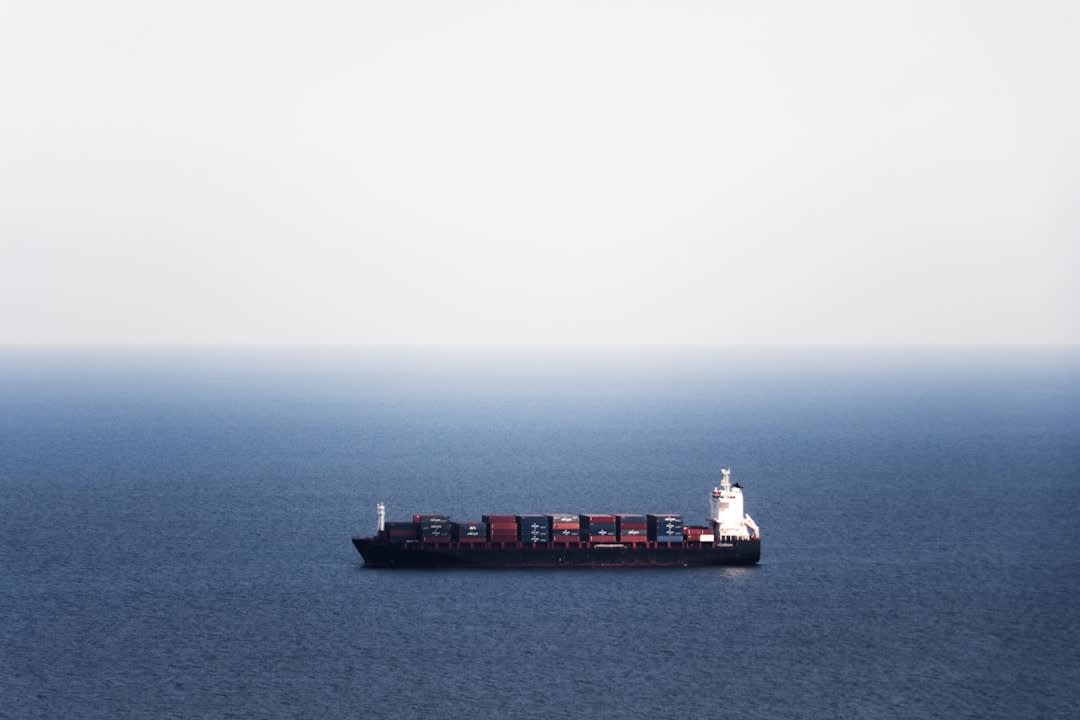
Prince Rupert exists because of its harbour, one of the deepest natural ports on the west coast of North America, and it does not disguise this fact for tourists. Container cranes work through the rain on the far side of the inlet. Fishing boats — real ones, not the varnished kind you find in resort towns — line up along the docks. This is also the departure point for the Alaska Marine Highway ferries and the BC Ferries run out to Haida Gwaii, so the town has a permanent undertow of people passing through rather than staying, backpackers and truckers and fishermen sharing the same diner counters at odd hours.
Cow Bay and Tsimshian Ground
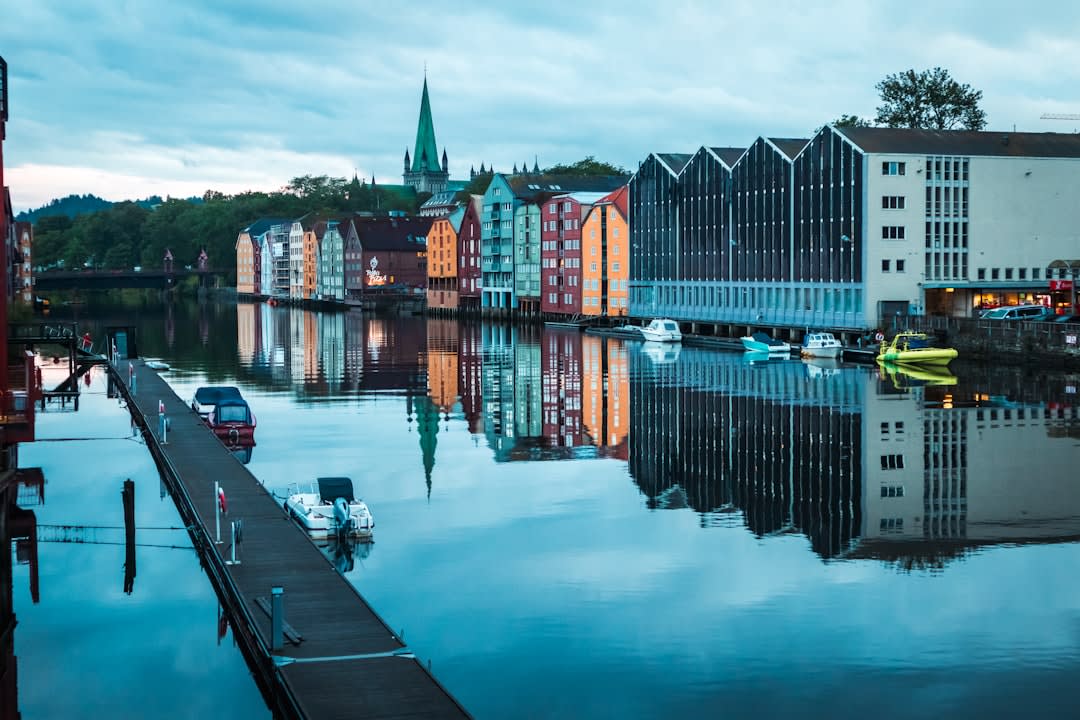
Cow Bay is the one part of town built explicitly for wandering — a cluster of Victorian-era waterfront buildings painted in cheerful cow-print colours (a branding choice that shouldn’t work and somehow does), housing a good bookshop, a coffee roaster, and a museum that does not soften the history of the place. Prince Rupert sits on Tsimshian territory, and the Museum of Northern British Columbia does a genuinely serious job of presenting Tsimshian art, longhouse history, and the region’s much longer human story, which predates the port by thousands of years. I spent an hour there out of the rain and came out understanding the town differently — less as a remote outpost and more as a relatively recent addition to a landscape that had been inhabited and organized long before the railway decided this was a good place to end.
Dinner was halibut, unglamorously fried, at a place with fogged-up windows and a view of absolutely nothing because of the weather. It was one of the best fish meals I’ve had on this coast, which tells you something about where the emphasis in this town actually lies.
When to go: June through August offers the best odds of drier days, though “dry” here is relative. Go regardless if you’re catching the Haida Gwaii or Alaska ferry — the town is worth a day on its own before you continue north.