Point Pelee
"Stand at the tip long enough and you realize you're at the exact southern edge of an entire country."
Canada's southernmost mainland point, a marshy spit into Lake Erie that becomes, twice a year, one of the continent's great migratory bird and butterfly bottlenecks.
I walked out to the very tip of Point Pelee on a cool May morning, the sandy spit narrowing until it was barely wider than a path, water on both sides, and stopped where a small sign marks it as the southernmost point of mainland Canada — further south, in fact, than the northern border of California. It’s a strange, slightly vertiginous fact to stand inside, this needle of land jutting into Lake Erie at the same latitude as northern California, and it explains almost everything about why the park matters so much to naturalists.
That southern position, combined with the peninsula’s shape funneling migrating animals toward its tip, turns Point Pelee into one of the great natural bottlenecks of North America. Birders arrive by the thousands every May for what’s simply called “the Point Pelee migration,” when the park sits directly on a major flyway and exhausted songbirds, having just crossed Lake Erie, drop into the park’s trees in a phenomenon locals call a “fallout” — sometimes hundreds of birds per tree, warblers in particular, refueling before continuing north.
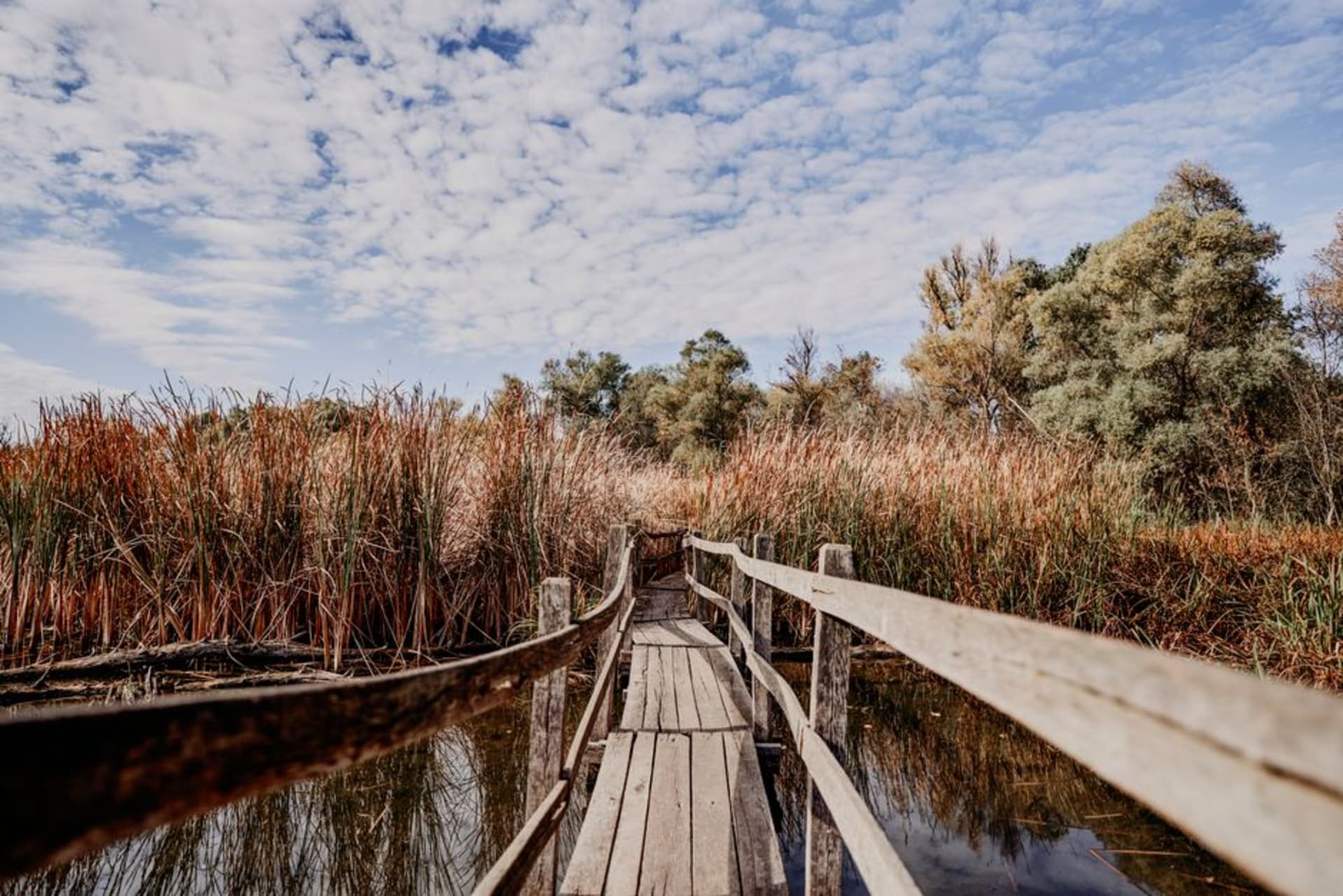
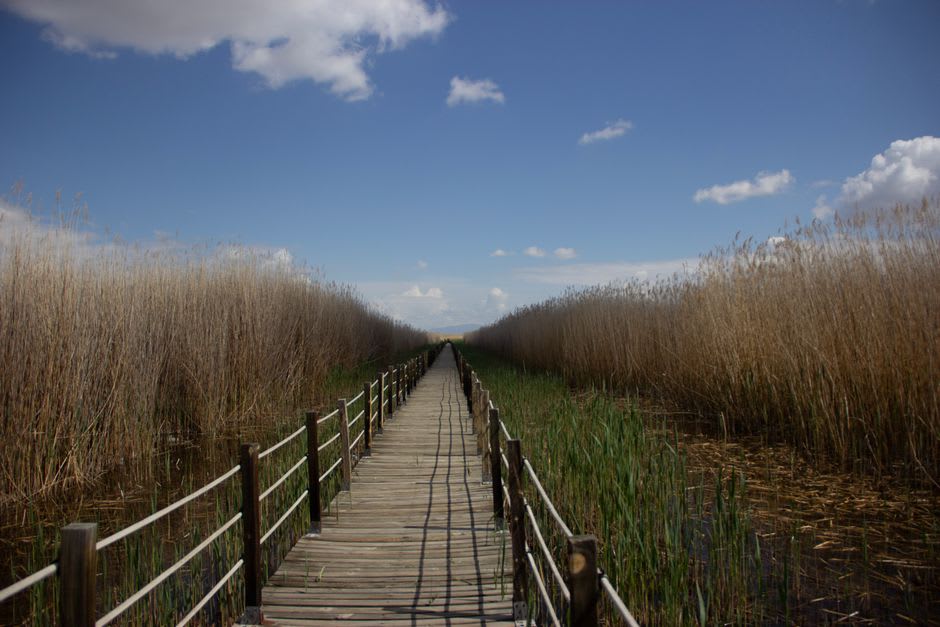
The Marsh Boardwalk
Most of the park’s interior is marsh, and a long boardwalk loops through cattails and open water where herons stand motionless and turtles line up on half-submerged logs. I walked it at dawn during migration season, binoculars useless half the time because there was simply too much movement to track, warblers flitting between reeds in colours I hadn’t expected from a Canadian marsh — chestnut, gold, a startling blue. The boardwalk keeps you dry-footed through what would otherwise be impassable wetland, and it’s one of the better pieces of nature infrastructure I’ve walked in Canada.
The Monarchs
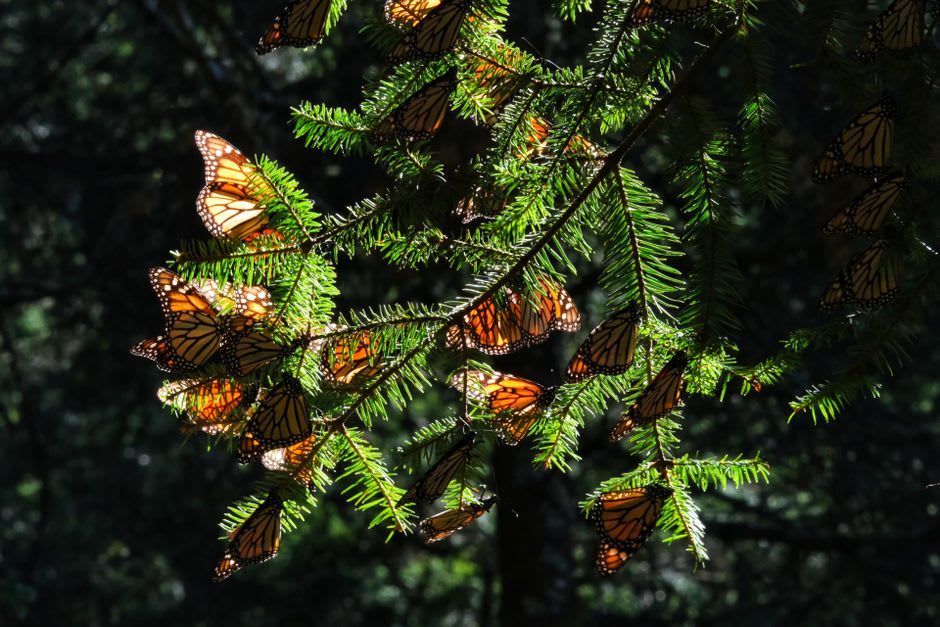
The other migration, in September, belongs to monarch butterflies. Point Pelee’s tip is a staging ground where monarchs gather by the thousands before attempting the open-water crossing of Lake Erie on their way to overwintering grounds in Mexico, and on a good day the trees at the point are genuinely thick with them, branches sagging slightly under the weight of folded orange wings. I happened to be there on exactly the right afternoon in late September, a light breeze rattling through a cedar absolutely covered in monarchs, and it was one of the more quietly overwhelming natural sights I’ve come across anywhere, let alone at the edge of a Canadian parking lot.
When to go: Early-to-mid May for peak songbird migration and the famous fallout events; mid-to-late September for the monarch butterfly staging, when conditions are calm enough for the crossing to begin.