Percé
"A limestone monolith with a hole punched clean through it — the first thing you see, and you never stop looking at it."
A fishing village turned artist colony at the tip of the Gaspé Peninsula, watched over by the massive offshore arch of Percé Rock and a seabird colony on Bonaventure Island.
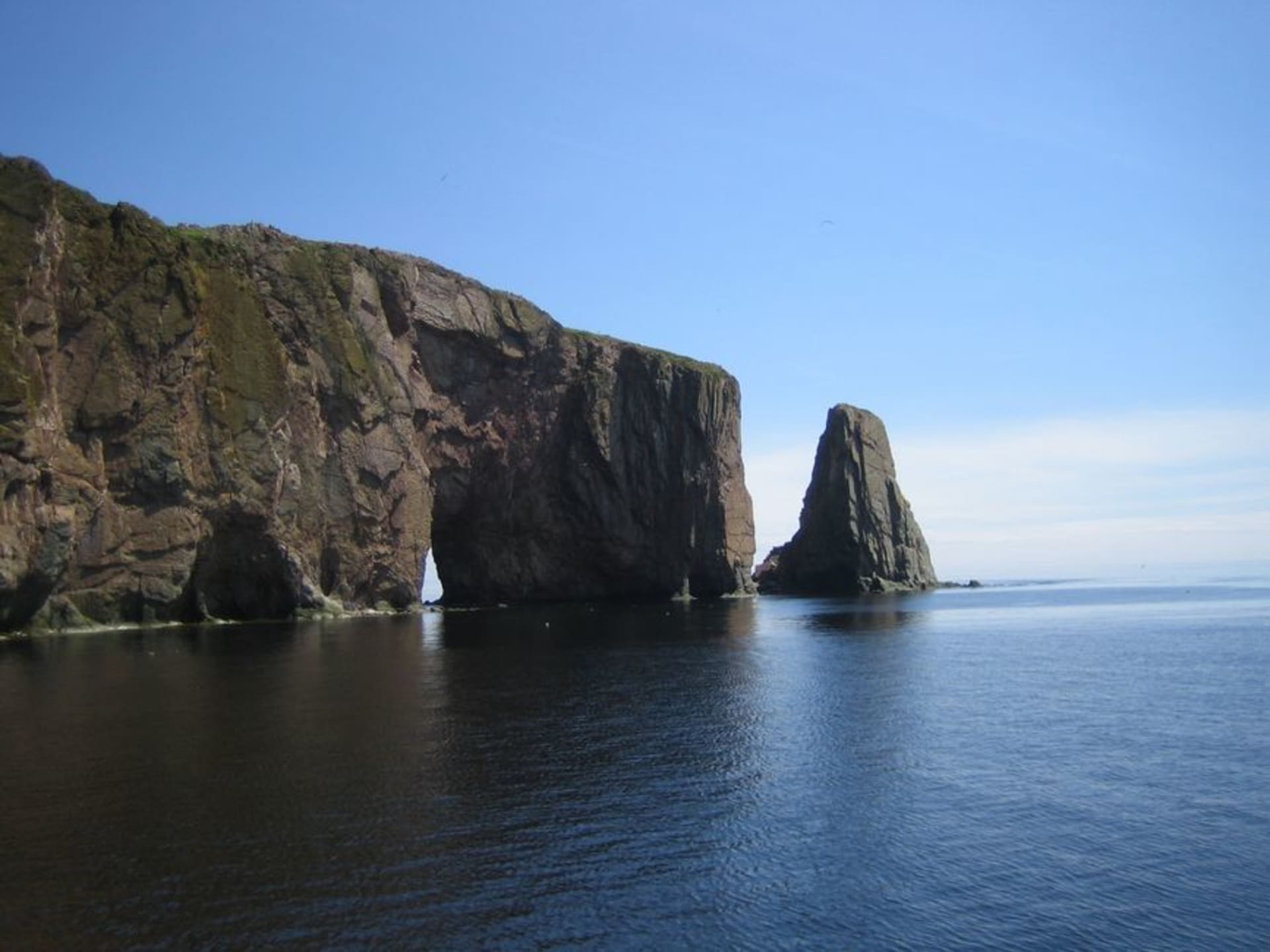
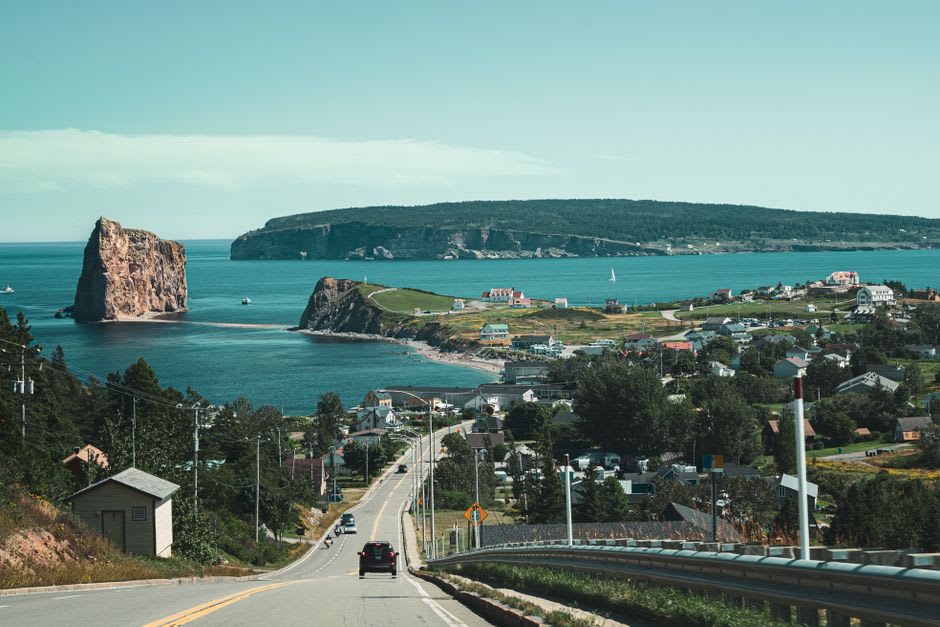
You see Percé Rock before you’ve even parked the car, which is exactly the point of the place. The massive limestone formation sits just offshore from the village, nearly 500 meters long and 90 meters high, pierced by a natural arch that has become one of the most photographed landmarks in Quebec, and no photo I’d seen beforehand prepared me for its scale in person. It used to have two arches; the second collapsed in 1845, leaving behind a detached pillar the locals call “l’Obélisque.” I checked into a small inn with a direct view of the rock and spent an embarrassing amount of that first evening just watching its color shift from grey to rose to near-purple as the sun dropped behind me.
The village itself has the compressed, working-harbor charm typical of the Gaspé coast, but with an extra layer that most Gaspé villages lack: since the early twentieth century, Percé has drawn painters and writers escaping Montreal and Quebec City, and that artist-colony identity is still visible in the galleries lining the main street and the slightly bohemian energy that persists even in a place that’s fundamentally still a fishing town. Lobster and cod boats still work out of the harbor, but the economy long ago tilted toward tourism, and locals talk about both eras with a kind of resigned pride.
Bonaventure Island’s Gannets
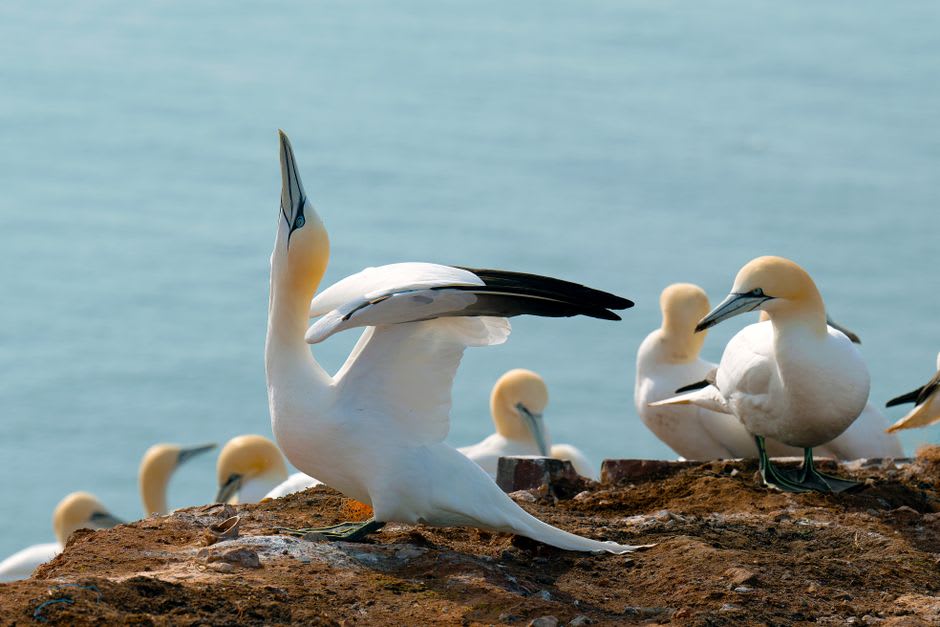
The real reason to linger in Percé more than a day is Île Bonaventure, a short boat ride offshore, home to one of the largest and most accessible northern gannet colonies on the planet — over 100,000 birds packed onto the cliffs at the island’s far side. The boat circles close enough that the noise and smell hit you before you even land, and then a walking trail across the island brings you right up to the colony’s edge, gannets wheeling and diving in a chaos that never seems to resolve into any pattern. I stood at the cliff-edge viewing area for nearly an hour, unable to look away from birds folding their wings and dropping like knives into the water below.
Low Tide, Different Rock
At low tide, depending on the season, you can actually walk out on the exposed sandbar toward the base of Percé Rock itself, close enough to see individual fossil layers in the limestone and to appreciate just how improbably it’s still standing after centuries of Gulf of St. Lawrence storms wearing at its base. A local fisherman told me the rock loses noticeable chunks every decade or so, and that his grandfather’s photos already show a visibly different shape than what stands today.
When to go: Late June through August for calm boat access to Bonaventure Island and the gannet colony at its most active; check tide tables for a chance to walk out toward the rock at low tide.