Osoyoos
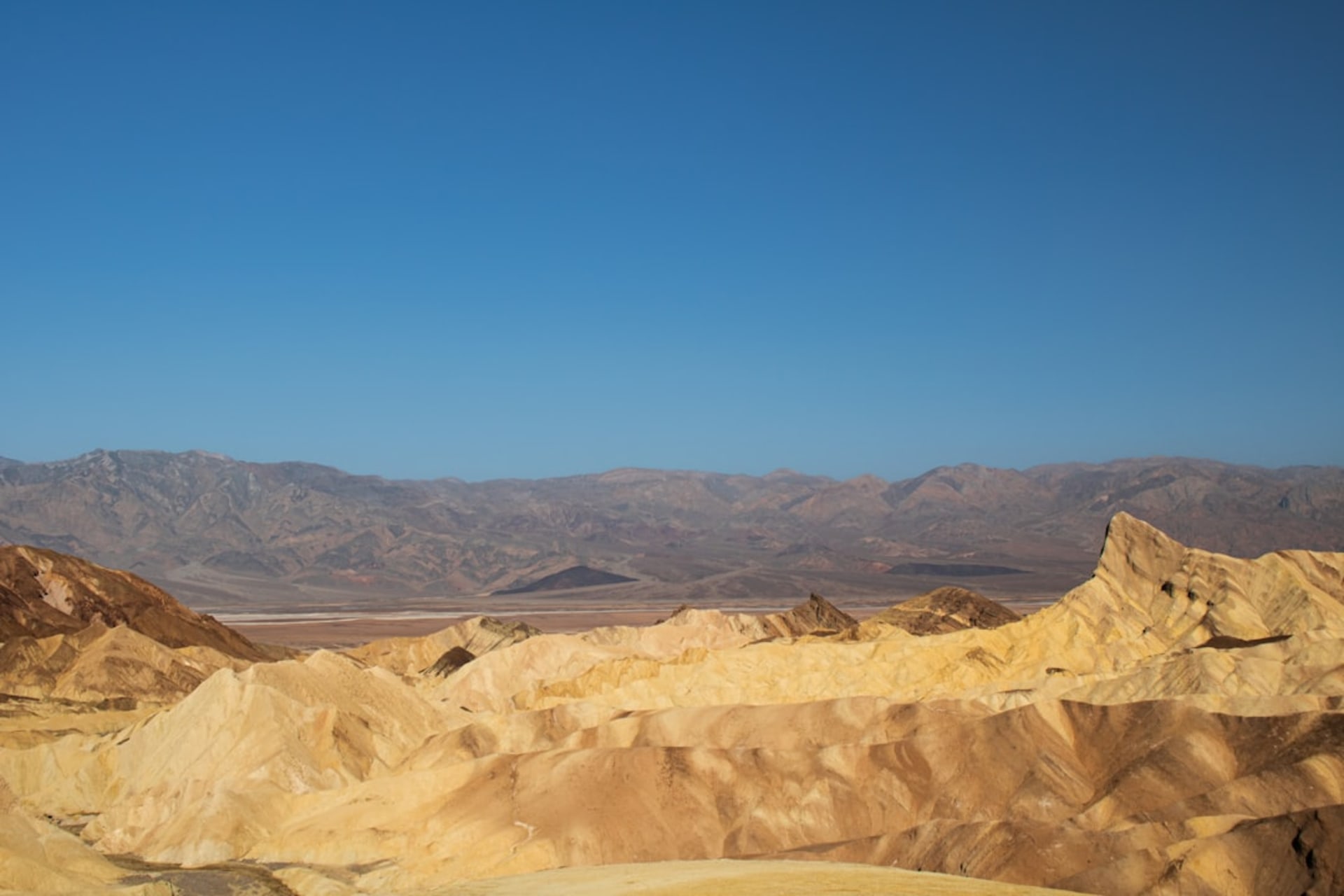
"Nobody tells you Canada has a desert, and then you're standing in sagebrush sweating at nine in the morning."
Canada's only pocket desert, where sagebrush and antelope-brush meet the warmest lake in the country and vineyards climb the surrounding hills.
I did not expect to be sweating in Canada. That was my first, entirely uninteresting thought as I stepped out of the car in Osoyoos in late July, the air dry and ticking with cicadas, the hills around the lake the colour of a lion’s coat rather than the deep green I’d been trained to expect from every other corner of British Columbia. This is the northern tip of the Sonoran Desert, technically — a sliver of true desert climate that somehow slipped across the border and settled into the south Okanagan, and it changes everything about how the place looks and smells. Sagebrush and antelope-brush instead of cedar and fir. Rattlesnakes instead of bears in the local warnings. It felt like a geographic joke that nobody had bothered to explain to me before I arrived.
The Warmest Lake in the Country
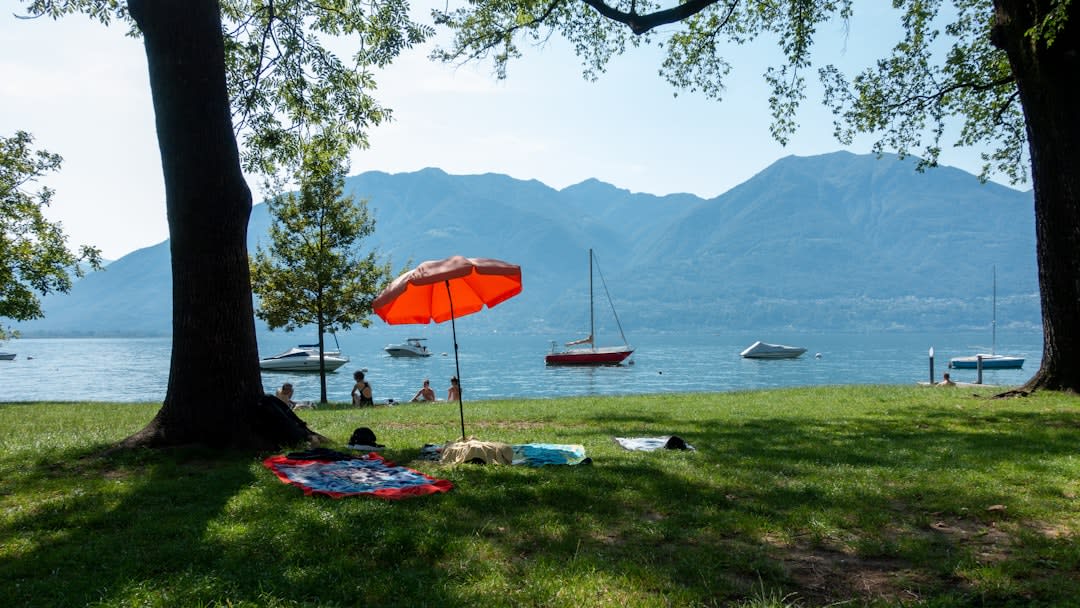
Osoyoos Lake is, by most measurements, the warmest freshwater lake in Canada, and the town leans into this fact with total sincerity — public beaches packed by ten in the morning, the water blood-warm and startlingly turquoise from mineral sediment, families floating on inflatables that had clearly been purchased that same day at the gas station. I swam out past the buoy line just to see how far the warmth extended and it never really stopped. Lia called it “a bathtub with a view of a desert,” which is unfair to how genuinely beautiful the setting is — the lake sits in a narrow valley with dry, tawny hills rising sharply on both sides, vineyards terraced into the lower slopes like the whole scene had been borrowed from somewhere near Barcelona and dropped into Canada without asking permission.
Nk’Mip and the Desert That Almost Wasn’t
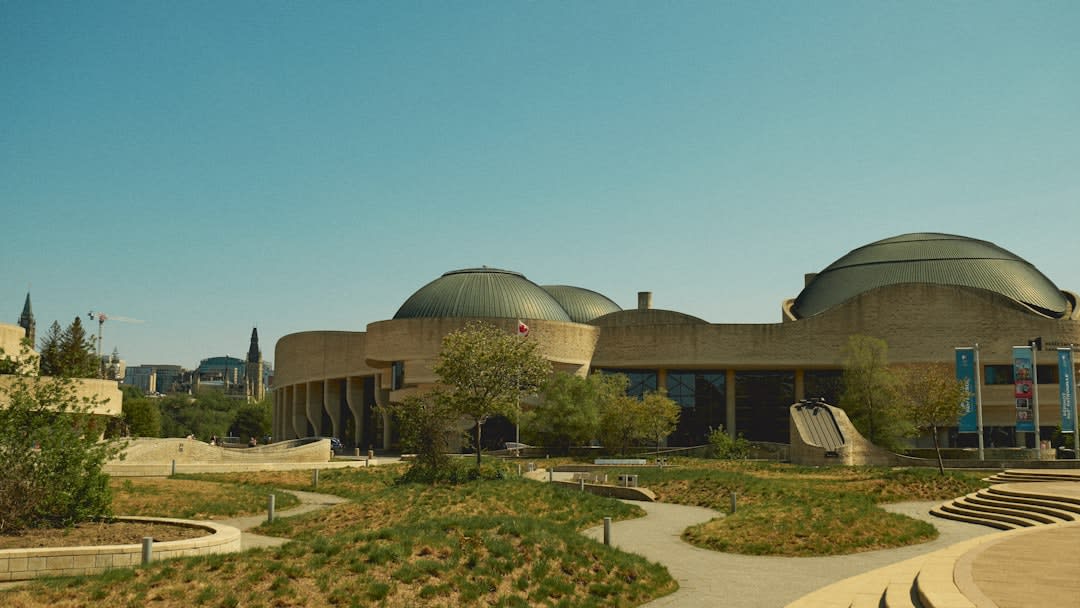
The Nk’Mip Desert Cultural Centre, run by the Osoyoos Indian Band, is the best place to understand what this landscape actually is and how close it came to disappearing under vineyard expansion and development. The antelope-brush ecosystem here is one of the most endangered in Canada, home to species found almost nowhere else in the country, and the centre’s low, rammed-earth building sits directly in it rather than beside it — you walk a short interpretive trail through real sagebrush habitat, lizards skittering off the path, before you’ve even reached the exhibits. A guide there explained the Osoyoos Indian Band’s relationship to this land in terms that had nothing to do with tourism brochures and everything to do with an unbroken, specific knowledge of which plants did what and when. It recalibrated how I looked at the “empty” hills for the rest of the trip.
The wine, predictably, is excellent — this is Canada’s hottest wine region, and the reds in particular (Osoyoos Larose, Nk’Mip Cellars’ own label) have a density and ripeness that surprised me more than the lake temperature did. I’d assumed Canadian wine meant something crisp and cool-climate. Here it means something closer to a Rhône red, grown in soil that used to be desert floor and, in the narrowest technical sense, still is.
When to go: July and August for full desert heat and lake swimming, though it gets properly hot — 35°C is not unusual. September brings harvest, cooler evenings, and the wineries at their most alive.