Okanagan Valley
"Somebody forgot to tell the Okanagan it was supposed to be Canada, and I'm glad they never got the memo."
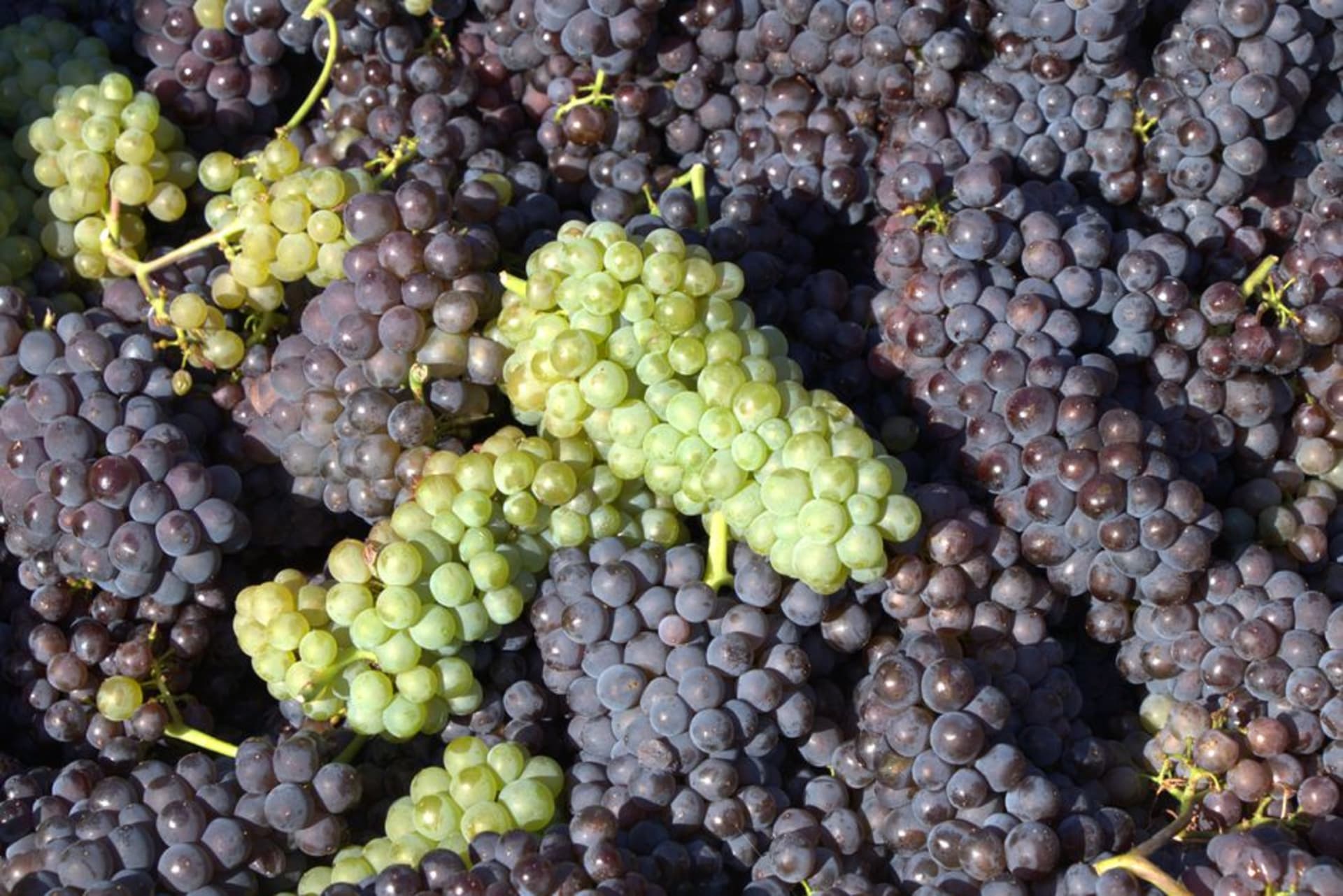
A chain of desert-warm lakes stitched together by orchards and vineyards, where Canada's driest, hottest summers produce its most surprising wine.
I drove the length of the Okanagan Valley over the course of a week, and the thing that stuck with me longest was the smell — a specific combination of hot asphalt, ripening peaches, and dust that followed the highway from Vernon down to Osoyoos, changing character slightly at every town but never entirely disappearing. This is a long, dry, lake-filled trench running north-south through the BC interior, and it produces a version of summer that has almost nothing in common with the rest of the province. No rain for weeks at a stretch. Hillsides gone gold and brown by July. A chain of long, narrow lakes that hold the heat and turn the whole valley into an accidental resort.
The Fruit Stand Circuit
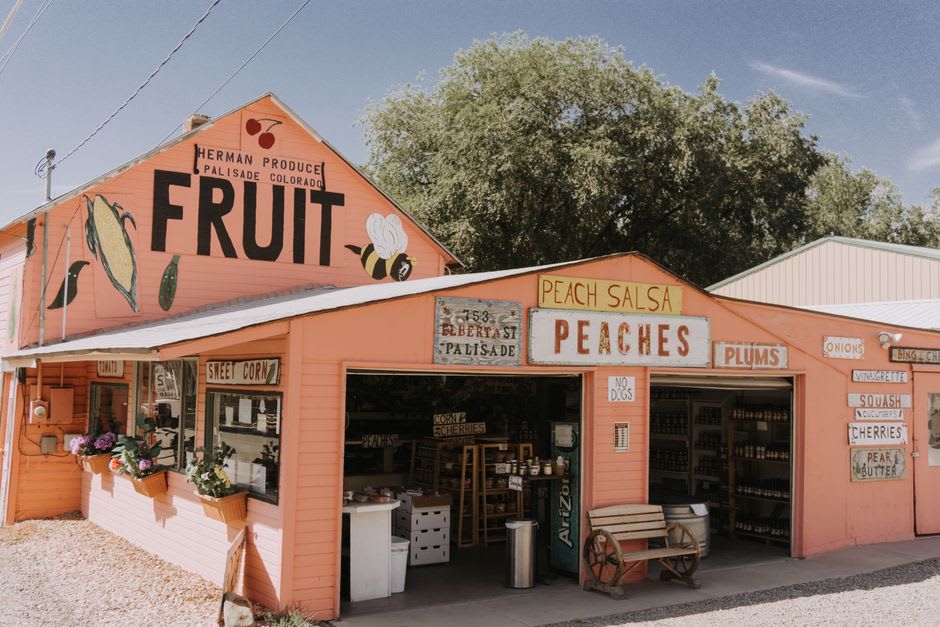
Highway 97 through the valley is lined, mile after mile, with roadside fruit stands selling cherries, apricots, and peaches picked that same morning, often by the growers themselves standing under a tarp awning with a cash box and no particular urgency. I stopped at probably a dozen of these over the week, comparing peaches with an intensity that Lia found faintly ridiculous, until I found one stand near Summerland selling a variety so overripe and dripping it had to be eaten leaning over the truck’s tailgate to avoid ruining a shirt. This is a working agricultural valley first — the wine industry is a relatively recent overlay on decades of orchard farming, and you can still feel that hierarchy in how the land is used.
Naramata Bench and an Unlikely Wine Country
The Naramata Bench, a narrow shelf of land running along the eastern side of Okanagan Lake near Penticton, is where the wine argument gets made most convincingly. Dozens of small wineries sit within a short drive of each other along a single winding road, most of them family-run, few of them pretentious about it. I did a slow afternoon of tastings by bike, which is the correct way to do it and also the way that most efficiently gets you into trouble — the road undulates through vineyard after vineyard with the lake glinting below, and by the fourth winery the distinction between “here for the wine” and “here for the view” had entirely collapsed. The reds — particularly the Bordeaux varietals grown on the valley’s south-facing slopes — have a ripeness that keeps surprising visitors who arrive expecting something thin and cool-climate. This is closer, in style, to a warm-vintage Rhône than to anything from more northerly wine regions.
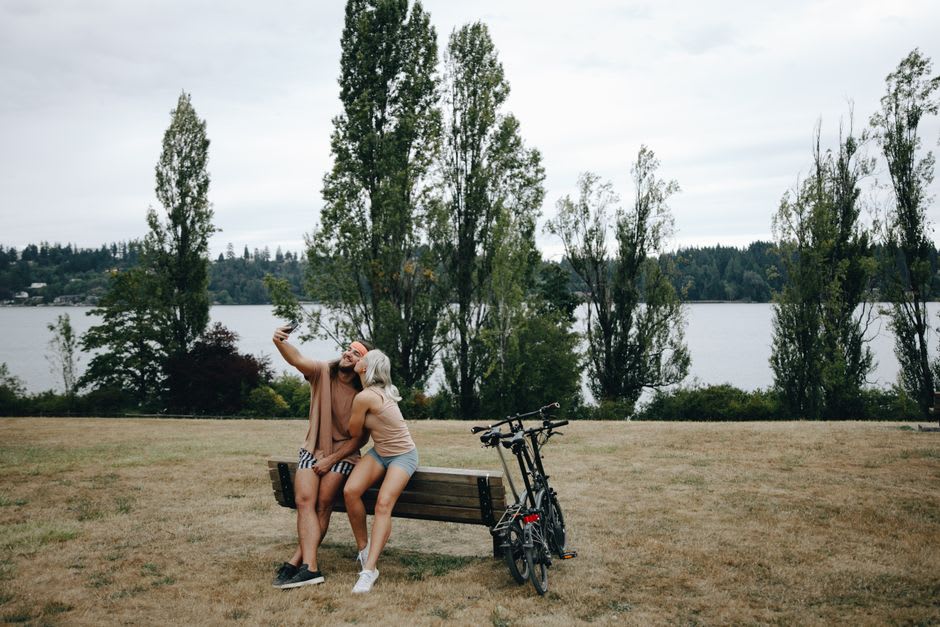
The lakes themselves — Okanagan, Skaha, Kalamalka, each a different improbable shade of blue-green — are what make the heat bearable. Kalamalka in particular, sometimes called Canada’s “Lake of Many Colours,” shifts between turquoise and deep blue depending on the mineral content in different parts of the lakebed, visible even from the highway above.
When to go: Late July through September for peak fruit, wine, and lake swimming, though August can push past 35°C. Late September and October bring harvest season, cooler evenings, and vineyards turning gold along the bench roads.