Nahanni National Park Reserve
"The float plane cut its engine on the river above the falls and for a second all I could hear was water deciding to become a canyon."
A canoe-and-float-plane-only wilderness carved by the South Nahanni River, where Virginia Falls drops twice the height of Niagara through canyons that took millions of years to cut.
There’s no road to Nahanni, no trail network, no way in that doesn’t involve a float plane or a very long canoe trip, and that single fact shapes everything about how the place feels once you’re there. I flew in from Fort Simpson on a de Havilland Otter on floats, banking low over the South Nahanni River’s braided channels before setting down on a calm stretch above Virginia Falls, engine noise dying into an almost physical silence that the roar of the falls immediately filled back in.
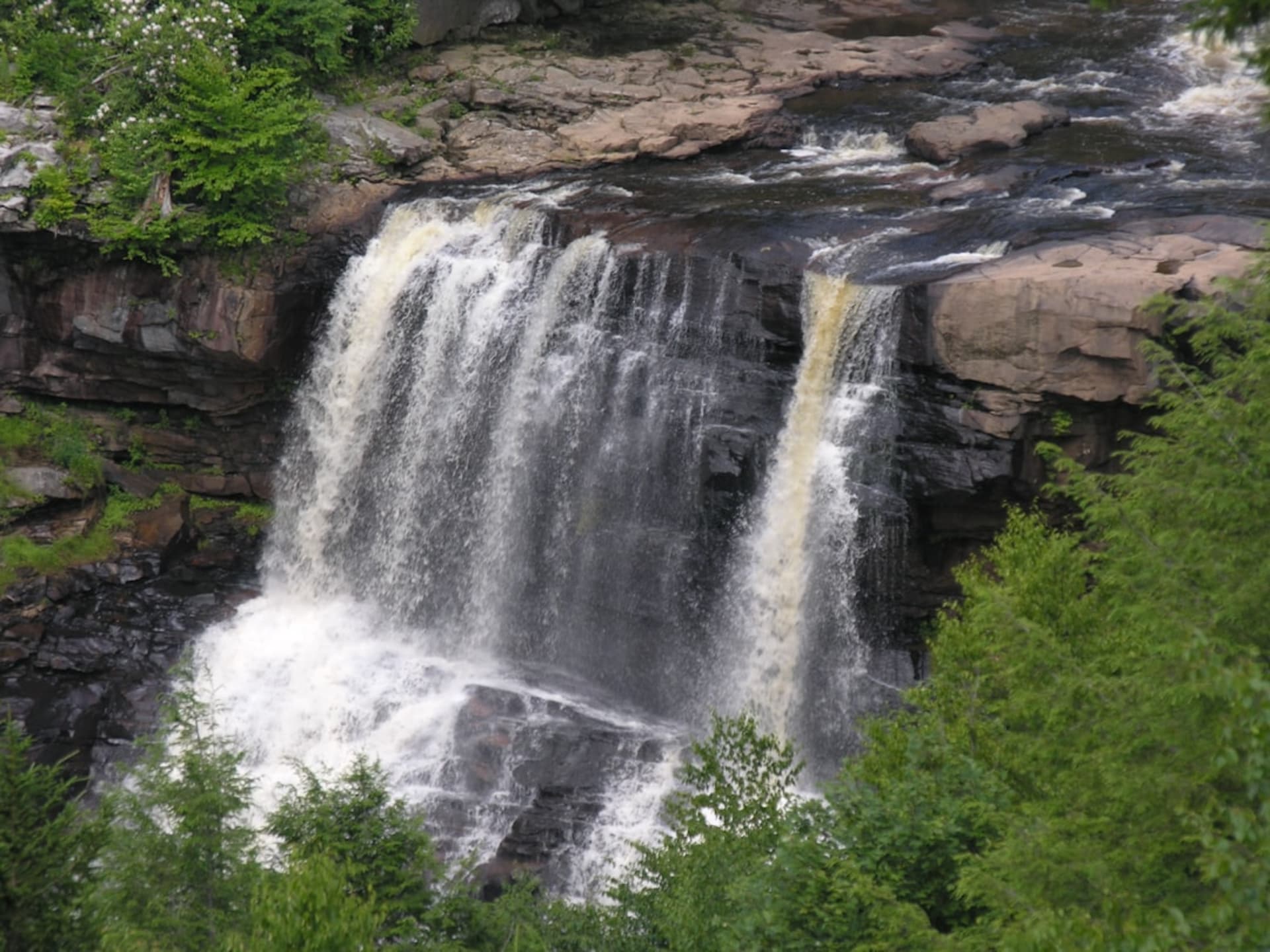
Virginia Falls
Virginia Falls — Náįlįcho in the local Dene language, meaning “big river falling” — drops about 90 meters, roughly twice the height of Niagara, split by a huge rock pillar called Mason’s Rock into two channels that crash back together in permanent mist. I stood at the viewing platform on the portage trail for probably twenty minutes just watching the water commit to the drop over and over, the spray cold enough on a July afternoon to make you zip your jacket. Below the falls the river disappears into Fourth Canyon, one of four massive limestone canyons the Nahanni has carved over millions of years, walls rising more than a thousand meters in places — deep enough that sections of the canyon floor apparently never see direct sunlight.
Canoeing Between Canyons
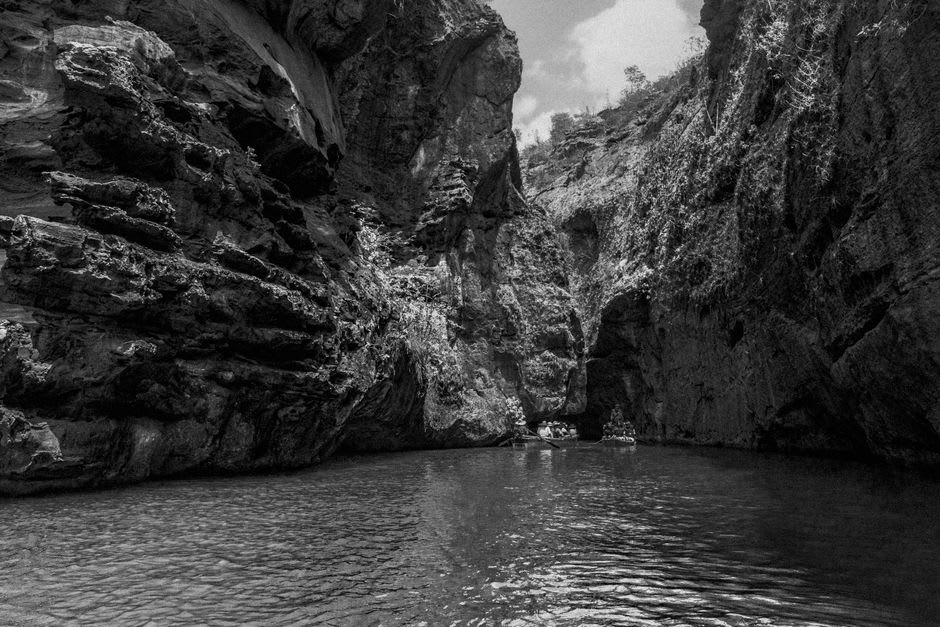
I joined a guided canoe group for four days below the falls, and the river does something few wilderness trips manage: it changes character completely every day. One stretch is flat and glassy between canyon walls so sheer you paddle in permanent afternoon shade; the next is technical whitewater around Rabbitkettle rapids that has the guides suddenly all business, scouting lines from shore before committing. We camped on gravel bars, ate grayling caught an hour earlier, and soaked — genuinely soaked, this isn’t a metaphor — in Kraus Hotsprings, a series of naturally heated pools right at the river’s edge that UNESCO cites as part of why this became Canada’s very first natural World Heritage Site, back in 1978, before Nahanni was even fully surveyed.
Our guide, who’d run this river for over a decade, talked about Dene oral history tied to the canyons — stories of the “Nahʔą Dehé,” the river of the Nahʔa people, and old prospector legends of headless miners that gave nearby peaks names like Deadmen Valley, tales that felt entirely plausible by our third night listening to the canyon walls amplify every sound the water made.
When to go: Late June through early September is the only viable paddling season; book guided trips at least a year out, since permits and outfitter capacity are tightly limited to protect the river.