Moose Jaw
"They'll tell you Al Capone ran booze through these tunnels, and honestly, standing down there, I believed every word."
A small Saskatchewan city built over a genuine network of bootlegging tunnels, with murals on nearly every wall and a mineral spa fed by water pulled from 1,300 metres down.
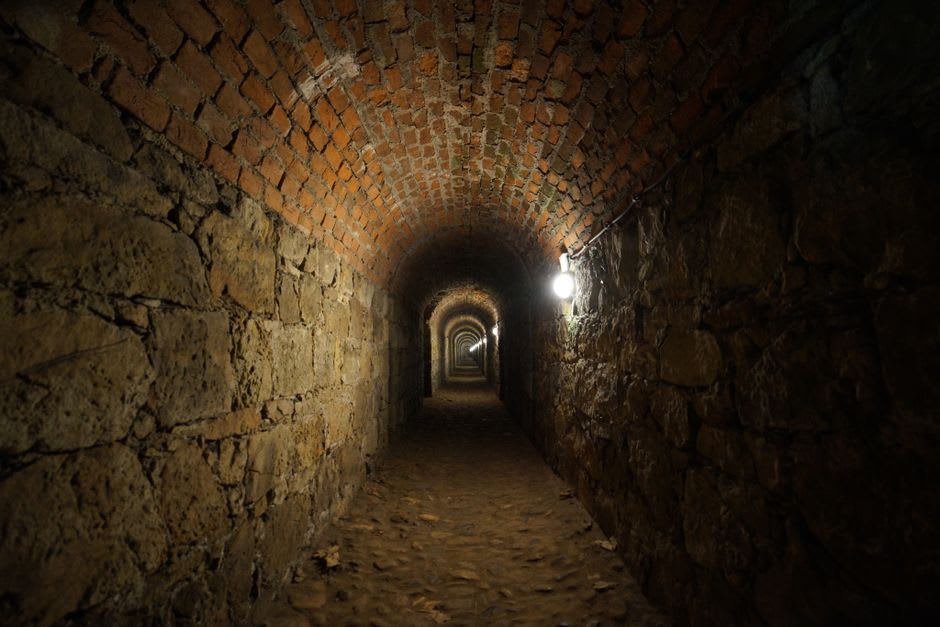
Moose Jaw is a town that leans, unapologetically, into its own legend. I went down into the Tunnels of Moose Jaw expecting a slightly gimmicky tourist trap and came out won over despite myself. During Prohibition, the labyrinth of tunnels beneath downtown — originally dug for steam pipes and later used by Chinese immigrants avoiding the head tax — became a genuine conduit for bootleg liquor running south to a thirsty United States. Local legend insists Al Capone himself passed through more than once, overseeing shipments, and while historians argue about how much of that is provable, the tour leans into it fully, complete with a recreated speakeasy and a guide doing a passable Chicago accent underground.
Whatever the truth of Capone’s visits, the tunnels were absolutely real infrastructure for both immigrant labour and organized crime, and walking the narrow brick passages, low ceilings brushing my shoulders, cool air carrying decades of dust, made the Prohibition era feel closer than any museum plaque could.
A city that paints its own history
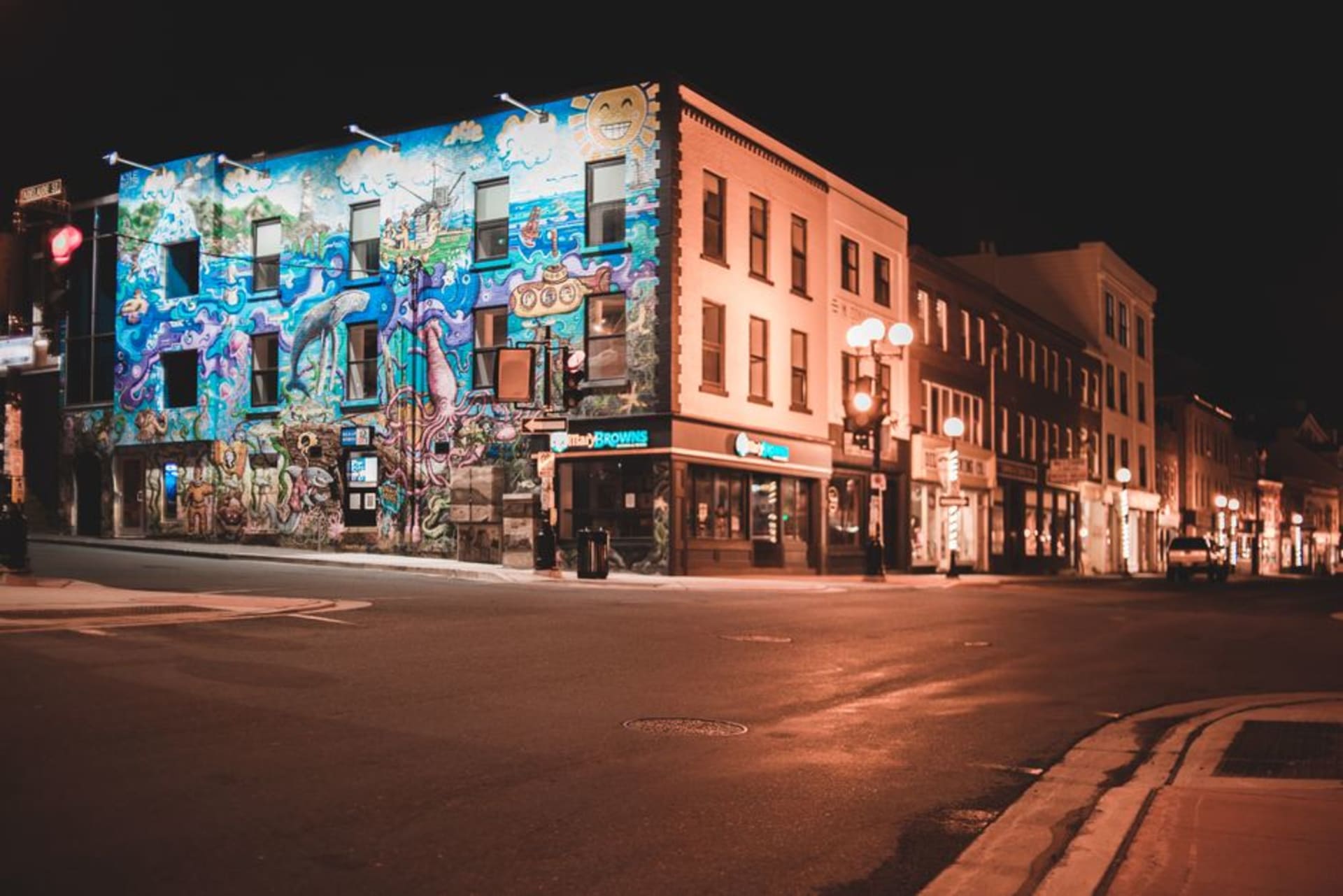
Back above ground, Moose Jaw’s other obsession is murals — more than three dozen scattered across downtown walls, depicting everything from Prohibition-era gangsters to the arrival of the railway to Snowbirds aircraft, since the Canadian Forces’ aerobatic team is based at the local air base. I spent an entire afternoon just wandering block to block with a self-guided map, and the murals had a cumulative effect: by the fifteenth one, I understood Moose Jaw’s whole civic identity better than any brochure would have managed.
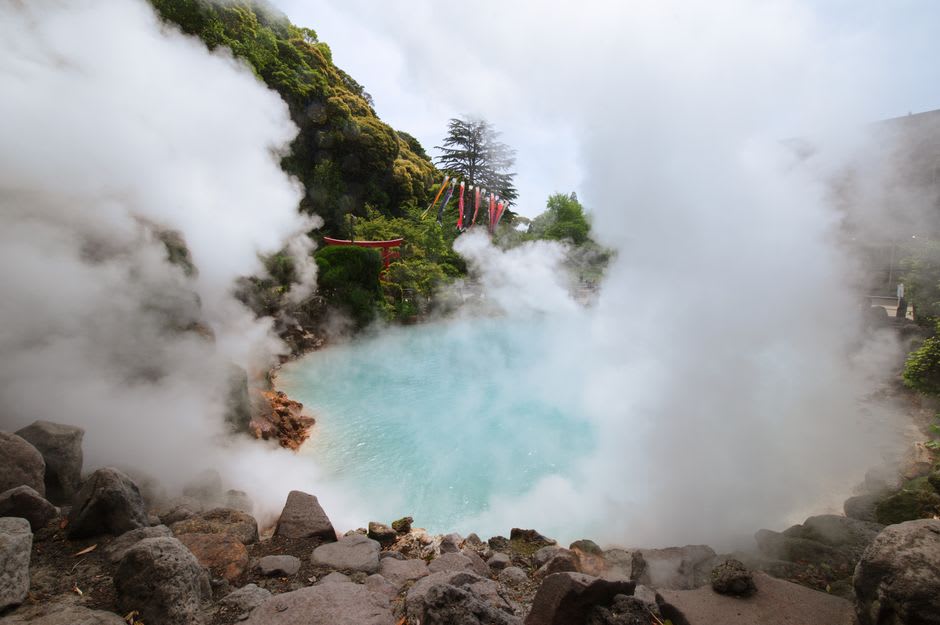
Then there’s the Temple Gardens Mineral Spa, built directly over a natural hot mineral well drilled more than a kilometre down — genuinely one of the odder juxtapositions in the province, soaking in warm mineral water in an indoor-outdoor pool while snow sits on the ground outside in winter. The water carries a faint sulphur note that a local at the pool’s edge assured me “you stop noticing after ten minutes.” She was right.
Legend as civic strategy
What I appreciated most about Moose Jaw is how consciously it has turned its quirkier history into identity, rather than burying it. Between the tunnels, the murals, and a mineral spa built on genuine geology, the city has made a real case that small-town Saskatchewan can be strange and specific in ways the bigger, more polished Canadian cities never bother to be.
When to go: Year-round for the tunnels and spa, both indoor attractions; visit in winter specifically for the spa’s outdoor pool against a snowy backdrop, and in summer for comfortable mural-walking weather.