Mont-Tremblant
"They built a French village from scratch in the Laurentians, and the strange part is how much it works."
A Laurentian ski resort built to look like a French alpine village, which meant I spent half my visit doing the mental math on how close the illusion actually gets to the real thing.
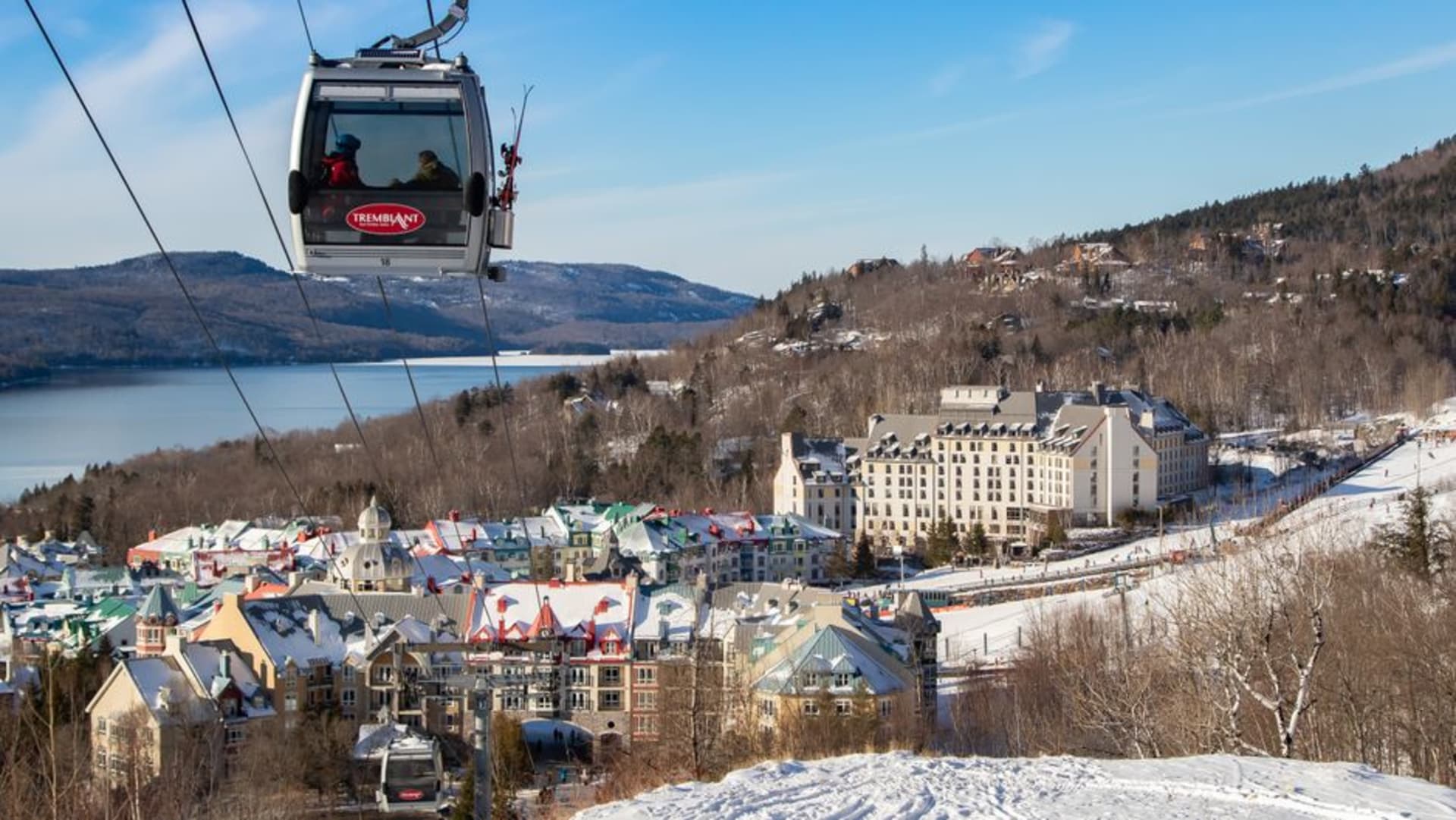
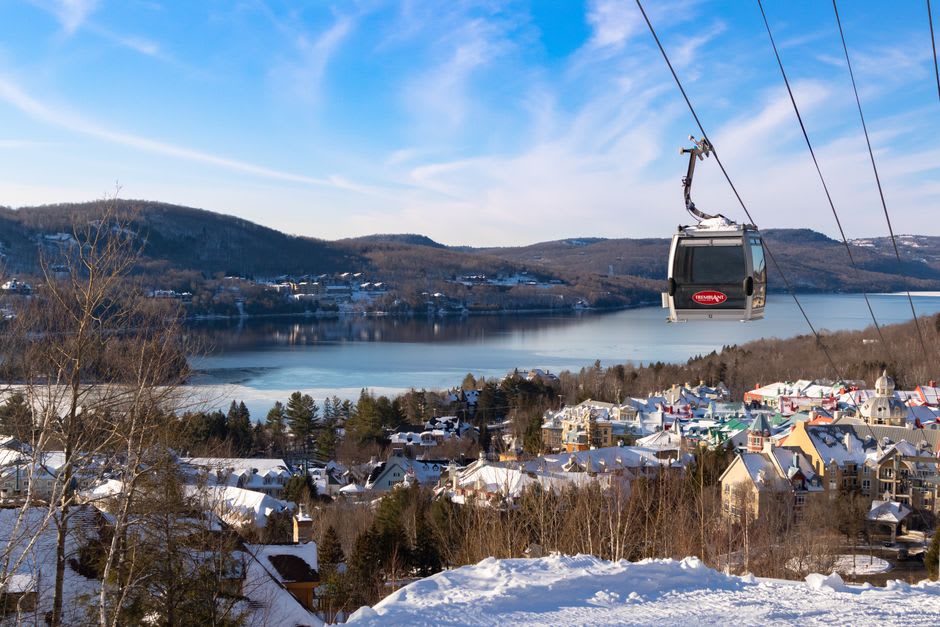
I’ll admit I went to Mont-Tremblant half expecting to be annoyed by it. A pedestrian village of cobblestone lanes, gondolas, and pastel-painted buildings deliberately styled after an old-world alpine town, built in the 1990s at the base of a Laurentian ski hill two hours north of Montréal — it sounded like the kind of themed tourist construction I usually avoid. Instead I found myself genuinely charmed within an hour, sitting on a terrace with a crêpe and a café au lait, watching skiers ride the gondola directly over the main square while a busker played accordion below. It shouldn’t work. It mostly does.
The mountain itself, at 875 metres, is modest by Rockies or even Alps standards, but it’s the highest peak in the Laurentians and the skiing is legitimately good — long runs, a solid vertical drop for eastern Canada, and a village at the base built specifically so you never have to get back in a car between the slopes and dinner. I skied both the north and south sides in a single day and by evening my legs were more tired than they’d been on far bigger mountains, mostly from refusing to stop.
Beyond the resort: the national park
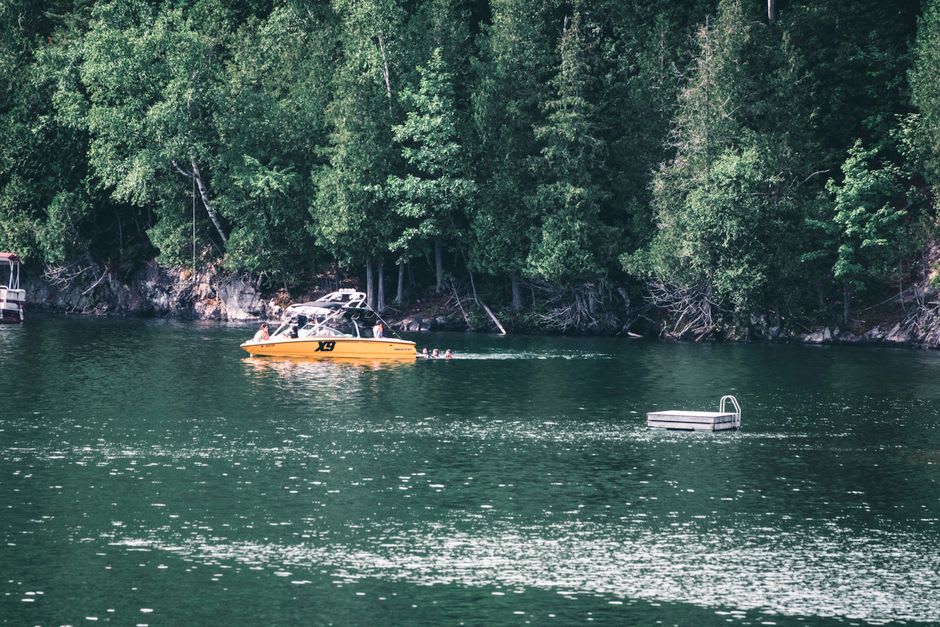
What I hadn’t expected was how quickly you can leave the manufactured charm behind. Parc national du Mont-Tremblant, the actual provincial park, sprawls out east of the resort and is one of the oldest and largest in Québec — a wilderness of over four hundred lakes, moose, and canoe routes that feel a thousand kilometres from the village’s fondue restaurants. I rented a kayak on Lac Monroe one September morning, paddled out into fog that hadn’t yet burned off, and had loons calling across water that gave no hint a ski resort existed anywhere nearby.
The village’s francophone soul is the real thing, not a costume — most staff and locals speak French first, menus lean toward Québécois bistro fare, and the whole atmosphere has more in common with a ski town in Savoie than anywhere else I visited in English Canada.
When to go: December through March for skiing, with February the most reliably snowy. Late September for fall colour in the national park, when the maple ridges around Lac Monroe rival anything further south in Ontario.