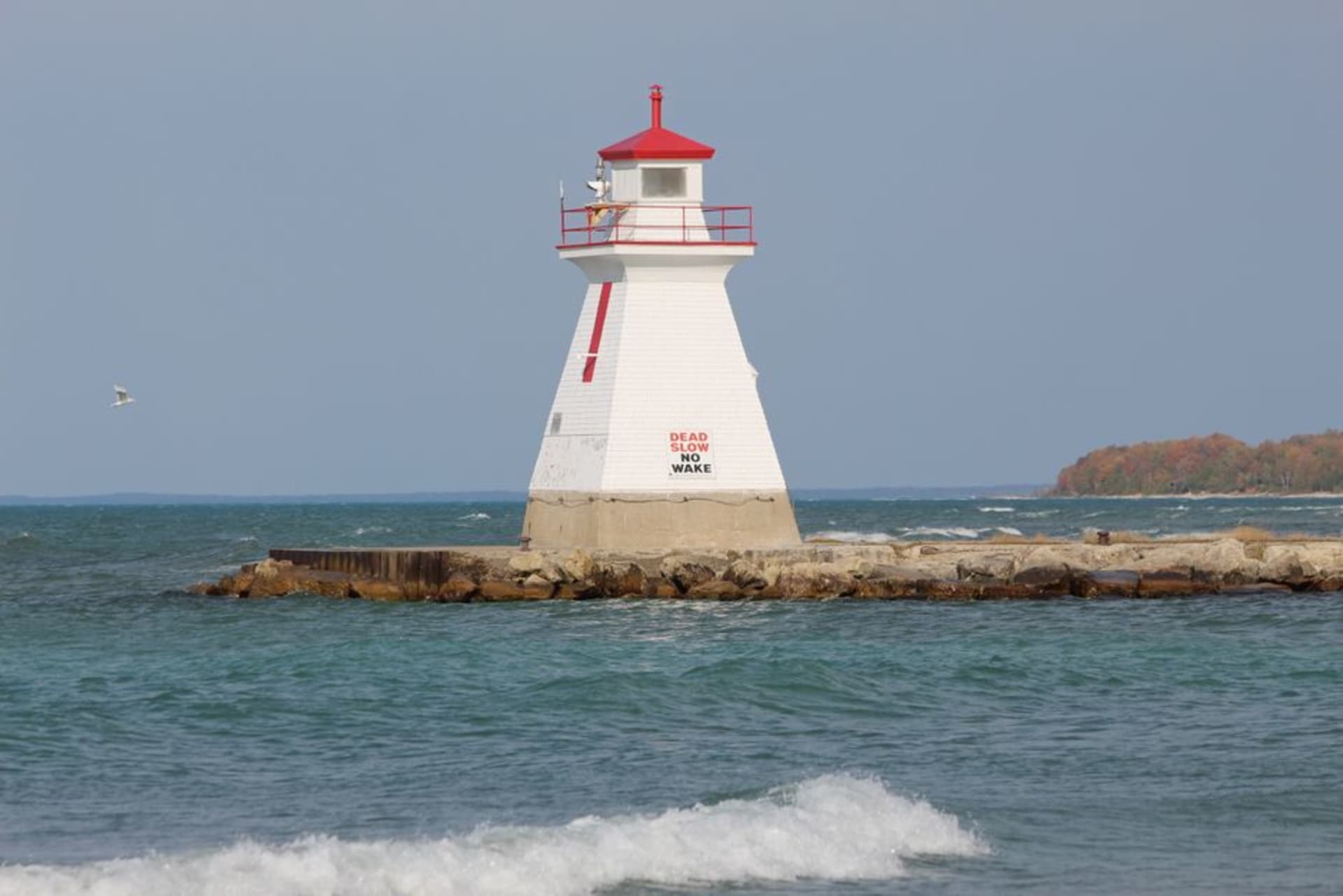
Manitoulin Island
"An island so large it holds its own lakes, which hold their own islands, and I nearly lost an afternoon just staring at the map of it."
The largest freshwater island on Earth, floating in Lake Huron, home to Anishinaabe communities whose Pow Wow drumming carries further than any church bell I've heard in Europe.
The ferry from Tobermory takes about two hours across Georgian Bay, and I spent most of it on deck because the water kept changing colour — steel grey, then a strange jade green as we came into the North Channel. Manitoulin doesn’t announce itself the way a lot of Canadian icons do. There’s no single postcard shot. It’s a low, wooded island roughly the size of Luxembourg, sitting in Lake Huron, and it happens to be the largest freshwater island on the planet, which is one of those facts that sounds like trivia until you’re actually driving across it and the drive keeps not ending.
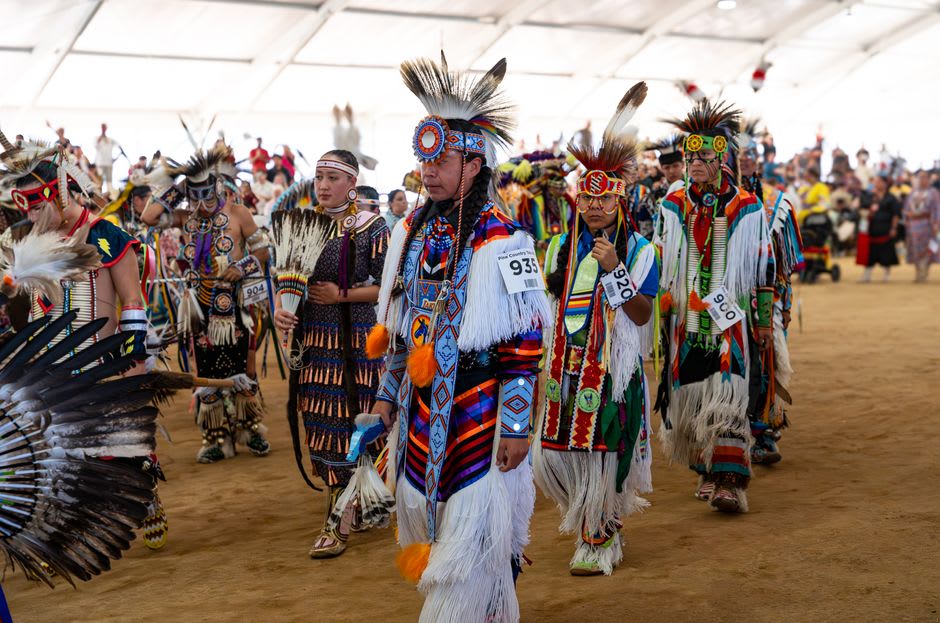
What struck me first was how Indigenous the place feels, not as a museum exhibit but as an ongoing, everyday reality. Six of the eight First Nations communities on the island are Anishinaabe, and Wikwemikong — the only unceded Indigenous territory in Canada, meaning no treaty ever signed it away — sits at the island’s eastern end. I arrived, by pure luck of timing, during the annual Wikwemikong Pow Wow, and stood at the edge of the dance circle for three hours watching regalia I had no proper vocabulary for and drumming that seemed to reset something in my chest. Nobody made a show of welcoming outsiders in a performative way; you simply paid your entry, found a spot, and were absorbed into it.
Bridal Veil Falls and the Circle Trail
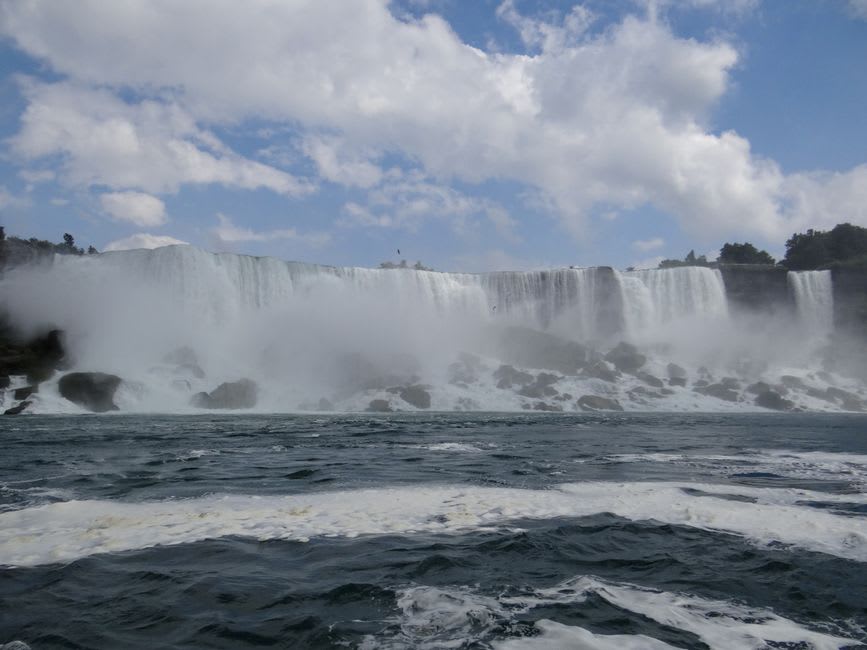
Bridal Veil Falls, near Kagawong, is the other stop everyone mentions, and it earns it — a modest, curtain-like cascade you can actually walk behind, cold spray hitting your face on a warm July afternoon, kids from the campground next door doing exactly what I wanted to do, which was jump in below it. I went out afterward with a guide from the Great Spirit Circle Trail, an Indigenous-owned tourism outfit that runs canoe trips and storytelling walks across the island, and he pointed out plants his grandmother used for medicine along a trail I would have walked past blind. It reframed the whole island for me — less a lake-country retreat, more a place with a continuous fifteen-thousand-year-old relationship to this land that tourism has barely scratched.
When to go: Early August for the Wikwemikong Pow Wow, one of the largest in Ontario. June through September for the ferry crossing and swimming; the island effectively closes down in deep winter when the ferry stops running.