Magdalen Islands
"I flew five hours from Montreal to find red cliffs, painted houses, and almost nobody else."
A wind-scoured archipelago of red sandstone cliffs and Acadian villages, adrift in the Gulf of St. Lawrence, farther from Quebec City than most people are willing to travel.
Getting to the Îles de la Madeleine is its own small pilgrimage — a puddle-jumper flight from Montreal or Quebec City, or a five-hour ferry crossing from Prince Edward Island that leaves you salt-streaked and slightly seasick. I chose the ferry, mostly out of stubbornness, and the reward was watching the islands rise out of the Gulf of St. Lawrence like something invented: a thin arc of red cliffs and green dunes, no bridges connecting anything, just sandbars stitching one island to the next. My first afternoon I stood on a beach near Cap-aux-Meules and realized I hadn’t heard a car horn, a siren, or another language besides French and English fishermen’s radio chatter in hours. The wind never stops here. It bends the grass sideways and makes every conversation on the beach a shouting match.
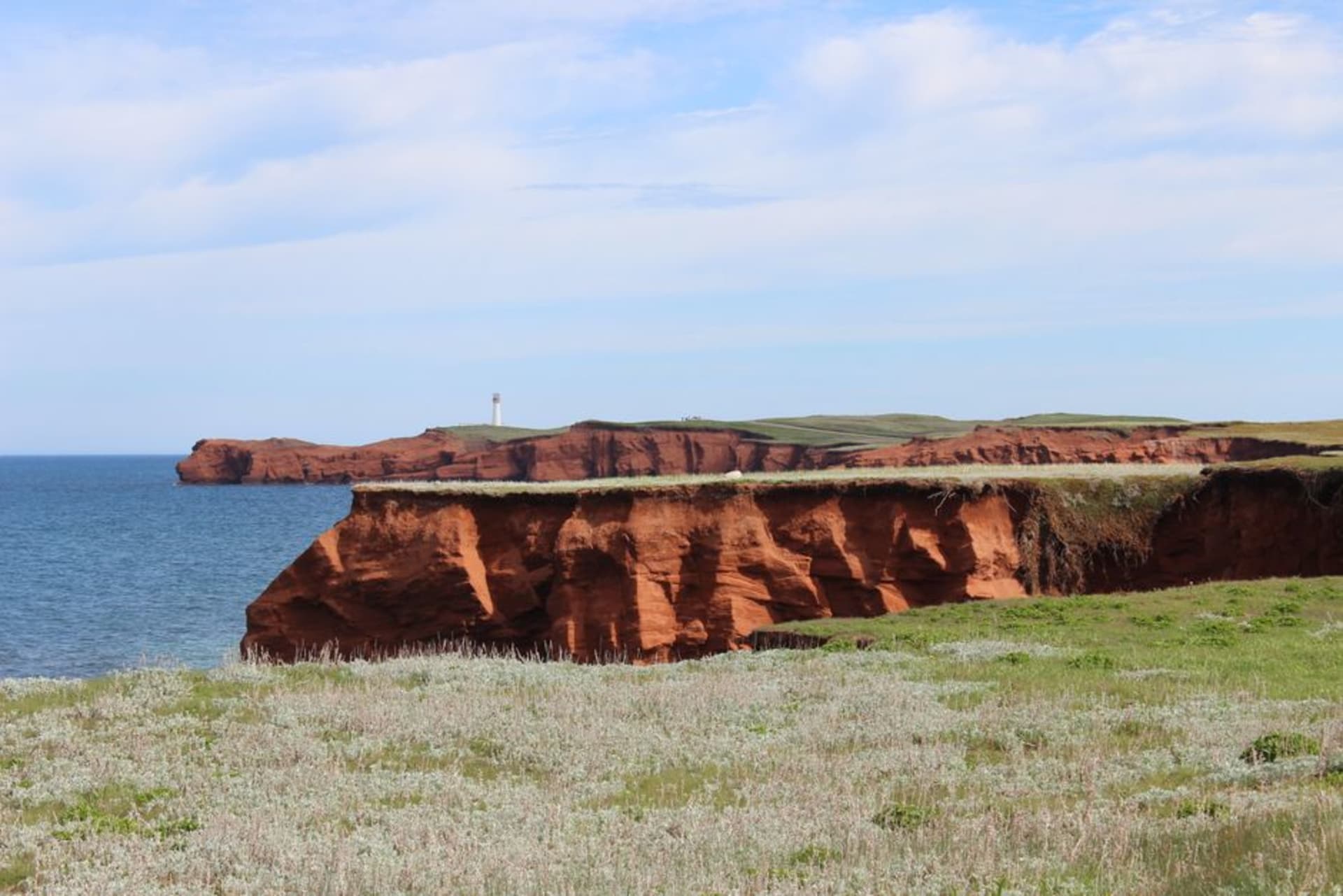
The red sandstone cliffs are the signature image, and they earn it — a rust-orange so saturated against the grey-green gulf that it looks retouched. Erosion is aggressive; whole chunks of cliff calve into the sea most winters, and the locals talk about it the way people elsewhere talk about the weather, matter-of-fact and a little fatalistic. I hiked out to Belle-Anse at golden hour and had the entire cliff line to myself except for a couple filming their engagement photos, which felt exactly right for a place this photogenic and this empty.
Acadian Roots and Lobster Traps
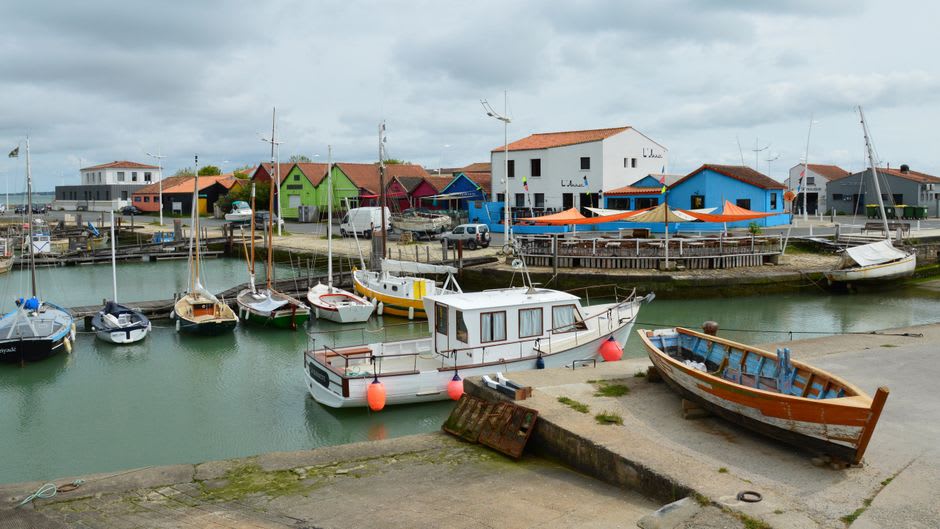
The Madelinots are mostly descendants of Acadian settlers who fled the Grand Dérangement in the 1750s, and that heritage is everywhere — in the flag with its yellow star, in the accordion music spilling out of harbor bars, in surnames repeated on every mailbox in a village. La Grave, the old harbor quarter on Havre-Aubert, is the historic heart of it: a row of weathered fishing shacks converted into artisan shops and a smokehouse, sitting right on a pebble beach where lobster boats still unload. I ate lobster there that had been in a trap that same morning, cracked open at a picnic table with butter running down my wrist, and it ruined lobster rolls back in Montreal for me permanently. Lobster season here is short and fierce — six or seven weeks in spring — and the whole archipelago organizes itself around it.
The Wind Never Lies
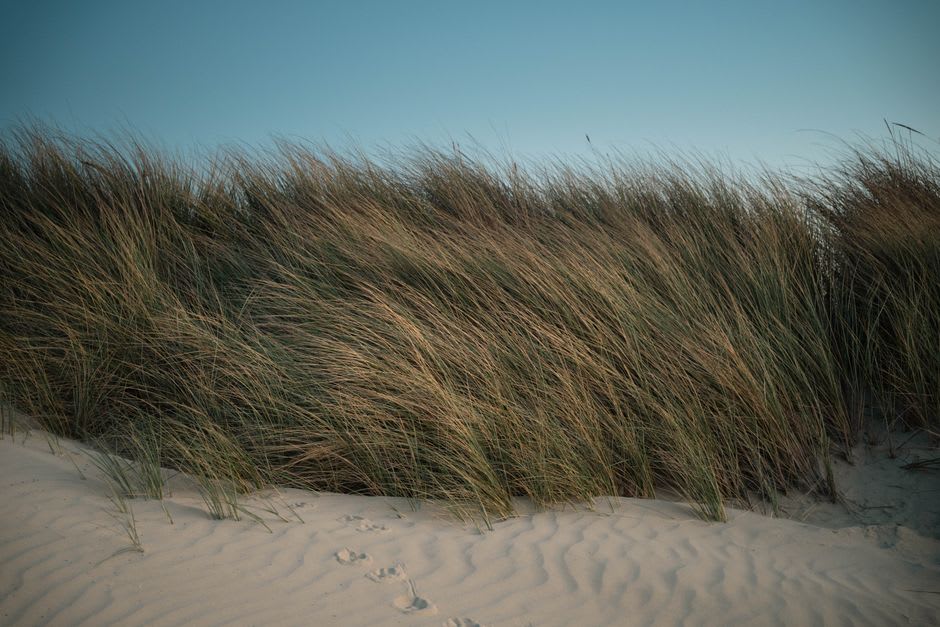
What I didn’t expect was how much the wind defines everything else — kitesurfers ripping across the lagoons at Dune-du-Sud, houses painted in impossibly bright reds and blues (locals say it’s so boats can find home in fog, which may or may not be folklore), and a silence that isn’t really silence, just the constant hush of gulf air moving over dune grass. It’s the kind of place that resists a checklist itinerary. You drive the one main road, you stop wherever a cliff looks unreasonable, and you let the wind set the pace.
When to go: Late June through September for warm-enough water and open restaurants; early September brings fewer visitors and the best cliff light, though the ferry schedule thins out fast once the season ends.