Lethbridge
"Lethbridge hides a canyon and a Japanese garden inside a city most people only know from the highway sign."
A southern Alberta prairie city split by deep coulees and one improbably long railway bridge, home to the largest Japanese garden on the continent's northern plains.
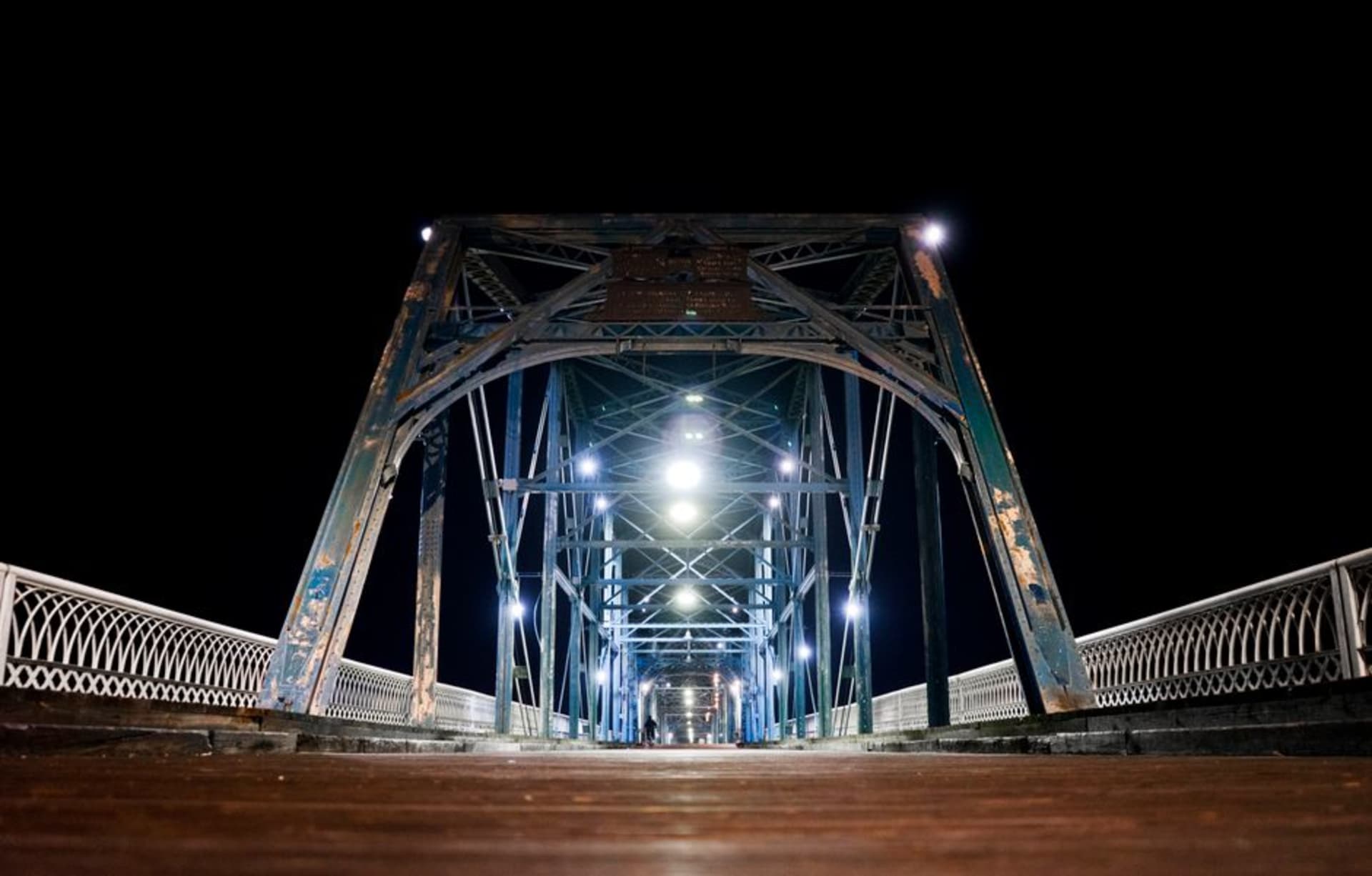
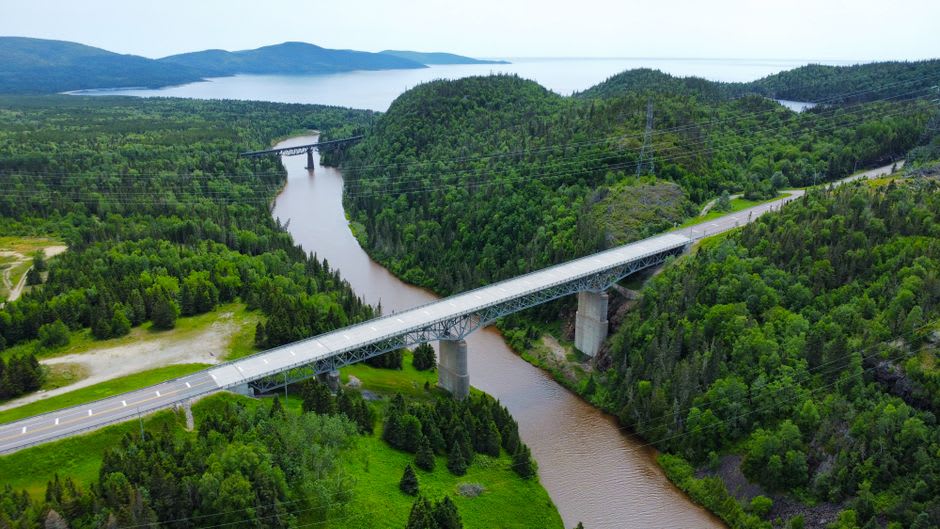
I stopped in Lethbridge on the drive between Calgary and the Montana border mostly because the map showed a bridge that looked, at that scale, absurdly long for a prairie town. It undersold it. The High Level Bridge crosses the Oldman River valley on steel trestle nearly a kilometre and a half long and almost a hundred metres above the water, built in 1909 to keep the railway running through southern Alberta’s coal country, and it is still, remarkably, in active freight use. Standing beneath it in the coulee, craning up at a structure that size against flat prairie sky on every side, is not what I expected from a city I’d mostly heard mentioned in passing.
Those coulees are the thing that actually defines Lethbridge geographically — deep, dry ravines carved by the Oldman River and its tributaries over thousands of years, cutting the otherwise flat prairie into a network of hidden valleys that the city has built parks and trail systems into rather than around. Walking down into one from street level, the wind drops immediately and the temperature shifts, a small, self-contained landscape hiding just below the level of ordinary traffic.
Nikka Yuko Japanese Garden
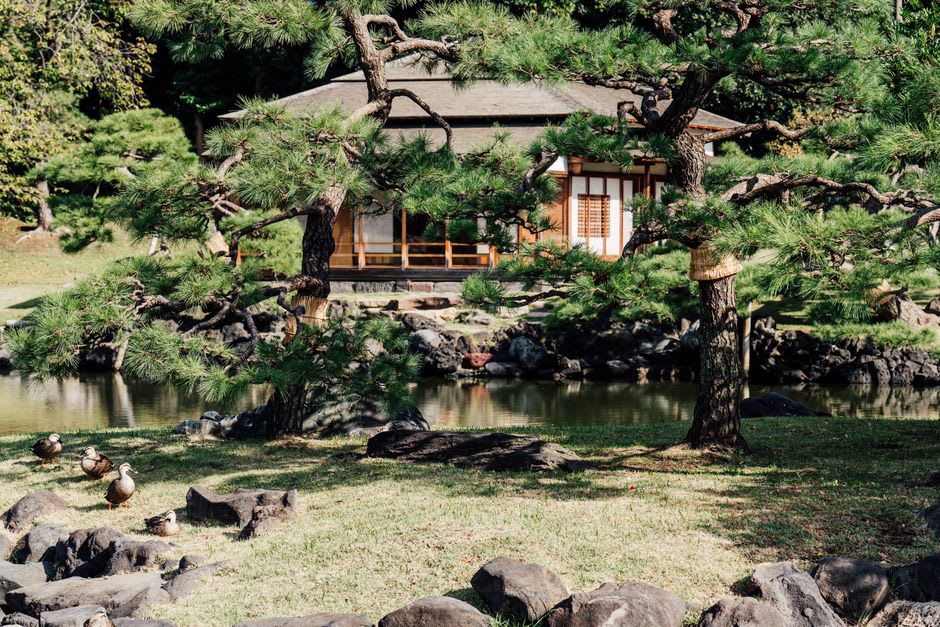
The Nikka Yuko Japanese Garden was the actual reason I extended my stay by a night. It opened in 1967 as a Canadian centennial gift from Lethbridge’s Japanese-Canadian community, a group with deep and difficult roots in the area — many families settled here after being forcibly relocated from the British Columbia coast during the Second World War internment, and the garden was conceived partly as a reconciliation gesture, built with Japanese landscape architects flown in for the purpose. Walking its paths past the koi pond and the pavilion modeled on traditional Japanese design, with prairie grassland visible just beyond the garden walls, the contrast is startling in a way that feels intentional rather than accidental.
A volunteer guide there, herself a descendant of one of the original interned families, spent twenty unhurried minutes explaining the garden’s five distinct styles — the still pond, the dry rock garden, the streamside path — and the history behind why this particular city, of all the ones on the prairie, holds the largest Japanese garden of its kind in Canada. It’s not a footnote you’d find without stopping, and it recontextualized the entire visit.
When to go: June through September for the garden’s full bloom and coulee trails free of snow. Early autumn brings good light for photographing the High Level Bridge against turning cottonwoods in the valley below.