Lake Louise
"Everyone comes for the water. Almost nobody sticks around long enough to notice the village has its own story."
A village of one hotel and one lake, but what a lake and what a hotel — the Chateau's grand corridors, canoes on impossible turquoise water, and a hike to a tea house that's been serving the same view for over a century.
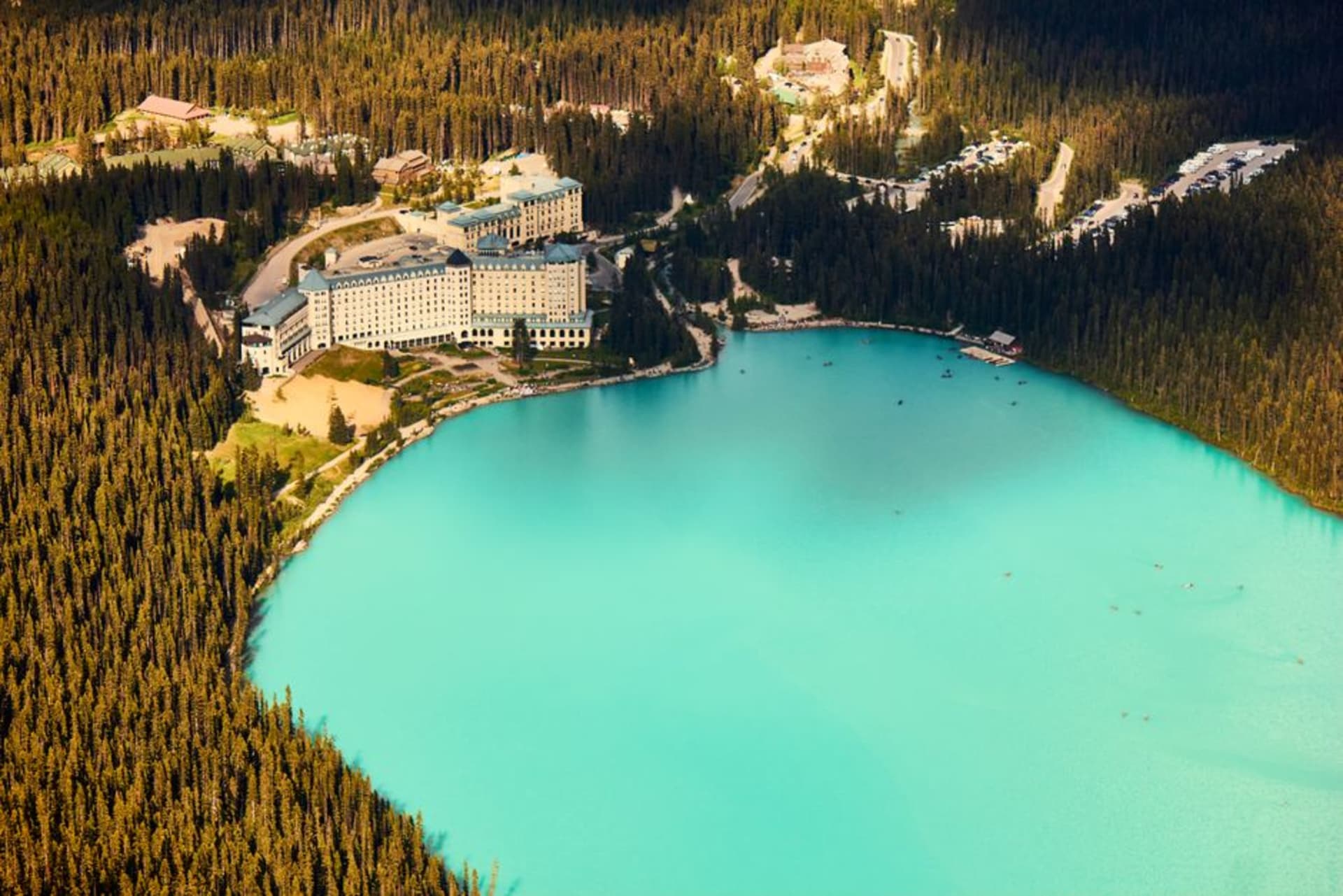
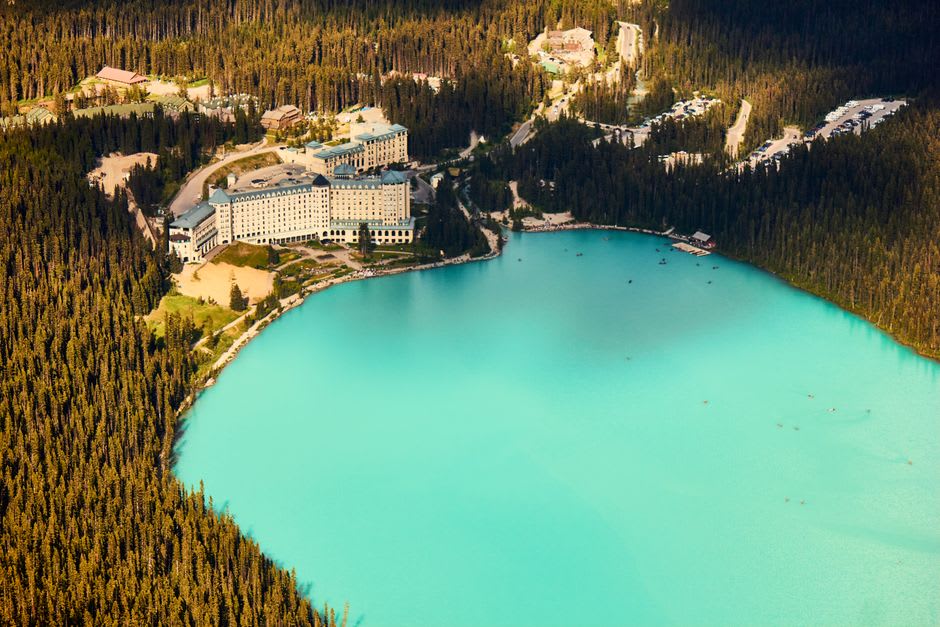
I’d already seen Lake Louise once, from the shoreline, the way most people do — arrive early, take the photo, move on toward Moraine Lake or the Icefields Parkway. It took a second trip, one where I actually booked a night at the Chateau instead of just parking in the day-use lot, to understand that Lake Louise the village is its own thing entirely, distinct from the postcard everyone already has in their head. The lake is the reason the place exists, but the reason to linger is everything built around it since 1890.
The Fairmont Chateau Lake Louise started as a small log cabin the Canadian Pacific Railway built to lure passengers off their trains and onto the surrounding trails — the railway company understood, correctly, that Rocky Mountain scenery sold tickets. It burned twice and was rebuilt bigger each time, and the current stone-and-timber hotel, all eight storeys of it, now sits at the lake’s edge like it grew there. Walking its long ground-floor corridor at dawn, before the day-trippers arrive, with the lake just visible through the windows and going from black to that famous turquoise as the sun clears the ridge, is a genuinely different experience than the crowded shoreline photo everyone else takes.
The hike to the Lake Agnes Tea House
The thing I’d actually recommend, more than the hotel or the lakeshore stroll, is the hike up to the Lake Agnes Tea House. It’s a steady climb of about four hundred metres over three and a half kilometres, switchbacking up through subalpine forest until the trees open onto a small glacial lake tucked into a hanging valley above Lake Louise itself. The tea house has been there since 1901, built originally for hikers exactly like the ones climbing past it today, and it still has no road access — everything served there, the tea, the scones, the thick soups, arrives on foot or by helicopter drop. I ordered a pot of tea and sat on the deck for the better part of an hour, watching hikers arrive in stages of exhaustion and delight, a golden-mantled ground squirrel working the deck railing for crumbs with total confidence.
Down at lake level, the canoe rental dock does brisk business all summer, and I understand why once you’re actually on the water — paddling out from shore, the colour intensifies rather than fades, the glacial silt suspended in the water scattering light in a way that no photograph quite captures. Renting a canoe for an hour costs a small fortune by Canadian standards, and I’d do it again without hesitation.
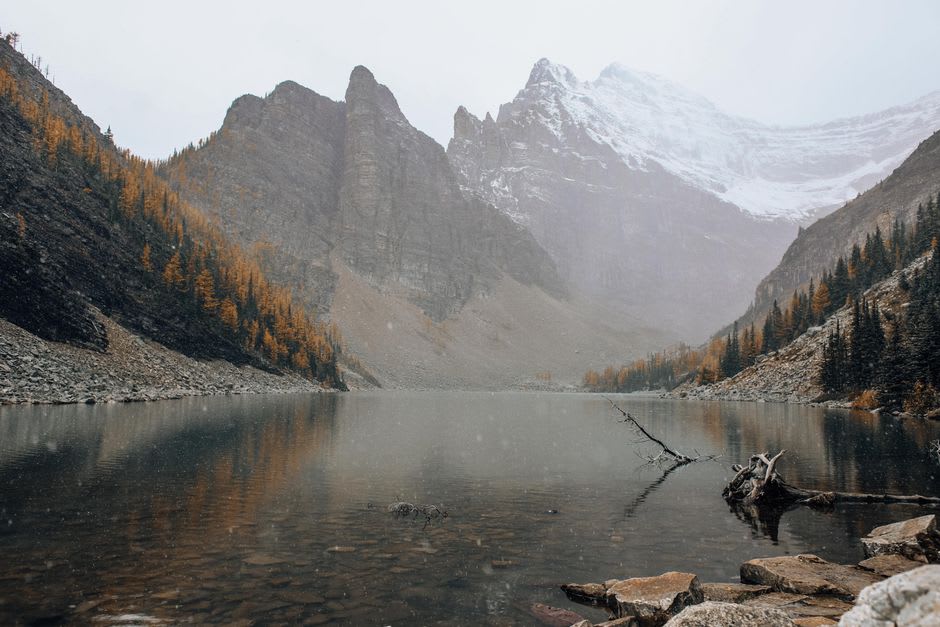
When to go: July and August for the clearest water and the Tea House’s full season. Late September brings the golden larches on the higher trails and noticeably thinner crowds, though the canoe dock usually closes by early October.