Lac Saint-Jean
"A lake so big it has actual beaches, ringed by more blueberry fields than I thought one region could need."
A vast inland sea ringed by farmland and blueberry fields, home to a flooded ghost town and a pie so central to local identity it has its own festival.
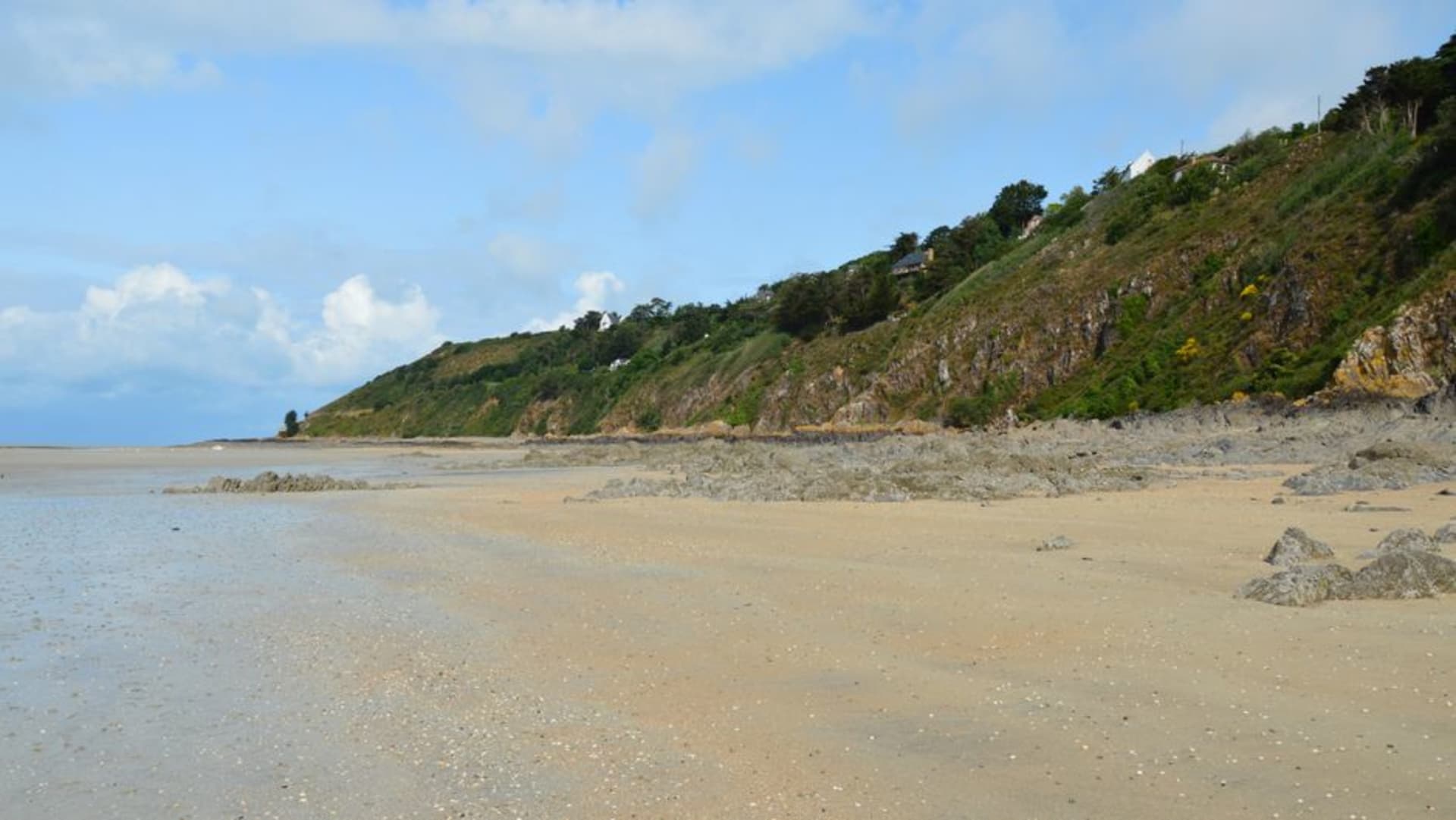
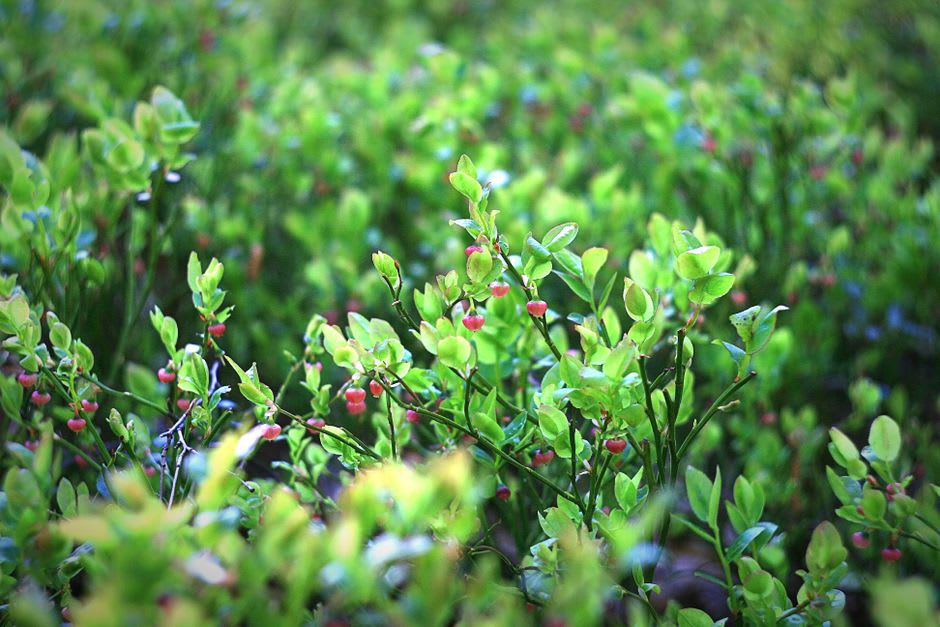
I didn’t expect a lake in inland Quebec to have proper sand beaches, but Lac Saint-Jean is enormous — more than 1,000 square kilometers, fed by rivers draining a huge chunk of the Laurentian highlands — and its southern shore near Roberval and Saint-Gédéon has stretches of pale sand that would not look out of place on a coastline. Locals call the whole region “le pays des bleuets” — blueberry country — and driving in from Chicoutimi through the Saguenay you notice the shift almost immediately: forest gives way to a wide, surprisingly fertile agricultural basin, flat fields alternating with the low, ground-hugging bushes that produce most of Quebec’s wild blueberry crop. I arrived in early August, blueberry season, and every roadside stand for fifty kilometers was selling pints, jam, wine, even blueberry beer, with a regional pride that borders on the ecclesiastical.
The lake itself has a strange, brooding beauty — big enough that you lose the opposite shore in haze on humid days, dark water that turns choppy fast when wind comes off the surrounding hills. Fishermen here talk about the ouananiche, a landlocked salmon unique to a handful of Quebec lakes, with the same reverence Atlantic fishermen reserve for wild salmon runs.
Val-Jalbert, the Ghost Town
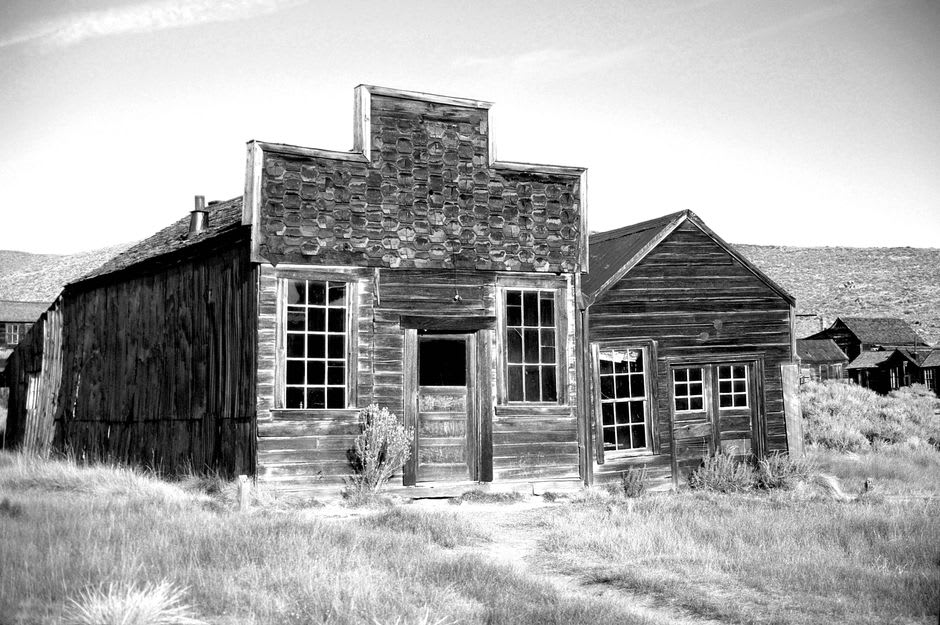
The single strangest stop in the region is Val-Jalbert, a pulp-mill company town built around 1901 and abandoned almost overnight in 1927 when the mill closed. Unlike most industrial ghost towns, it wasn’t demolished — it was left standing, and decades later turned into a heritage site where you can walk into the general store, the school, the workers’ houses, furniture and shop displays arranged as if everyone just stepped out. A cable car climbs beside the adjacent waterfall, taller than Niagara, that once powered the mill’s turbines, and standing at the top looking down over both the falls and the empty streets of the town below is one of the more quietly unsettling views I’ve had in Quebec.
Tourtière and the Blueberry Pie Wars
The regional food culture centers on two things: tourtière, a meat pie made here with a distinctive layered style using cubed rather than ground meat, and blueberry pie, or tarte aux bleuets, which every diner, bakery, and grandmother in the region insists is made better locally than anywhere else in Quebec. I ate three different versions in four days out of pure diplomatic curiosity and can report the rivalry is entirely justified — each one was better than the last.
When to go: Late July through August for blueberry season and warm-enough lake swimming; early autumn for Val-Jalbert without the summer crowds and for the surrounding hills turning color.