Kluane National Park and Reserve
"The pilot banked the little plane and just said 'that's Logan,' like it was a normal thing to point at a mountain that big."
Home to Canada's highest peak and the largest non-polar icefields on Earth, a UNESCO wilderness shared with Alaska where grizzlies far outnumber trails.
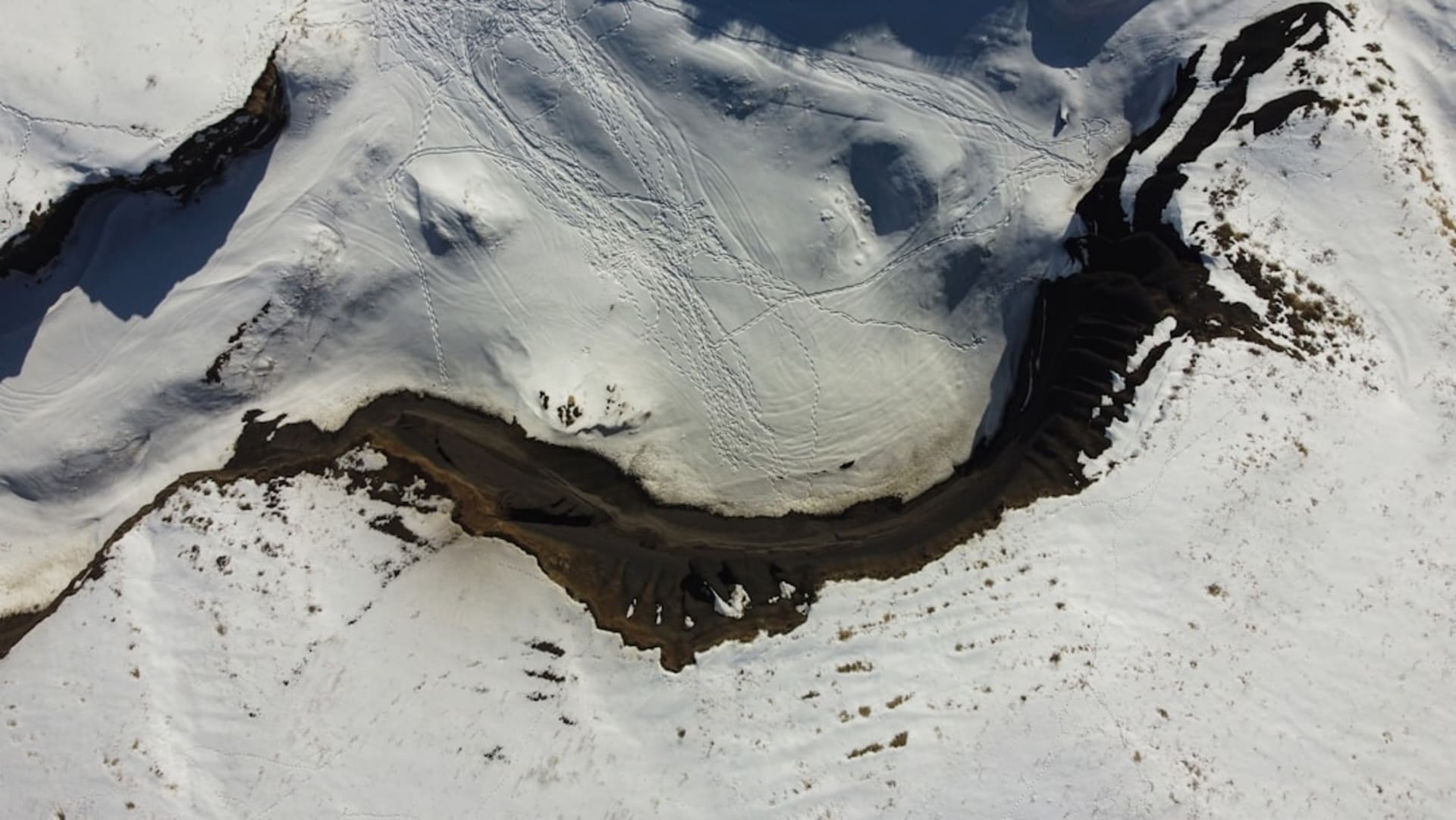
I saw the scale of Kluane before I felt it, from a small flightseeing plane out of Haines Junction, and it still didn’t fully register until we banked around a ridge and the Kluane Icefield opened up beneath us — a white expanse running to the horizon, broken only by the black spines of nunataks, mountain peaks poking through ice thick enough to bury a skyscraper. Somewhere out in that expanse is Mount Logan, at just under 6,000 meters Canada’s highest peak and, by base-to-summit bulk, one of the largest freestanding mountains on the planet. You don’t climb Logan casually — expeditions take weeks and most of the mountain is a massif so enormous it generates its own weather.
An Icefield Bigger Than Some Countries
What’s easy to miss from ground level is that over 80% of Kluane’s roughly 22,000 square kilometers is ice and rock — icefields, not forest, which makes it one of the largest non-polar ice masses on Earth, shared across the border with Alaska’s Wrangell-St. Elias and Glacier Bay parks in a single UNESCO World Heritage designation that together forms one of the largest protected wilderness areas in the world. Only a thin green fringe along the Alaska Highway and around Kathleen Lake is actually accessible on foot; the rest is a genuinely trackless glacial interior that most visitors, myself included, only ever see from the air or from a handful of trailheads at its edge.
Grizzly Country, On the Ground
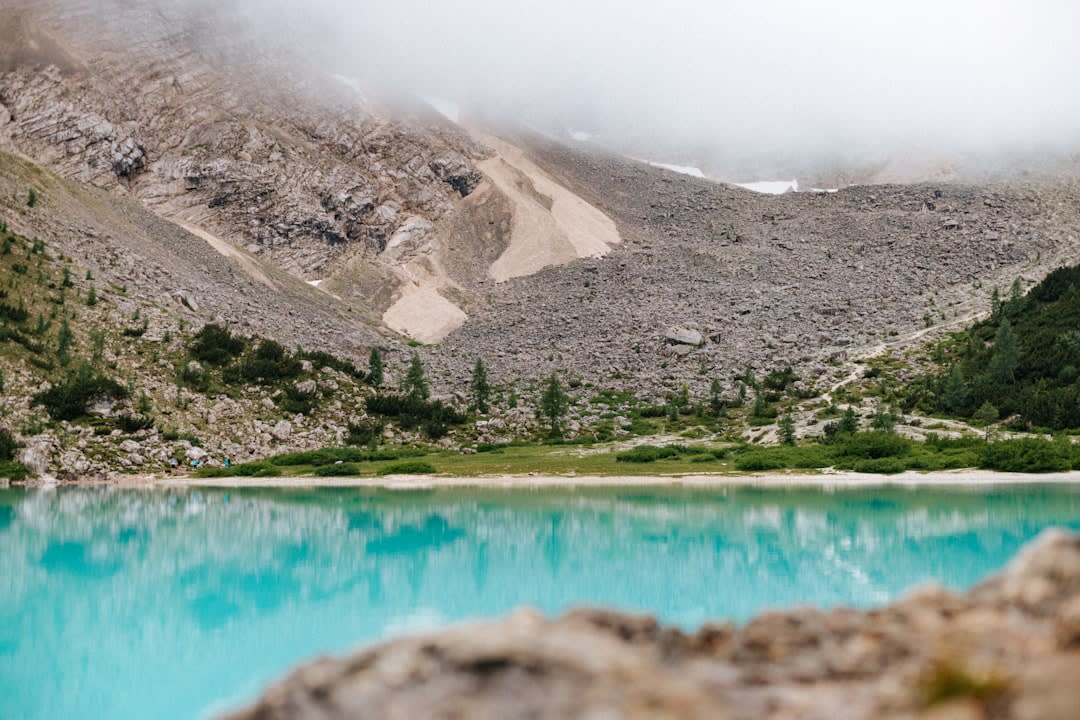
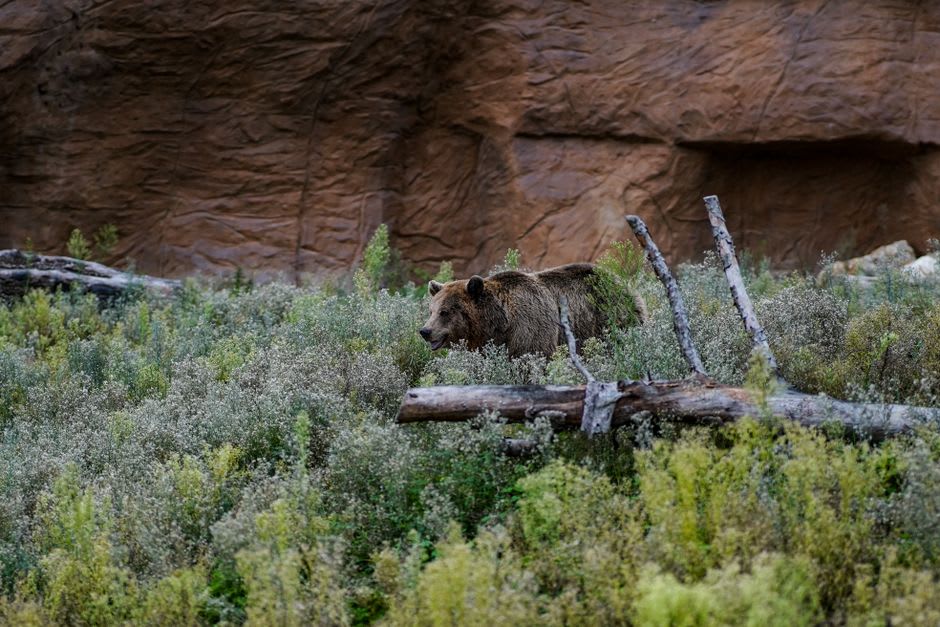
On the ground, I hiked the King’s Throne trail above Kathleen Lake, a brutal switchback climb that gains height fast enough to make conversation impossible, rewarded at the top with a view down onto water so turquoise it looked artificially lit. Kluane has one of the densest grizzly bear populations in the Yukon, and every trailhead sign says so bluntly — bear bells, bear spray, and the loud, slightly self-conscious habit of talking to yourself around blind corners became second nature within a day. We saw one, at a healthy distance, working over a hillside of soapberry bushes with the unhurried focus of an animal that knows exactly how much food it needs to put on before winter.
Haines Junction itself, the gateway town, is small enough to walk end to end in ten minutes, dominated by a church shaped like a Quonset hut with a mountain-peak steeple and a visitor center staffed by rangers who clearly love talking about ice cores and glacial surges more than anything else in their lives. I don’t blame them.
When to go: July and August for hiking trails free of snow and the best flightseeing weather; late September brings sharp gold aspen against the permanent white of the icefields, arguably the most photogenic combination in the whole territory.