Kingston
"Kingston governed a country for three years and has been quietly overqualified for everything since."
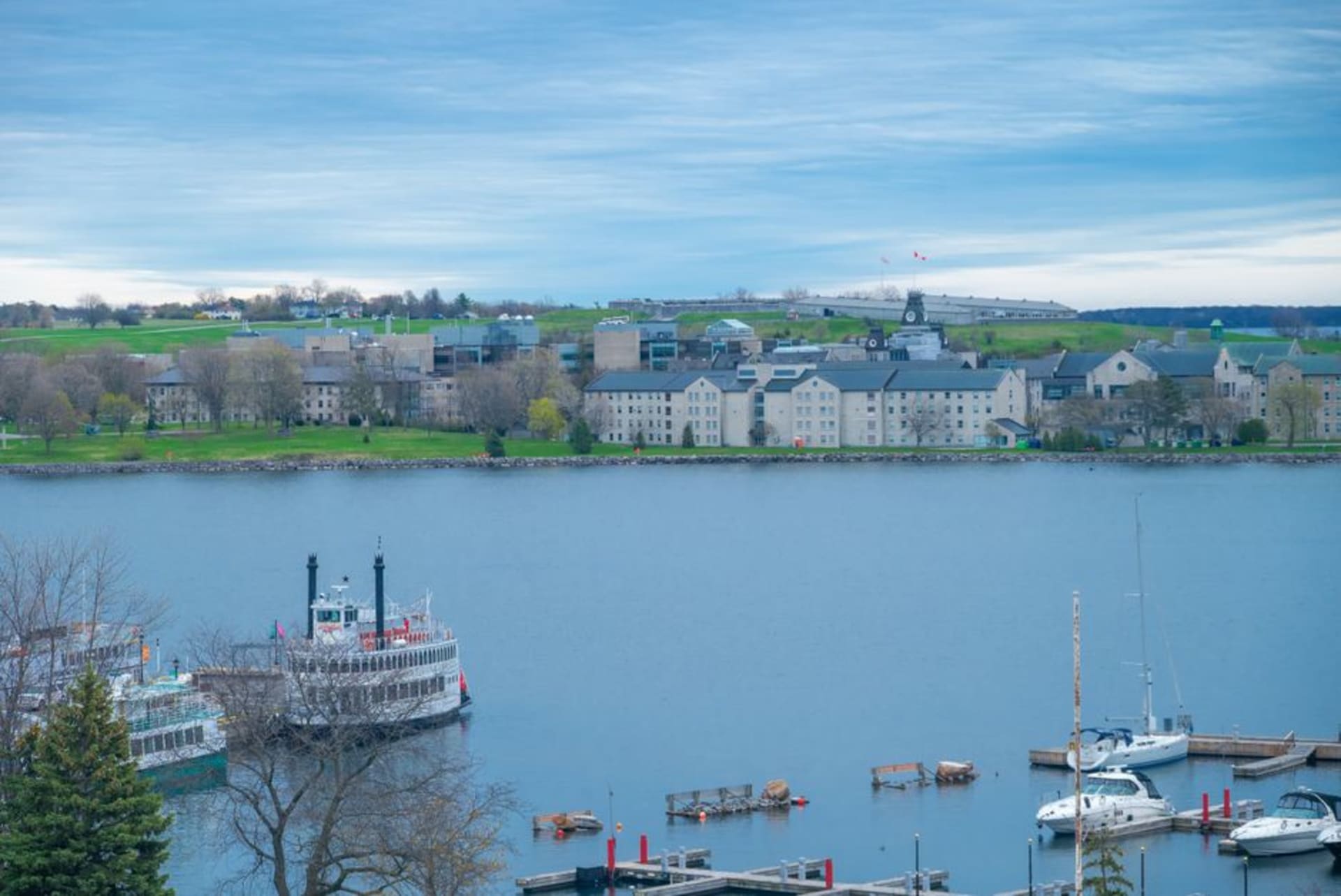
A limestone city on Lake Ontario's edge, once the capital of a young Canada, now a university town guarding the entrance to the Thousand Islands.
I arrived in Kingston off the train from Toronto and the first thing that struck me was the stone — grey-gold limestone on nearly every downtown building, quarried locally and cut with a precision that gives the whole waterfront a uniform, almost Scottish severity. It’s not a look I associate with Canada, which tends toward brick and clapboard, and it turns out there’s a reason: this was briefly the capital of the united Province of Canada, from 1841 to 1844, before Ottawa was even a serious contender, and the city built itself accordingly, with the institutional weight of a place that expected to matter more than it ultimately did.
That short-lived capital status left behind a downtown that feels overbuilt for its size in the best way — City Hall alone, a domed limestone pile from 1844, looks like it was designed for a metropolis three times as large. I walked past it at sunset, the stone gone amber, students on bicycles cutting across the square, and got a strong sense of a city still living slightly inside its own former ambitions.
Fort Henry and the Water
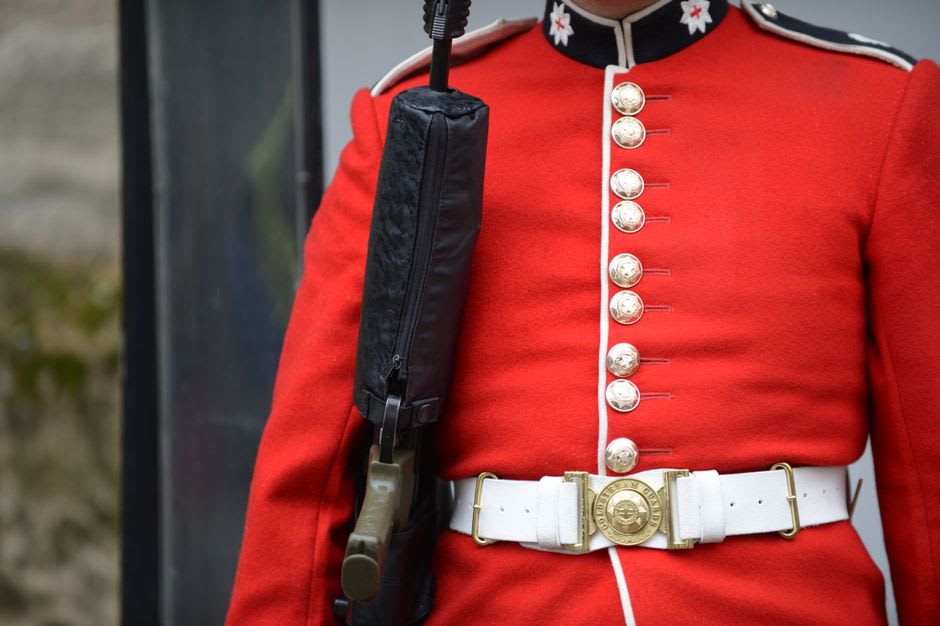
Fort Henry sits on a hill above the harbour, built by the British to guard the mouth of the Rideau Canal and the entrance to Lake Ontario, and it still hosts sunset ceremonial guard performances in summer — red coats, muskets, a fife-and-drum unit marching in formation while tourists sit on the grass slope below. I watched one on a warm July evening and was surprised by how genuinely stirring it was, the drums carrying across the water toward the Thousand Islands beyond.
Kingston’s other defining feature is Queen’s University, whose limestone halls blend seamlessly into the downtown fabric — there’s no real gate separating town from gown, just a gradual thickening of student cafes and secondhand bookshops as you walk north from the harbour. I ducked into a pub near campus that had clearly been serving the same clientele of undergrads and professors for a hundred years, oak booths carved with initials going back generations.
Gateway to the Islands
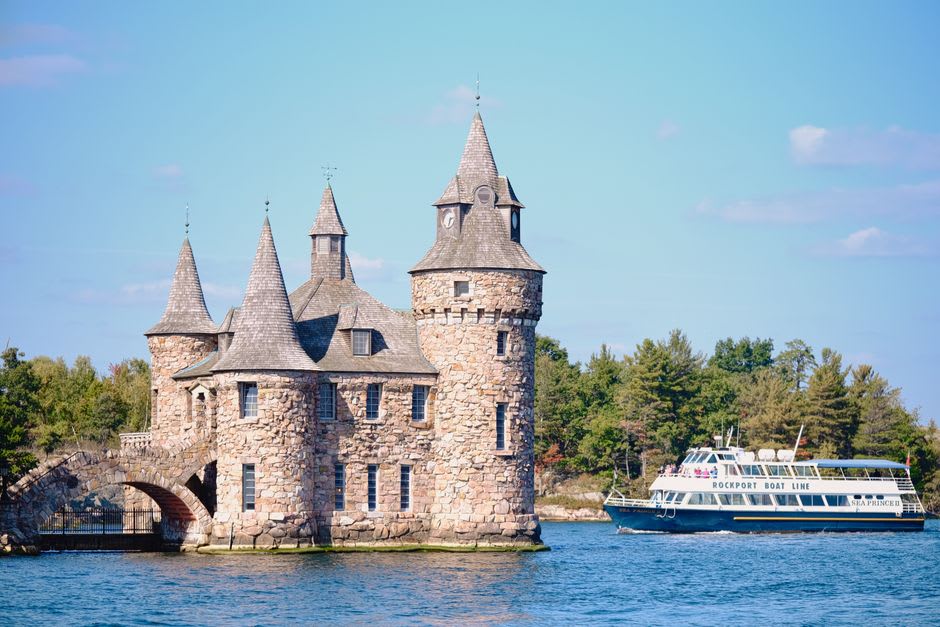
What sealed Kingston for me, though, was the water. The city sits exactly where Lake Ontario narrows into the St. Lawrence River and fractures into the Thousand Islands, and boat tours leave right from the downtown marina. I took a late-afternoon cruise past Wolfe Island and out toward the first scattering of islets, the water going glassy and gold as the sun dropped, freighters sliding past on the shipping channel like they’d been there since Kingston actually ran the country.
When to go: June through early September for boat tours and the Fort Henry sunset ceremony; September brings Queen’s move-in energy and crisper light over the harbour, arguably the most photogenic month.