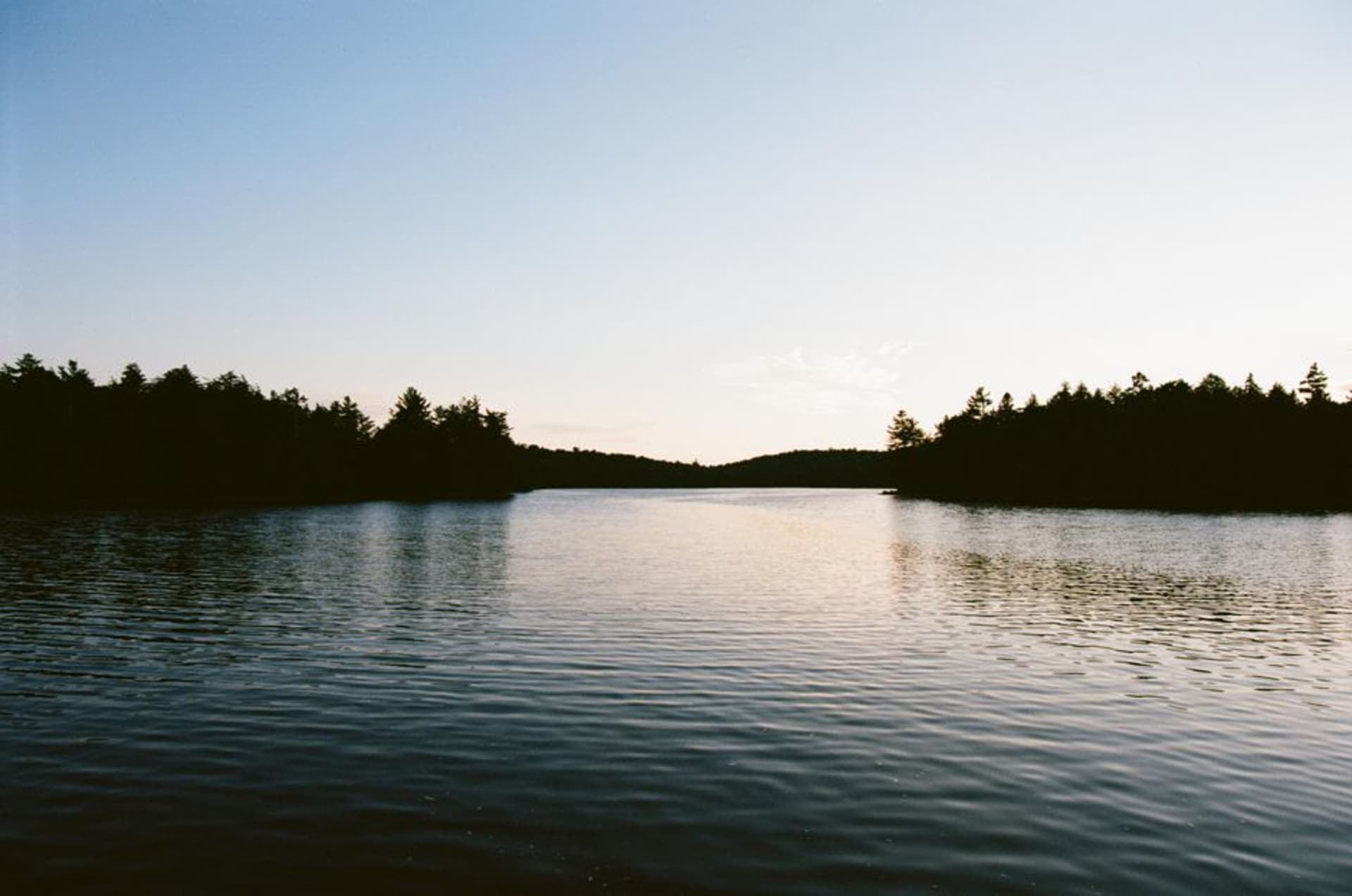
Killarney Provincial Park
"The lakes are so clear they look painted, which is fitting, because painters are the reason anyone knows this place exists."
Pink granite ridges and quartzite peaks rising over lakes so clear the Group of Seven built a movement around them — reachable only by paddling, on your own terms, at your own pace.
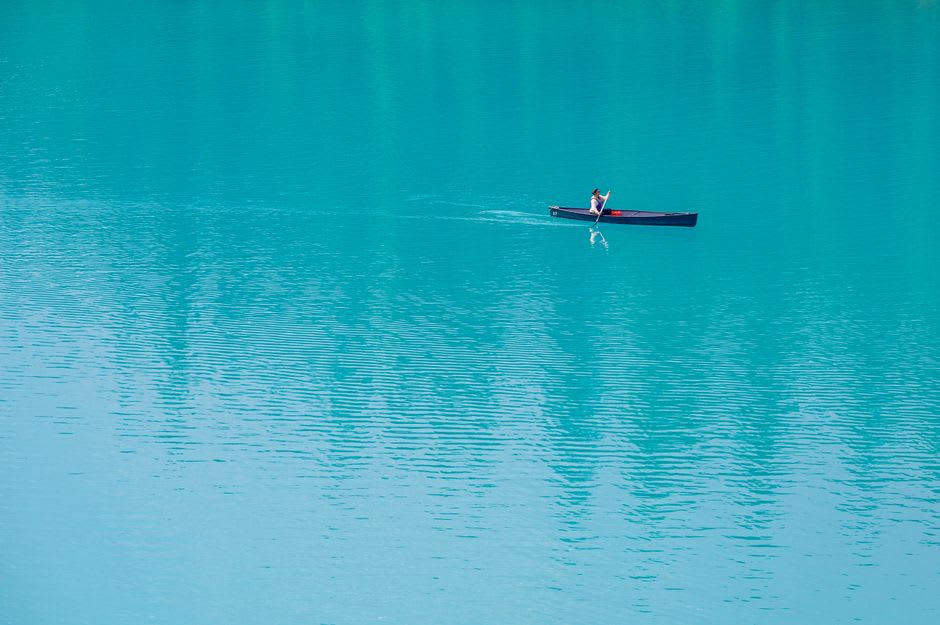
I rented a canoe at the George Lake access point and had absolutely no idea what I was getting into. Killarney doesn’t have a road looping through its scenery the way Banff or Jasper do — you paddle in, or you don’t see it, and that single fact filters the crowds down to almost nothing once you’re past the first portage. Within twenty minutes of leaving the dock the water had gone an impossible pale turquoise, not glacial meltwater like the Rockies but something else entirely: white quartzite bedrock lighting the lake from below like a swimming pool. I stopped paddling twice just to float and stare down at my own paddle glowing underwater.
The La Cloche Mountains ring the park, low by Rockies standards — nothing here tops 500 metres — but the pink granite and bone-white quartzite ridges against black spruce and those pale lakes create a palette I hadn’t seen anywhere else in Canada. It’s genuinely no surprise that A.Y. Jackson and Franklin Carmichael, two of the Group of Seven, lobbied specifically to have this area protected after painting here in the 1930s. You can stand on a ridge above Killarney Lake and recognize the exact composition from a canvas in the National Gallery.
Portaging the Silhouette
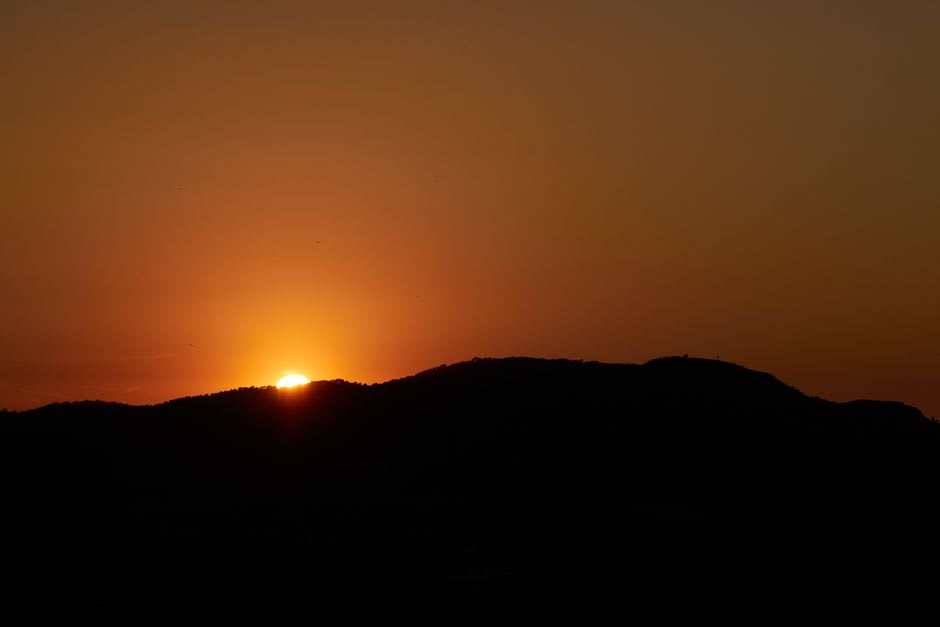
The park’s interior is canoe-only backcountry — no motors, no shortcuts — and the classic route strings together lakes with names like Silver Peak, OSA, and David, each connected by a portage trail you carry your canoe and gear across on your own back. My longest portage was maybe eight hundred metres and it nearly broke me; a couple I met at the next campsite, doing the full week-long loop, laughed and said the first day always humbles everyone. That night we shared a fire on a granite point looking west, the sun dropping behind the La Cloche ridgeline in a long orange smear, loons calling across water that had gone completely still. I have paddled lakes in the French Alps and in Scandinavia and nothing quite matched the specific quiet of that evening — no engine sound anywhere, ever, because there’s no way to bring one in.
When to go: Mid-June through September for canoeing, with July and August warmest for swimming. Book backcountry campsites months ahead — permits are limited by design, which is exactly what keeps the park this quiet.