Kamloops
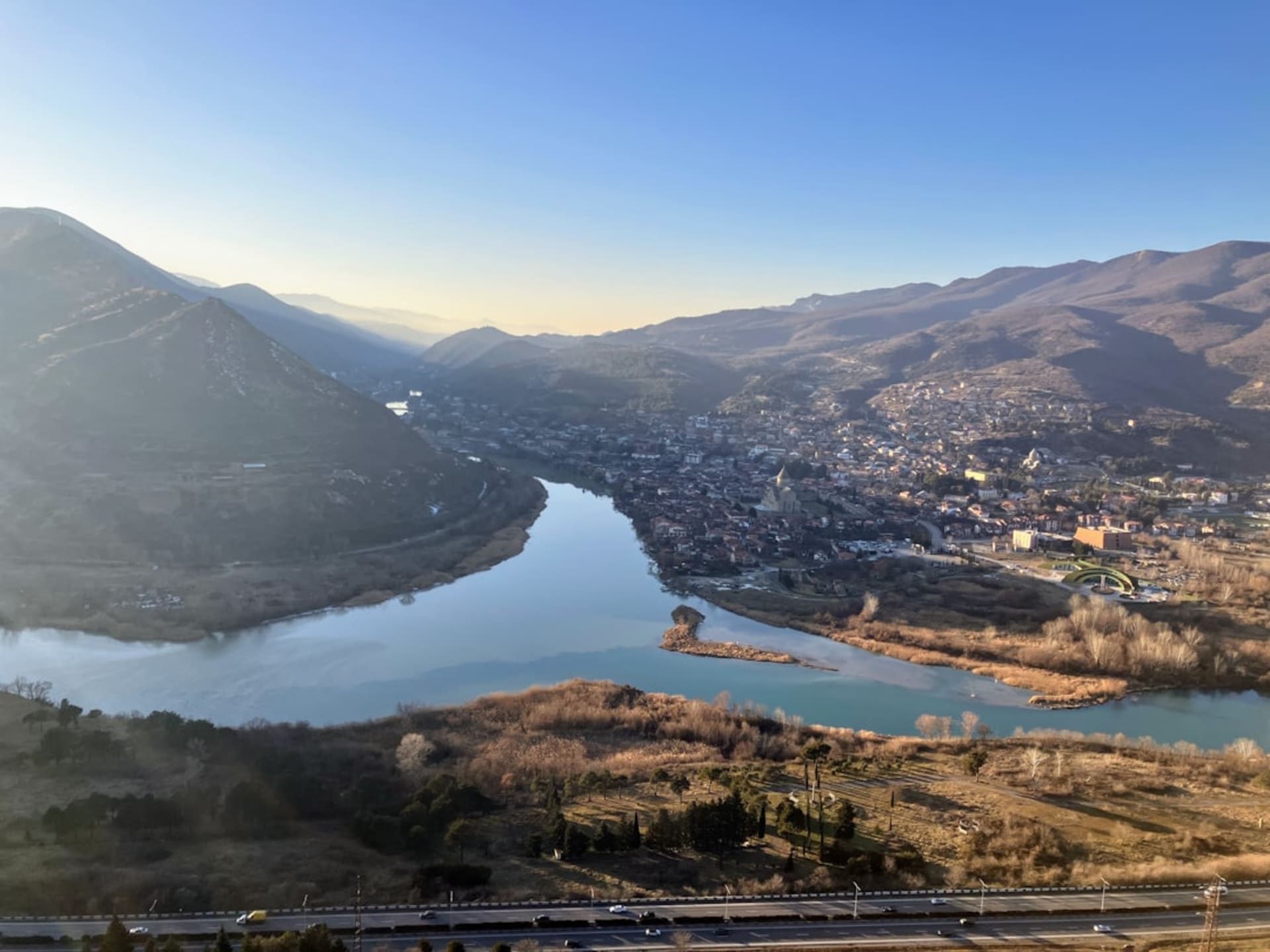
"Nobody pictures tumbleweed-coloured desert hills when they think of British Columbia, and that is exactly what Kamloops is built on."
A city of dry grasslands and sagebrush hills at the confluence of two rivers, British Columbia's cattle-ranching and tournament capital hiding in plain sight in the interior.
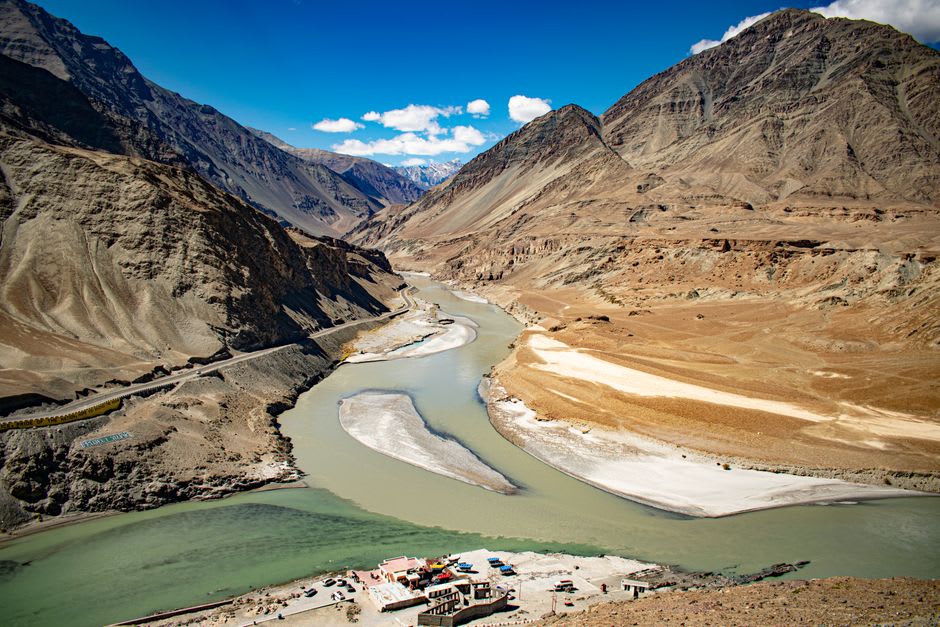
Driving into Kamloops from the coast, I watched the landscape change so completely over a few hours that I checked the map twice to make sure I hadn’t crossed into a different province. The thick coastal rainforest thinned out, then vanished, replaced by rolling hills the colour of toast, dotted with sagebrush and the occasional lone ponderosa pine standing in improbable isolation. This is British Columbia’s dry belt, part of the Thompson-Okanagan’s rain shadow, and Kamloops sits right at its centre, at the confluence of the North and South Thompson Rivers, which meet in a wide, braided junction visible from almost anywhere in town.
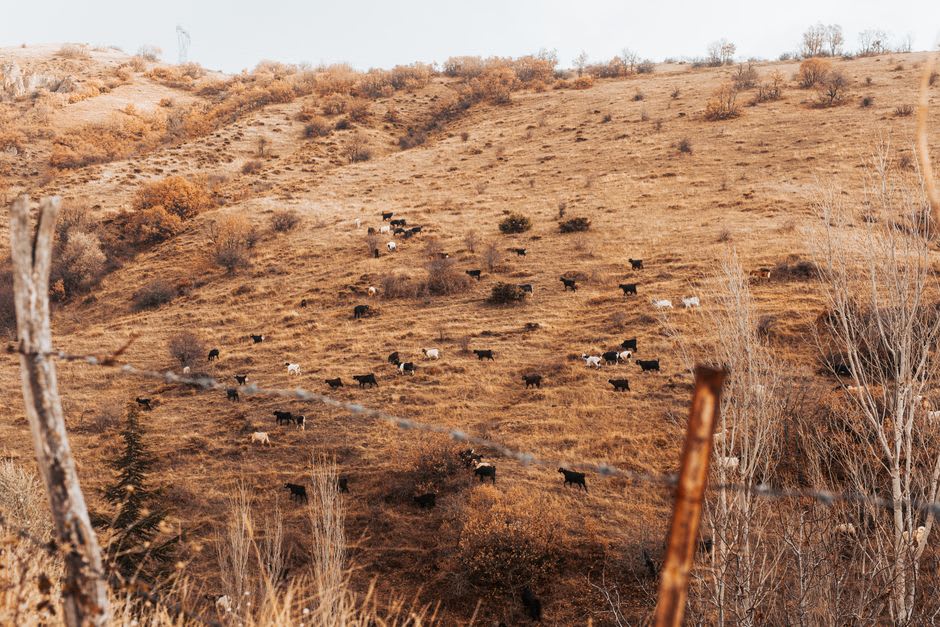
The name comes from the Secwepemc word for “meeting of the waters,” and that geography has shaped the city since long before it was a city — a natural crossroads for trade, then for the fur trade posts that followed, then for the Canadian Pacific Railway. What surprised me was how much of a working ranching identity has survived all that layered history. Cattle country stretches out in every direction from the city limits, grasslands still grazed much as they were a century ago, and I passed more than one genuine cattle drive moving slowly along a back road, dust rising behind it in a scene that felt closer to Alberta or Wyoming than to the British Columbia of postcards.
The Tournament Capital
Kamloops has, somewhat improbably, branded itself the Tournament Capital of Canada, and the infrastructure backs the claim up — a purpose-built sports complex with facilities for everything from bike racing to swimming to lacrosse, drawing national and international competitions to a city of under a hundred thousand people. I happened to be there during a youth soccer tournament, and the entire riverside park was a wall of tents and folding chairs, families who had driven in from across the province filling every hotel room in town. It gave the place an unexpected, buzzing energy that felt at odds with the quiet, sun-baked hills just beyond the city limits.
Away from the tournaments, the dry heat makes Kamloops one of the best wine and fruit-growing pockets outside the Okanagan proper, and the surrounding grasslands, part of one of the most endangered ecosystems in Canada, are protected in pockets like Lac du Bois, where I hiked at sunset through bunchgrass hills alive with the sound of meadowlarks, the two rivers glinting far below.
When to go: May and June for wildflowers across the grasslands and comfortable hiking heat; September for harvest season in the surrounding vineyards and orchards.