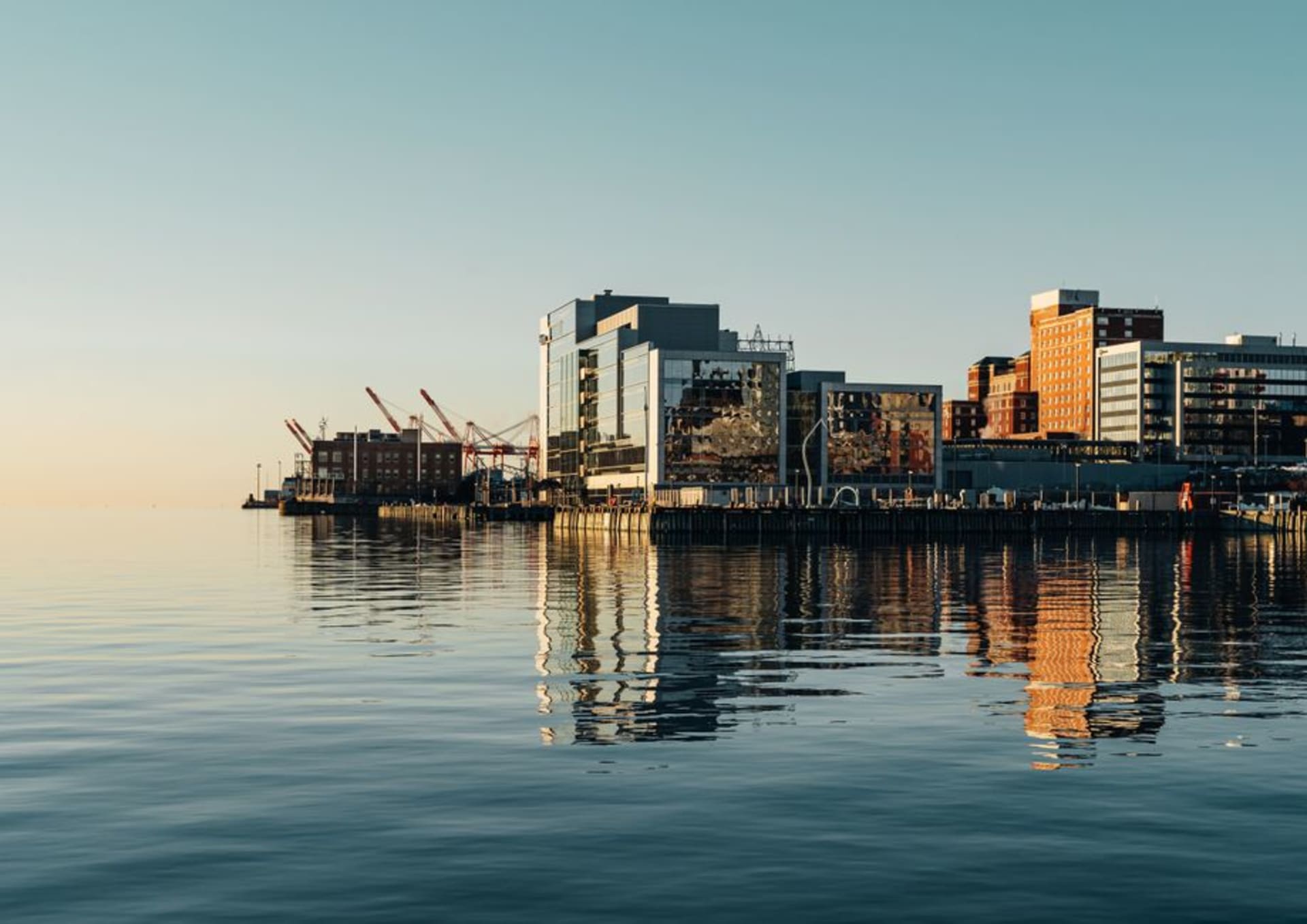
Halifax
"A city that talks about ships and disasters the way other places talk about the weather — constantly, and with real feeling."
Nova Scotia's naval capital, where a waterfront built on Atlantic seafood carries the scars and stories of an explosion that once nearly erased the city.
I did not expect Halifax to hit me the way it did, and I think that is because I arrived expecting a pretty harbour town and found a city still visibly shaped by catastrophe. My first stop, almost by accident, was Fort Needham Memorial Park, a modest hilltop with a bell tower overlooking the north end of the city. A plaque there explains the Halifax Explosion of December 1917 — a French cargo ship loaded with wartime explosives collided with another vessel in the harbour, and the resulting blast, still one of the largest human-made explosions before the nuclear age, levelled the north end of the city and killed roughly two thousand people in a few seconds. Standing on that hill, looking down at the neighbourhood that was rebuilt almost entirely from rubble, changed how I saw everything else in Halifax for the rest of my visit.
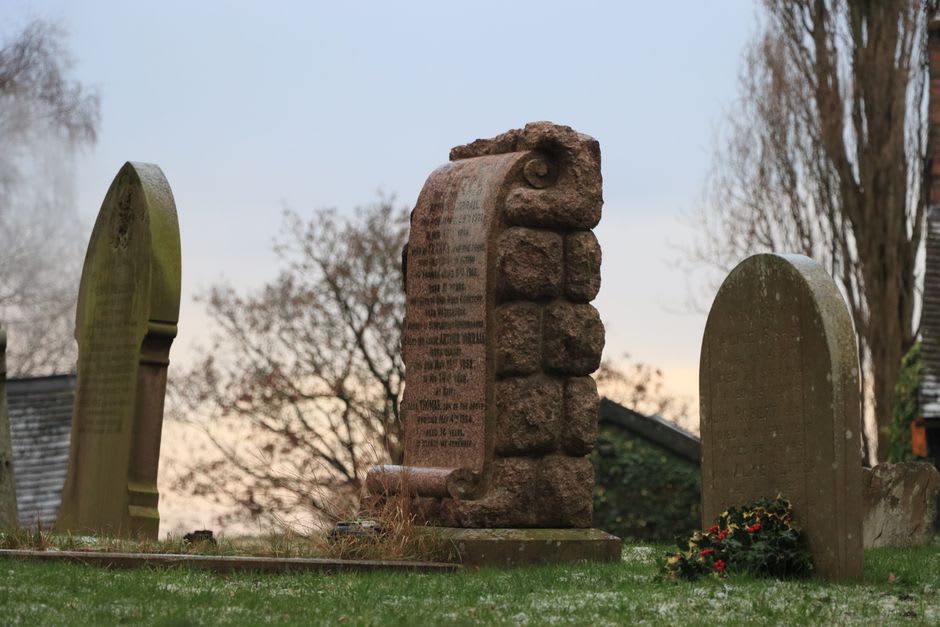
Because the city carries that weight without becoming morose about it. The Maritime Museum of the Atlantic downtown devotes a full gallery to the explosion — twisted metal fragments, survivor accounts, a display on Vince Coleman, the railway dispatcher who stayed at his post to warn incoming trains and died doing it — and I spent far longer in there than I had planned, reading accounts in a room gone very quiet around me. The same museum holds an entire wing on the Titanic, because Halifax was the nearest major port when the ship went down in 1912, and its ships recovered bodies that are buried here still. Fairview Lawn Cemetery holds over a hundred Titanic victims, including one headstone simply marked “J. Dawson” that became an unlikely pilgrimage site after the film made tourists assume, wrongly, it belonged to a character rather than an actual seaman.
The Waterfront and the Boardwalk
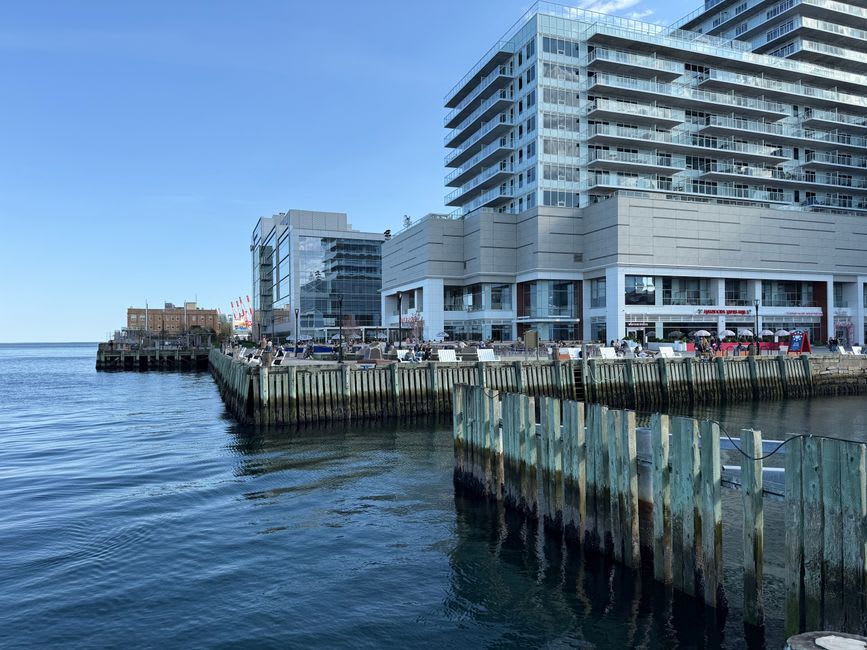
None of that history makes Halifax a sombre place to visit — the waterfront boardwalk, stretching several kilometres along the harbour, is where the city actually lives, and I spent my evenings there without exception. Buskers, breweries, the Canadian Museum of Immigration at Pier 21 telling the arrival stories of the more than a million immigrants who entered the country through this exact dock, and restaurants serving lobster rolls that reset my definition of the dish entirely — barely dressed, ice-cold, the meat doing all the work. Alexander Keith’s brewery has poured beer from the same waterfront building since 1820, and drinking a pint there, in a room that has survived an explosion, two world wars, and the Titanic disaster, felt like drinking history rather than just IPA.
Citadel Hill
Above the downtown core, the star-shaped fortifications of Citadel Hill have guarded the harbour since the 1750s in one form or another, rebuilt four times as military technology and threats evolved. I climbed up at noon specifically to watch the daily cannon-firing ceremony — a genuinely loud, genuinely thrilling blast performed in period uniform that has apparently startled tourists into dropping their coffee for well over a century — and stayed to walk the ramparts, looking down at a harbour that has been defended, exploded, and rebuilt more times than most cities manage in twice the years.
When to go: June through September for the warmest weather and full museum hours; the cannon ceremony at Citadel Hill runs daily at noon year-round. Early December visits carry particular weight if you want to see the Explosion memorial events, held each year on the anniversary.