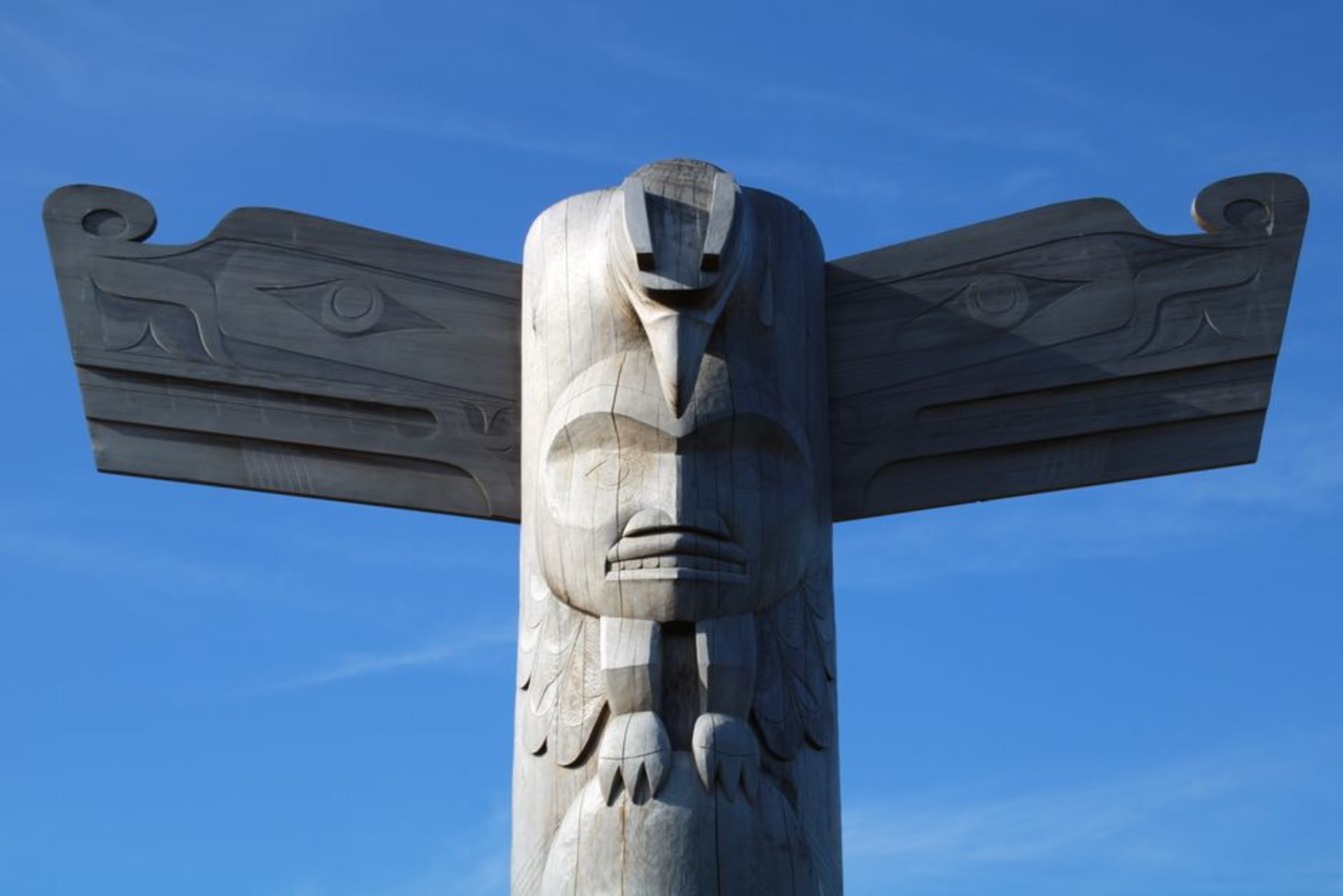
Haida Gwaii
"Haida Gwaii is the first place in Canada that made me feel like a genuine visitor rather than a tourist."
A remote archipelago off British Columbia's northern coast, ancient rainforest and centuries of Haida culture standing at the edge of a fog-wrapped, wind-battered Pacific.
Getting to Haida Gwaii takes effort — a flight from Vancouver, or a long ferry crossing from Prince Rupert through open Hecate Strait water that has a real reputation for tossing boats around — and that effort filters the place in a way few destinations manage anymore. I landed in Sandspit under a low grey sky that, I would learn, is closer to the archipelago’s default setting than its exception, and the first thing anyone told me, at the tiny airport, at the guesthouse, at the general store, was that I was on Haida land, and that this mattered here in a way it often does not elsewhere.
The Haida Nation never signed a treaty ceding this territory, and their presence is not a heritage display but an ongoing, visible fact of daily life. In the village of Skidegate and in Old Massett further north, contemporary Haida artists carve totem poles and argillite using techniques passed down through a culture that was nearly destroyed by smallpox and residential schools in the nineteenth and twentieth centuries and has spent the decades since rebuilding with real force. I stood in front of a newly raised pole in Skidegate — raised within the last decade, not centuries ago — and understood that I was watching a living tradition, not a relic.
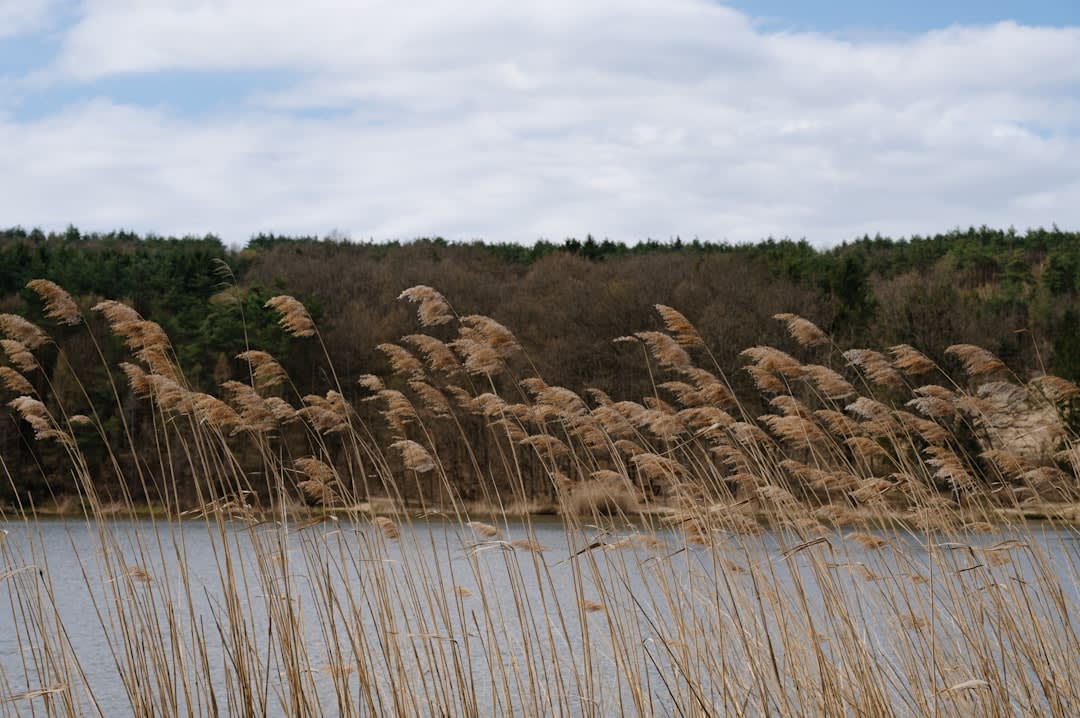
Gwaii Haanas
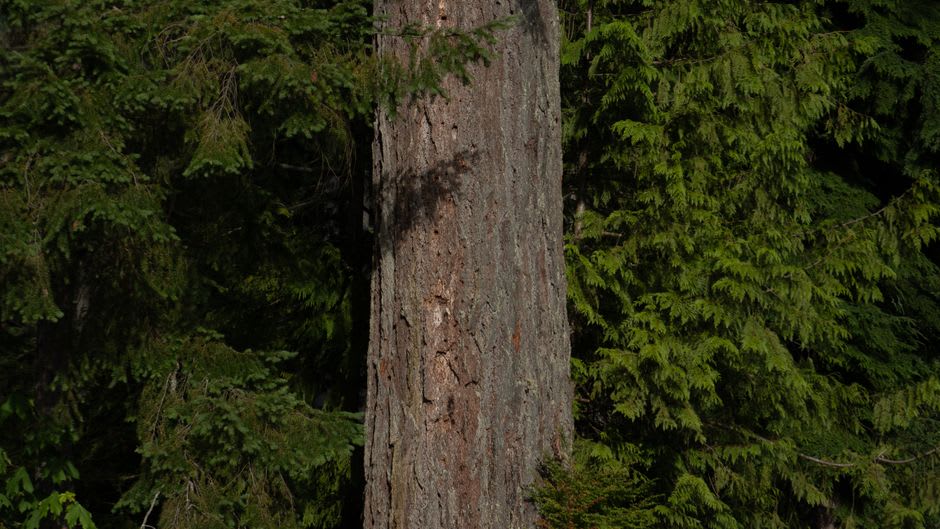
The southern half of the archipelago is Gwaii Haanas, a national park reserve and Haida heritage site jointly managed by Parks Canada and the Haida Nation, accessible only by boat or floatplane, with no roads and strict daily visitor limits. I joined a small guided boat trip down through this maze of fjord-like channels, and the forest that came down to the waterline was old-growth rainforest that has never been logged — Sitka spruce and western red cedar draped in moss, some of the trees pre-dating European contact with the continent by centuries. We stopped at SGang Gwaay, a UNESCO World Heritage site where a row of mortuary and memorial poles still stands in a former village, weathering slowly back into the forest rather than being restored, by deliberate Haida choice. A watchman met our boat, as they do at every major site here, part of a program that has kept a Haida presence on this land continuously since it was reoccupied for exactly that purpose.
The wildlife did its part too — black bears of an unusually large subspecies found only on these islands, bald eagles in numbers that stopped registering as remarkable after the second day, and humpback whales surfacing in the channel on the ride back, entirely unbothered by our small boat.
When to go: June through September, for the calmest crossings, the longest daylight, and the only realistic window to book a Gwaii Haanas boat trip.