
Gros Morne National Park
"I stood on rock that used to be part of the Earth's mantle, and it looked exactly as alien as that sounds."
A UNESCO site where the Earth's mantle sits exposed on the surface, glacial fjords cut through the highlands, and the geology alone justifies the flight to Newfoundland.
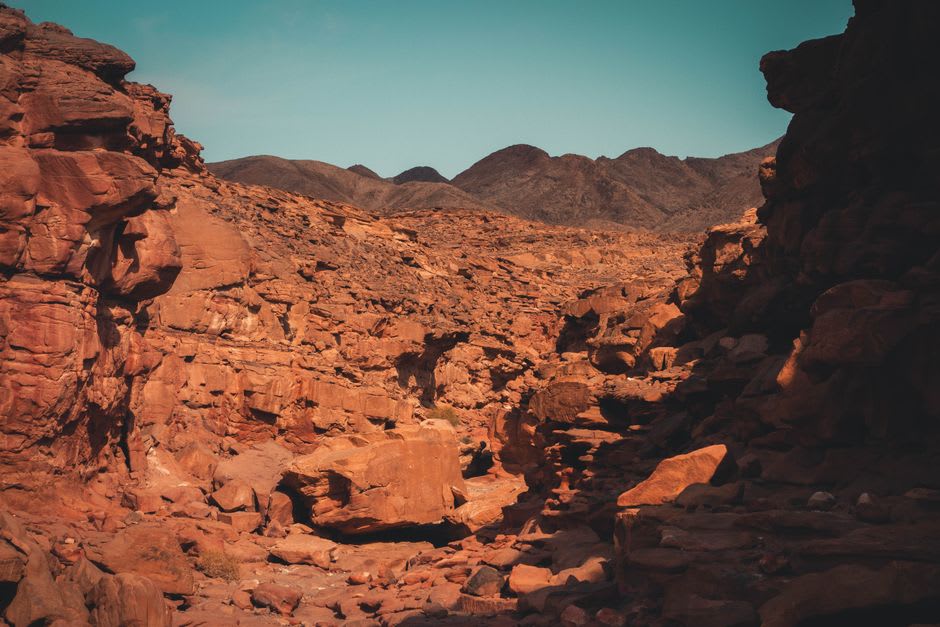
I am not a geologist, and I went into Gros Morne without much expectation beyond “pretty mountains,” so the Tablelands genuinely stopped me. It’s a stretch of barren, rust-orange plateau that looks transplanted from another planet — almost nothing grows on it, because the rock is peridotite, a piece of the Earth’s mantle thrust up to the surface by ancient plate collisions and toxic to most plant life due to its mineral composition. Gros Morne is one of the few places on the planet where you can walk directly on mantle rock without having drilled or dived to reach it, which is the reason UNESCO designated the park a World Heritage Site in 1987 — it’s considered one of the best examples on Earth of plate tectonics made visible. Walking the interpretive trail across the Tablelands in full sun, the heat radiating off orange rock in every direction, genuinely did feel like stepping onto Mars footage.
The scale of the place took me a day to recalibrate for. This isn’t a park you casually see from a car; the Long Range Mountains, the northernmost extension of the Appalachians, dominate the interior, and Gros Morne Mountain itself — the park’s namesake and Newfoundland’s second-highest peak — takes a full day to summit and back, a strenuous scramble up loose scree rewarded with a view across the whole park to the Gulf of St. Lawrence.
Western Brook Pond
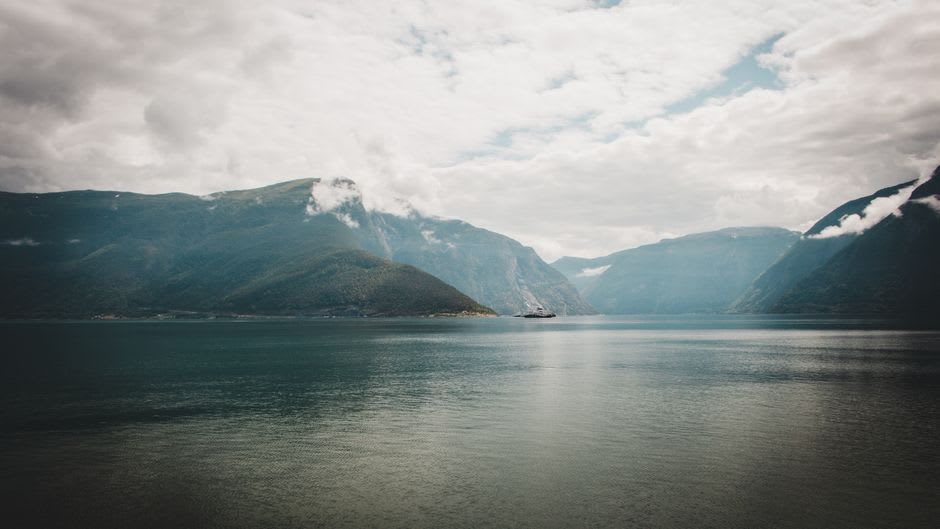
The single best half-day in the park is the boat tour on Western Brook Pond, and the name undersells it badly — it’s not a pond, it’s a landlocked glacial fjord, cut by ice during the last glaciation and then sealed off from the ocean as the land rebounded, leaving a body of freshwater so pure it’s classified as nearly distilled. Getting there requires a three-kilometre walk across boardwalk through boggy coastal barrens before you even reach the boat dock, and then the fjord opens up between sheer cliff walls over 600 metres high, waterfalls dropping straight into the water from hanging valleys above. Our guide cut the engine partway through and let the boat drift in silence for a minute; the only sound was water falling somewhere off one of the cliff faces, and nobody on board said a word.
The fishing villages at the edges
The park’s edges hold small outport communities — Woody Point, Trout River, Norris Point — where the working-harbour rhythm continues alongside the tourism, and eating fish and chips at a picnic table in Trout River with the Tablelands visible across the bay was one of those meals where the setting did most of the work. Rocky Harbour, the park’s main service town, is unglamorous but functional, and I appreciated that Gros Morne hasn’t been over-developed around its own fame.
When to go: July and August for the Western Brook Pond boat tours and the best hiking conditions on Gros Morne Mountain; the boat tour operates only from late May through September, so check dates before building an itinerary around it.