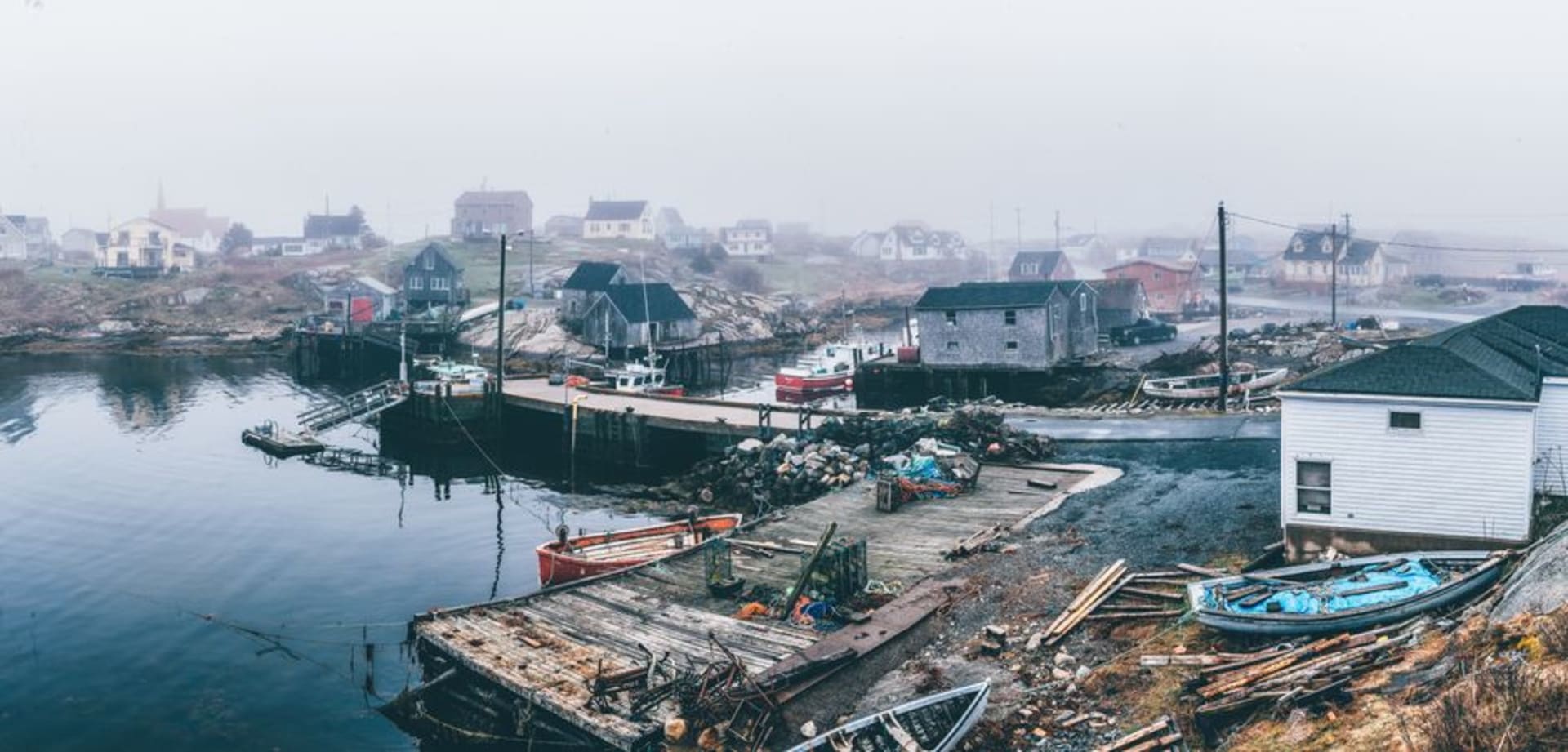
Grand Manan Island
"The ferry ride alone tells you this island runs on its own schedule, set by fog and tide, not by the mainland."
A fog-wrapped fishing island reachable only by ferry, where dulse dries on wooden racks, whales pass close offshore, and migratory birds stop by the tens of thousands.
The ninety-minute ferry crossing from Blacks Harbour is, I think, the correct way to arrive anywhere — it forces a decompression that flying or driving never does. I stood on deck watching the New Brunswick coast recede into a fogbank, then watched Grand Manan resolve out of the same fog thirty minutes later, a low dark island with a single lighthouse blinking through the mist. There is no bridge to Grand Manan and, from what the locals told me over lobster rolls that first evening, no great desire for one. The island survives on fishing, on tourism that arrives in a trickle rather than a flood, and on a fog that rolls in off the Bay of Fundy so reliably that islanders schedule outdoor plans around it the way other people check for rain.
Grand Manan’s economy and its identity both run on the sea in ways that have mostly vanished from the rest of the Maritimes. Lobster boats work the harbour at North Head before dawn, herring weirs — circular fish traps built from staked nets, a technique that has barely changed in a century — still dot the coastline, and I watched fishermen mending nets on the wharf with the unhurried competence of people who have done this since childhood. It felt less like a tourist stop and more like being allowed to observe a working island that happens to tolerate visitors.
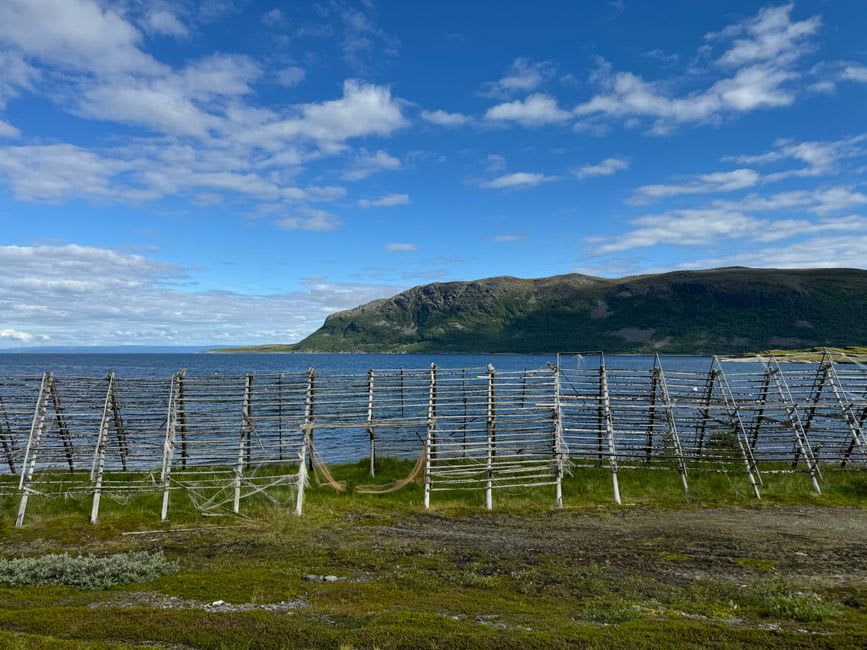
Dulse and the Dark Harbour Shore
The island’s strangest export is dulse — a purple-red seaweed hand-harvested from the rocks at Dark Harbour on the island’s western shore and dried on wooden racks in the wind until it turns brittle and salty. I hiked down to Dark Harbour on a low-tide morning and found harvesters working the intertidal rocks with baskets, pulling dulse by hand exactly as their families have for generations; the island supplies a meaningful share of the dulse eaten across eastern Canada, and I bought a bag straight from a drying rack, still warm from the sun, and ate it on the cliff walk back. It tastes like the ocean decided to become a snack food, briny and umami in a way that took me two or three pieces to actually enjoy — and then I could not stop.
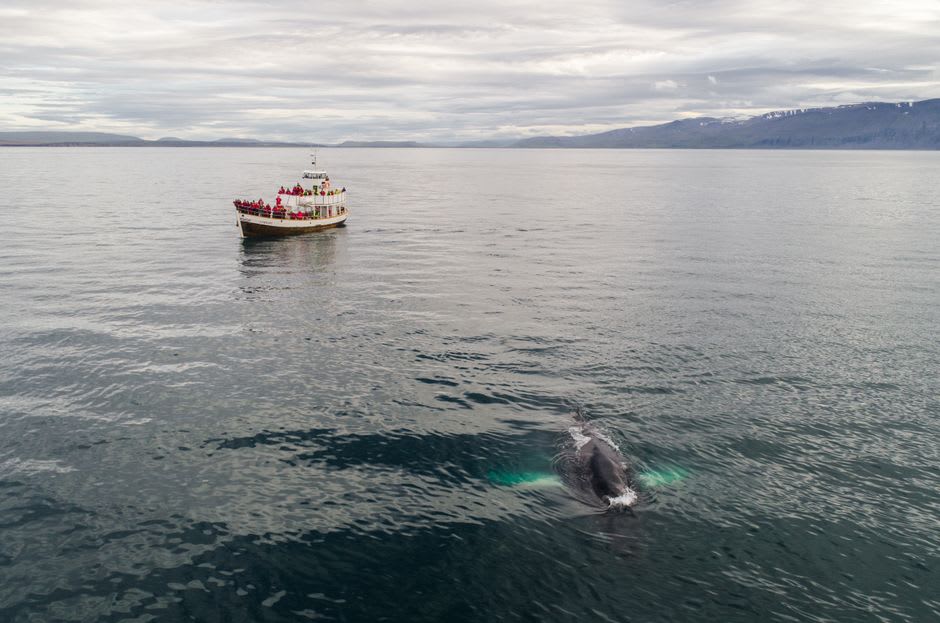
A Stopover for Wings and Whales
Grand Manan sits directly on the Atlantic flyway, and in late summer the island becomes one of the best birdwatching stops in the Maritimes — Bonaparte’s gulls gather offshore by the tens of thousands, and the cliffs at Southern Head and the offshore rocks around Machias Seal Island host puffin colonies that draw birders from well beyond Canada. I took a whale-watching boat out of Seal Cove and, within the hour, was watching finback and minke whales feed in the nutrient-rich water the Fundy tides stir up, the same tidal engine that powers everything else in this bay doing its work offshore too. The guide cut the engine and we sat rocking gently while a finback surfaced twice within thirty metres of the boat, close enough that the smell of its breath — somewhere between fish and low tide — drifted over the water toward us.
When to go: Late June through September for reliable ferry service, whale watching, and the best chance of birdwatching along the flyway; book ferry reservations ahead in peak summer, since sailings are limited and fog occasionally cancels crossings outright.