Gimli
"There's a five-metre Viking statue standing guard over a Manitoba harbour, and somehow, once you know the history, it makes complete sense."
A beach town on the shore of Lake Winnipeg that is, improbably, the largest Icelandic settlement outside Iceland itself, complete with a Viking statue guarding the harbour.
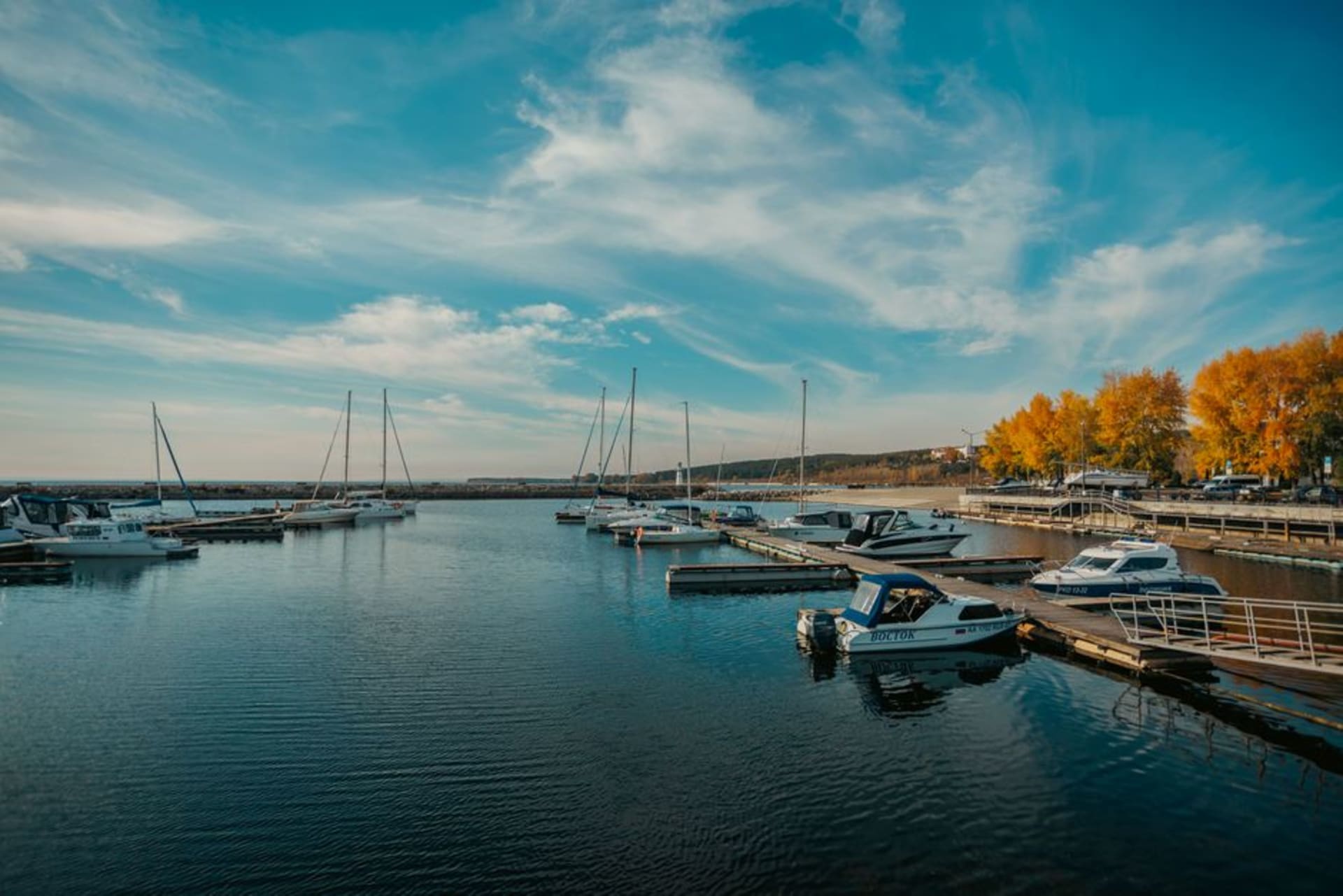
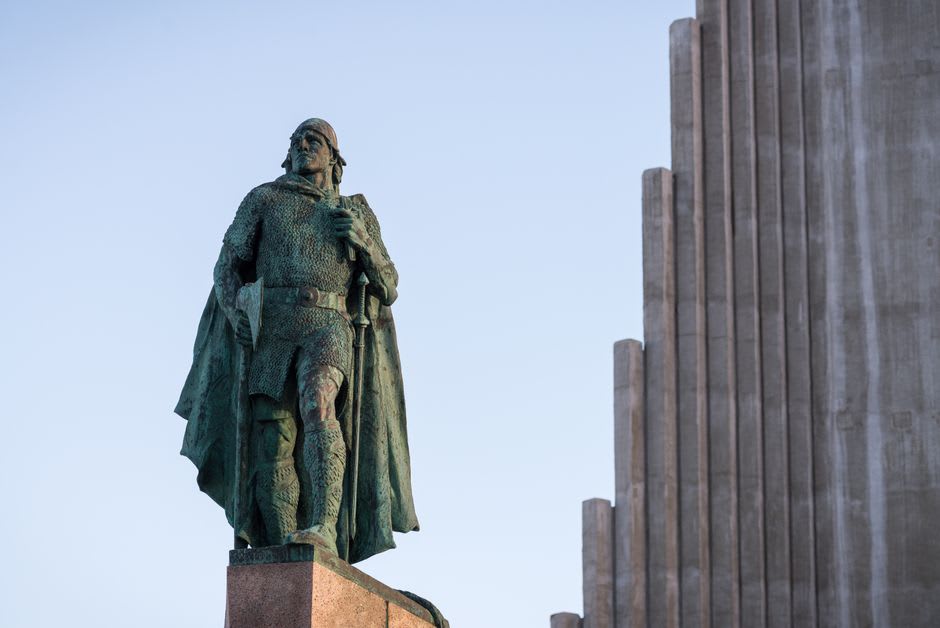
The Viking statue is what tips you off before anything else does. Driving into Gimli along the shore of Lake Winnipeg, past a marina full of modest fishing boats, there’s a five-metre bronze Viking standing at the harbour’s edge, shield raised, looking out over water that is unmistakably a lake and not a fjord. It’s not a joke or a roadside curiosity — Gimli was founded in 1875 by Icelandic immigrants who named their new settlement after the mythological paradise in Norse cosmology, and the town has been, ever since, the largest community of Icelandic descent outside Iceland itself.
Wandering the small downtown, the Icelandic imprint is everywhere without being kitsch about it: street signs with Icelandic names, a heritage museum walking visitors through the brutal first winter of 1875, when a smallpox epidemic and isolation nearly wiped the fledgling colony out before it had properly begun. A volunteer at the New Iceland Heritage Museum, herself fourth-generation Icelandic-Manitoban, told me her family still made vínarterta, a traditional prune-cake, every Christmas exactly as her great-grandmother had brought the recipe over.
Islendingadagurinn
I happened to be in Gimli during Islendingadagurinn, the Icelandic Festival of Manitoba, held every August since 1890 — reputedly one of the longest continuously running ethnic festivals in North America. The main street closes to traffic, there’s a parade, a beard-growing contest, traditional Icelandic food stalls selling vínarterta and kleinur, and a “Fjallkona,” a woman chosen each year to personify the spirit of Iceland, presiding over the whole weekend in ceremonial dress. It felt less like a tourist festival and more like a genuine family reunion that several thousand outsiders happened to be welcomed into.
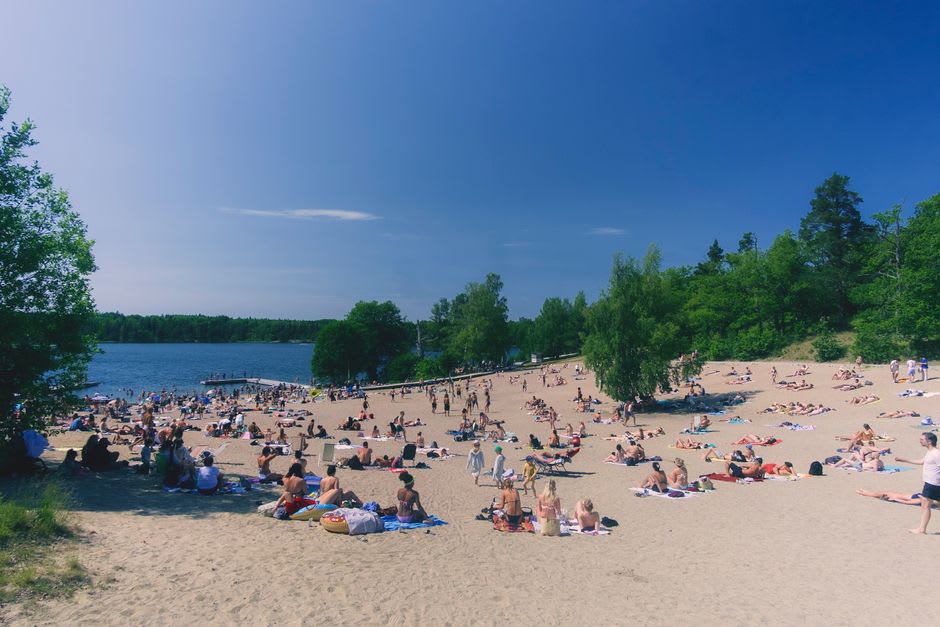
Lake Winnipeg itself, meanwhile, does the quiet work of making Gimli a proper beach town regardless of the heritage angle — its beach is broad, sandy, and busy all summer with Winnipeggers making the hour-long drive north, the lake’s shallow southern basin warming up faster than you’d expect for something this far north.
A very specific kind of Canadian town
Gimli is one of those places that only makes sense once you understand the layers stacked on top of each other: a Cree and Anishinaabe fishing ground long before European contact, then an Icelandic refuge from famine and volcanic disaster back home, then a modern lake-town retreat for Winnipeggers escaping the summer heat. Somehow all three layers are still visible on the same short walk from harbour to beach.
When to go: Early August specifically for Islendingadagurinn, or any weekend in July for the beach at its warmest; the harbour is at its most photogenic in the golden light just before sunset.