
Forillon National Park
"This is where the Appalachians simply stop, cliffs dropping straight into the Gulf like the land ran out of ideas."
Cliffs, seals, and abandoned fishing settlements at the exact tip of the Gaspé Peninsula, where the Appalachian mountain chain finally runs out of land and drops into the sea.
Forillon sits at the absolute tip of the Gaspé Peninsula, the point where the Appalachian mountain chain that starts in Georgia finally runs out of continent and drops, quite literally, into the Gulf of St. Lawrence. I drove in from Percé along Route 132, the coastal highway that hugs the shoreline for most of the way, and the landscape kept getting more vertical the further east I went, until the road was cutting along cliff faces with nothing but water on one side. Cap-Bon-Ami, at the park’s northeastern corner, is the payoff: a viewpoint where the cliffs drop sheer into the Gulf, and on a clear day you can see whales — minke and sometimes humpback — moving along the base of the cliffs from a lookout that requires no boat at all.
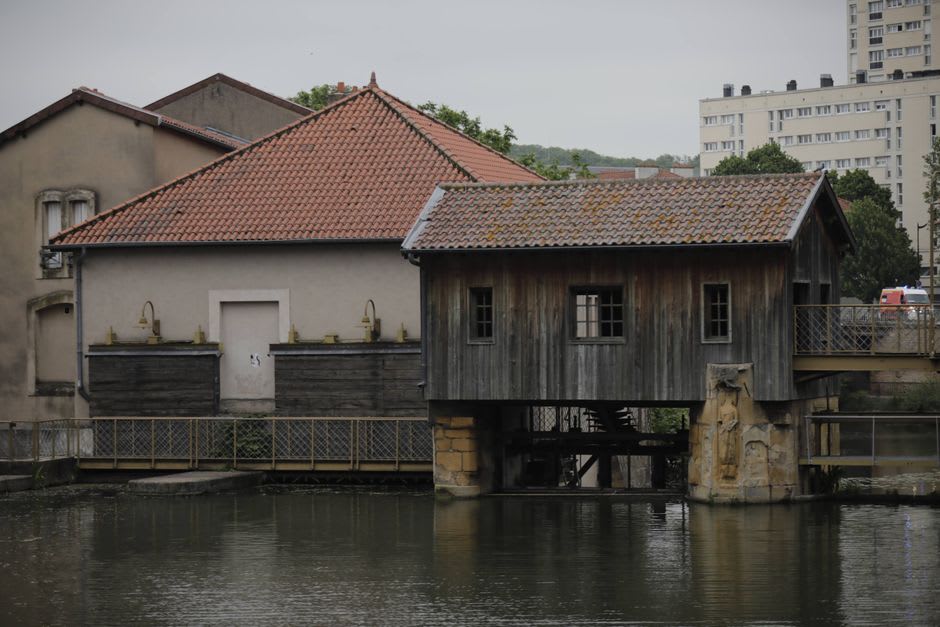
What struck me most wasn’t just the geology but the human residue scattered through the park. Before Forillon became a national park in 1970, this was a working fishing coastline, and the federal government’s expropriation of local families to create the park is still a sore subject in Gaspé communities — you’ll hear it mentioned by guides with a careful, diplomatic phrasing. Several homes were preserved rather than demolished, and you can walk through Hyman & Sons, a restored general store and fish merchant’s operation at Grande-Grave, staffed by interpreters who explain the old cod-drying and salting process in detail that makes clear how central fishing was to every family here for generations.
Seals, Whales, and an Empty Trail
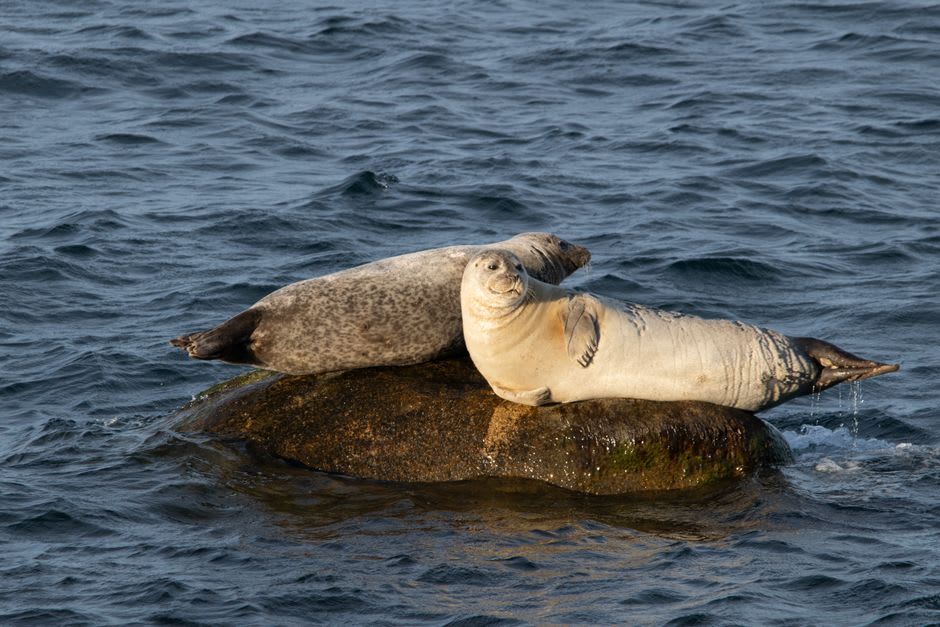
The Les Graves trail follows the coast from Grande-Grave out toward the peninsula’s tip, and roughly halfway along it I came across a haul-out of grey seals lounging on rocks just offshore, entirely unbothered by hikers passing twenty meters away. Further along, the trail narrows and climbs, and the view opens up in a way that felt almost aggressive after the gentler coastal walking earlier — cliffs on one side, open Gulf on the other, and almost nobody else on the trail even in what I was told was a reasonably busy August week. Whale sightings from shore are common enough that rangers post a rough daily count at the visitor center, something I hadn’t seen at any other national park.
Where the Mountains End
Standing at Cap-Gaspé, the true tip of the peninsula and the literal end of the Appalachian chain, there’s a lighthouse and not much else — just water in three directions and the sense of having reached an actual terminus rather than an arbitrary stopping point. It’s a several-kilometer hike from the nearest parking area, which keeps the crowds thin and the silence intact.
When to go: July and August for the best whale and seal viewing and full trail access; early September brings clearer air and noticeably fewer hikers on the Les Graves trail.