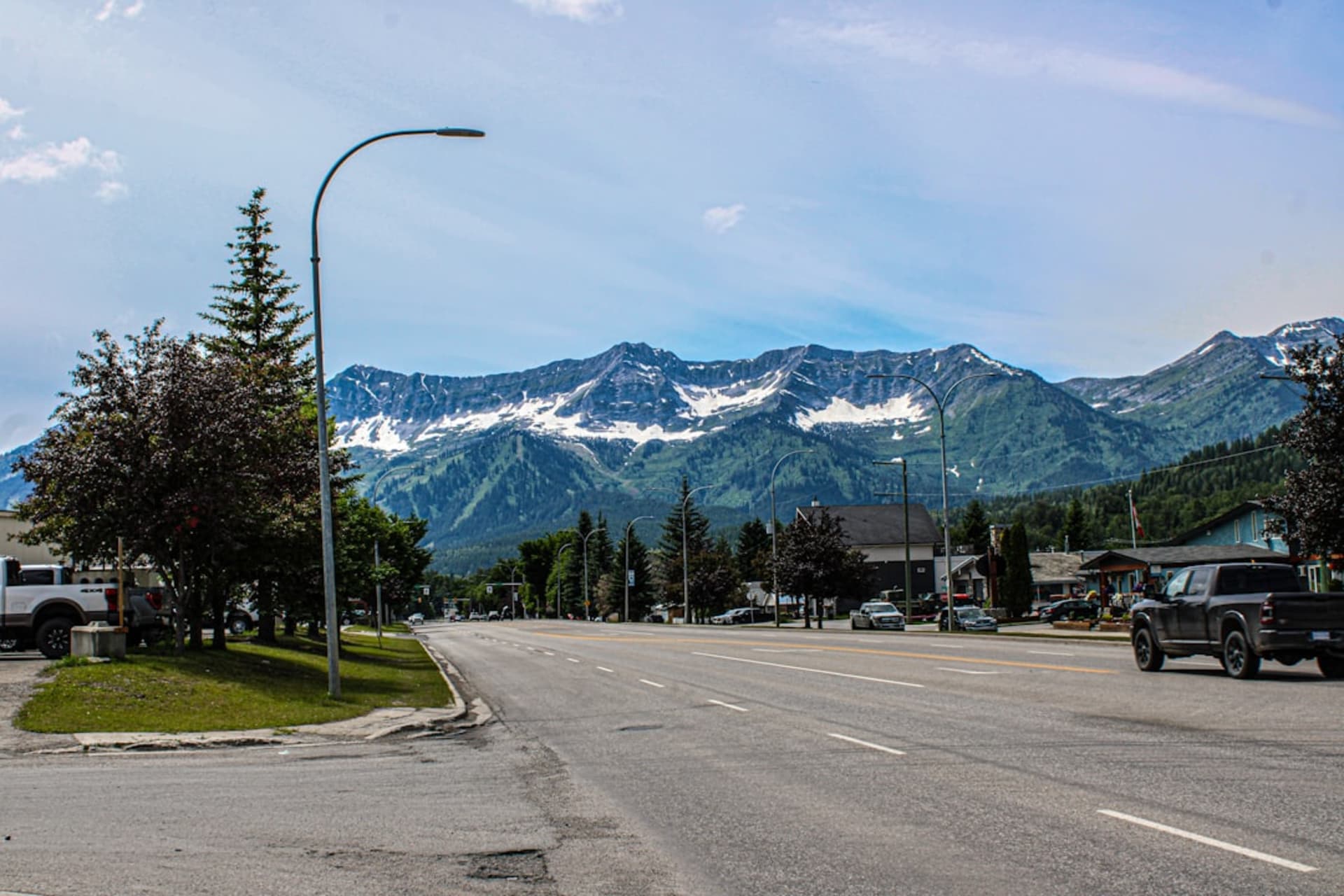
Fernie
"Fernie makes its own snow, its own legend, and its own weather, and it is not shy about any of it."
A coal-mining town turned ski destination deep in the Elk Valley Rockies, buried each winter in a legendary snow bowl beneath the shadow of Ghostrider.
The first thing anyone in Fernie tells you, usually within minutes of meeting them, is the story of Ghostrider — the outline of a man on horseback said to appear on the face of Mount Hosmer at sunset, formed by shadow and rock rather than anything supernatural, but treated with a seriousness that borders on civic pride. The town’s founder, William Fernie, is said to have angered a Ktunaxa chief over a broken promise involving his daughter, and the resulting curse of fire and flood supposedly explains a devastating 1908 blaze that levelled the original wooden townsite. Whatever you make of the legend, the rebuilt town that followed, all brick this time, sits in one of the more dramatic settings I have found in the Rockies, ringed almost entirely by the jagged limestone spires of the Lizard Range.
That geography is not incidental — it is the entire reason Fernie exists twice over, first as a coal town and now as a ski town. The Elk Valley has been mined for coal since the 1890s, and the industry never really left; you can still see active mines up the valley, hard-hat trucks sharing the highway with the ski traffic in a coexistence that feels almost quaint elsewhere in the world. I had a beer in a downtown pub with a retired miner who had moved straight from the mine payroll into a job grooming the resort’s runs, and he shrugged at the transition as if it were the most natural thing in the world, which, in Fernie, it apparently is.
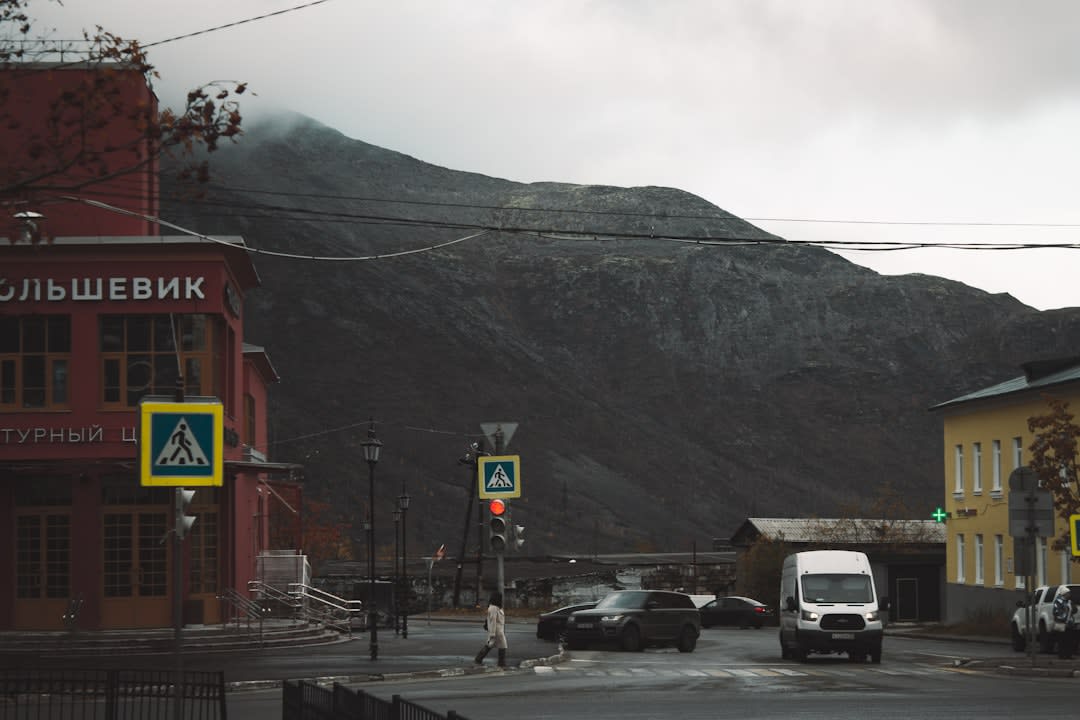
The snow bowl
What the mines produced by accident, the mountains produce by design: Fernie Alpine Resort sits inside a natural bowl formed by five alpine cirques, a shape that traps Pacific storm snow and stacks it absurdly deep, often over nine metres in a season. I skied a day there in a storm that never let up, visibility dropping to a few metres at times, and the locals around me treated the whiteout as simply the price of admission for snow that light and that deep, the kind that swallows a ski boot-deep on a flat run with no effort at all. The bowl shape also means the resort rarely needs to close lifts for wind, a small mercy that keeps a mountain this exposed skiable through weather that would shut down a more open-faced resort.
Summer turns the same terrain over to hiking and mountain biking, trails climbing straight into the cirques that hold the winter’s snow, and I found the town noticeably quieter then, locals reclaiming their own mountain before the next season’s storms arrive to bury it again.
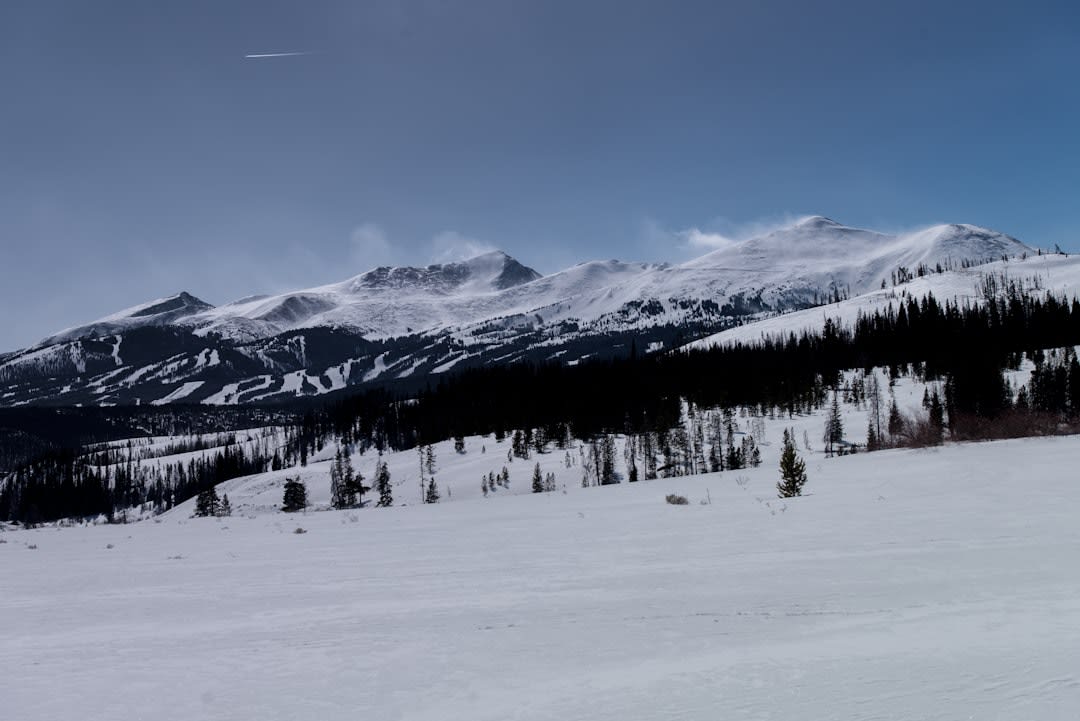
When to go: January and February for the deepest snow in the bowl; late June through September for hiking the same cirques under wildflowers instead of whiteout.