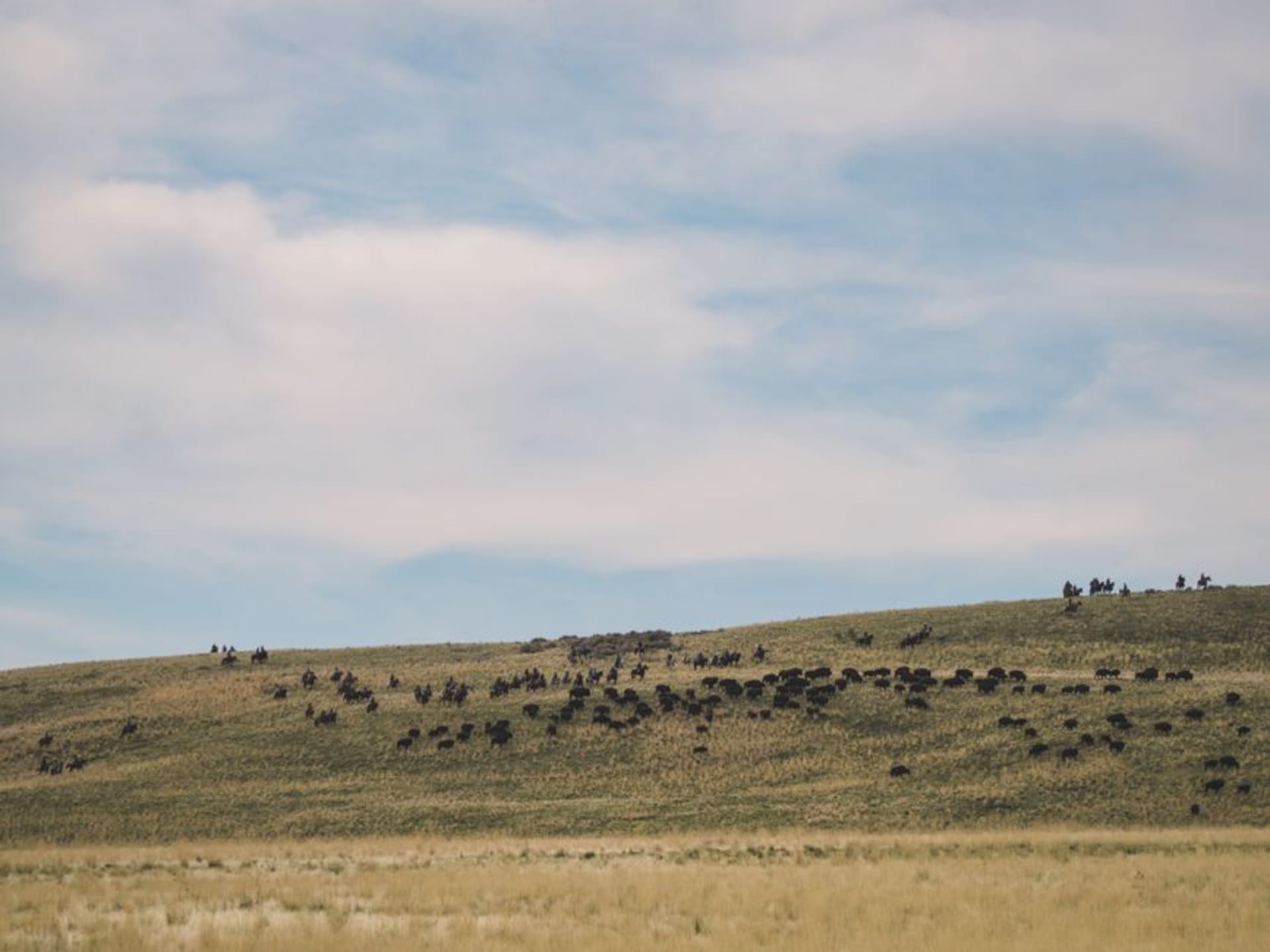
Elk Island National Park
"It's the only national park in Canada that's entirely fenced in, and somehow that makes the wildness inside it more concentrated, not less."
A fenced island of prairie and aspen parkland east of Edmonton where free-roaming bison herds, saved from extinction, still shake the ground when they run.
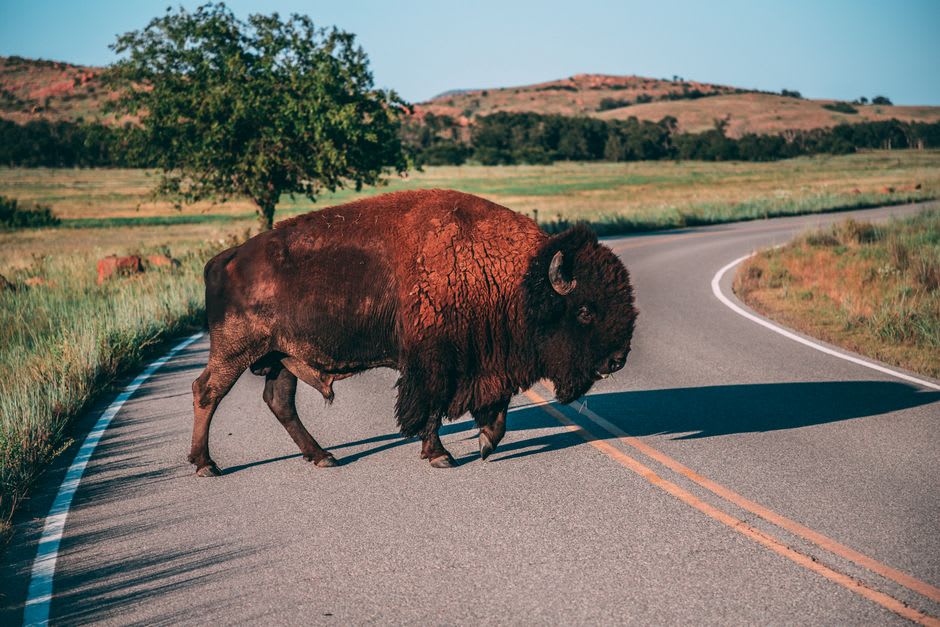
I almost missed the turnoff on Highway 16 east of Edmonton, which tells you something about how unassuming Elk Island looks from the road. No mountains, no glacier, just rolling aspen parkland and a sign warning you to watch for bison crossing. Twenty minutes later I was stopped in the middle of the road, engine off, watching a bull the size of a small car amble across the pavement with the unhurried confidence of something that knows it has no natural predators left to worry about. My French driving instincts screamed to honk. Every fiber of self-preservation said don’t.
What sold me on the place, though, wasn’t the bison — it was the quiet. Elk Island is genuinely fenced, the entire park perimeter, which sounds almost embarrassing until you learn why: this pocket of prairie became one of the last refuges for plains bison and wood bison when both subspecies were pushed to the edge of extinction in the early 1900s. Herds from here have since been shipped out to reseed populations across the continent, including animals that eventually helped restock Yellowstone. You’re standing in a place that quietly rebuilt a species.
Beaver country and dark skies
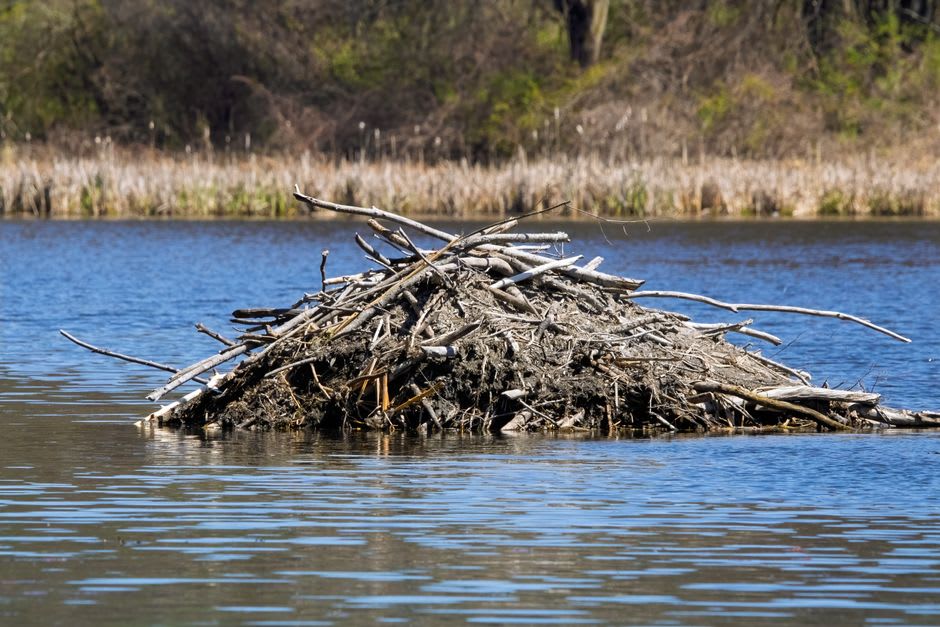
Beyond the bison, Elk Island is beaver country in a way I hadn’t expected. The park sits on the edge of the boreal forest and its many lakes are dotted with lodges — Astotin Lake alone has enough beaver activity that the interpretive signs practically apologize for the flooded trails. I canoed out one evening and watched a beaver tow a branch twice its size across water gone pink with sunset, utterly indifferent to my paddle fifteen feet away.
That same evening I stayed late enough to understand why Elk Island is also a certified dark-sky preserve, one of the first in the world. With Edmonton’s glow theoretically nearby, I expected a washed-out sky. Instead the Milky Way came in thick and granular, and a satellite or two crossed overhead before I gave up trying to identify constellations and just lay on the hood of the car.
A small park with an outsized job
At under 200 square kilometres, Elk Island is modest by Canadian park standards — you could walk across it in an afternoon if the bison let you. But that scale is exactly the point. Everything here is close, dense, and deliberate: plains bison in the south, wood bison in the north, elk moving through the aspen in numbers that gave the park its name long before the bison comeback became the headline. It felt less like a wilderness escape and more like a working sanctuary, one that happens to let you drive through it.
When to go: Late May through September for the best wildlife viewing and canoeing, though September brings the bison rut and a real spectacle of bellowing bulls. Clear winter nights are unbeatable for stargazing if you don’t mind the cold.