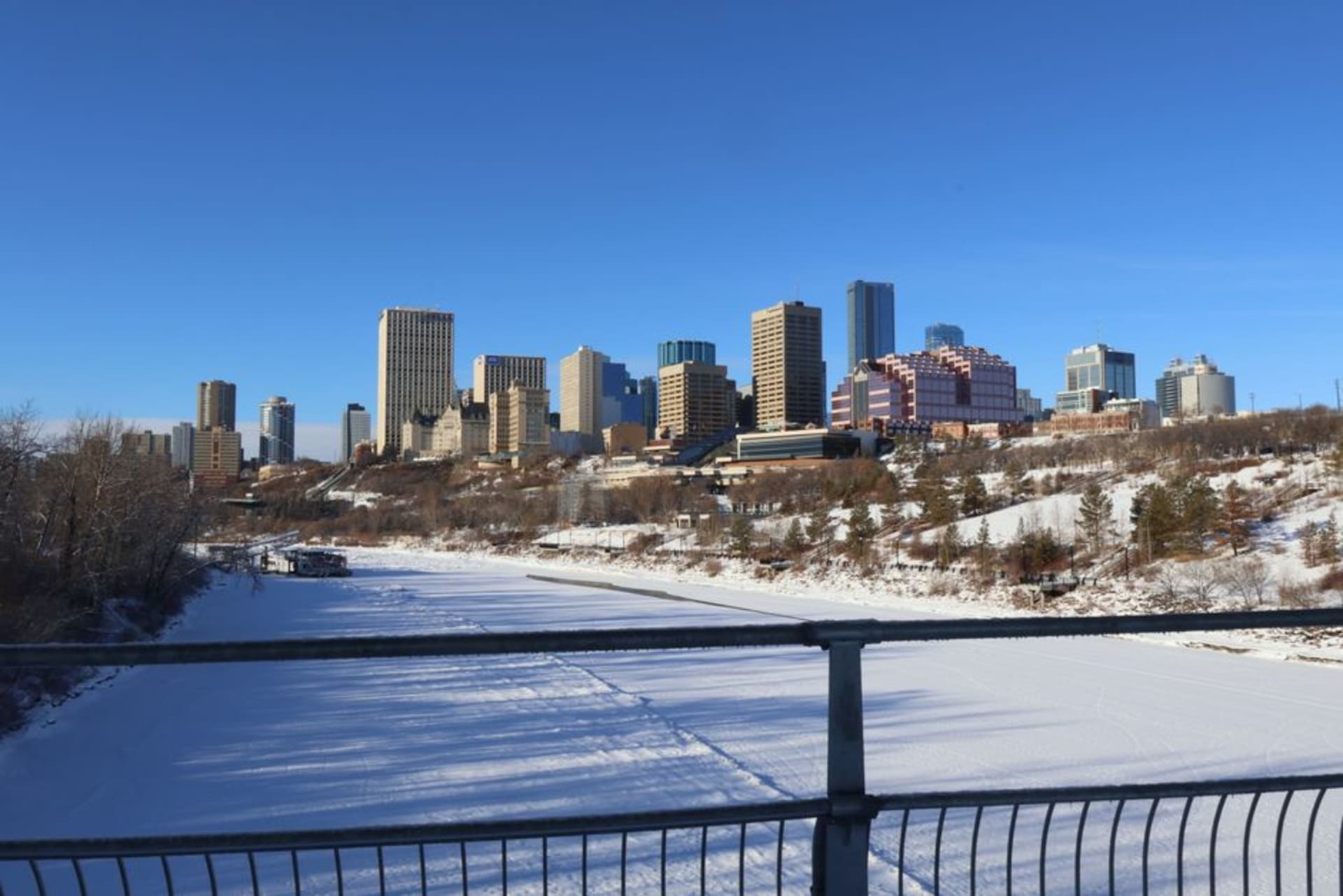
Edmonton
"Edmonton spends eight months a year proving that cold is not an excuse to stay inside."
Alberta's capital, built along the longest stretch of urban parkland in North America, with a mall-sized identity crisis and a festival calendar that refuses to let winter win.
Edmonton doesn’t get talked up the way Calgary does, and locals seem almost proud of the fact — it’s the government town, the university town, the one with the river valley, and I got the sense within a day that most Edmontonians have made peace with being underrated. I arrived expecting a smaller, quieter version of Calgary and instead found a city organized entirely around its river, the North Saskatchewan cutting a deep, wooded valley right through the middle of downtown that the city has protected as parkland for more than a century.
That river valley park system turned out to be the actual headline attraction, not a footnote — over seven thousand hectares of connected green space, reportedly the longest stretch of contiguous urban parkland in North America, more than twenty times the size of New York’s Central Park. I rented a bike near the legislature grounds and rode for three hours along river paths without once feeling like I’d left a forest, downtown towers occasionally visible through the cottonwoods far above the valley floor.
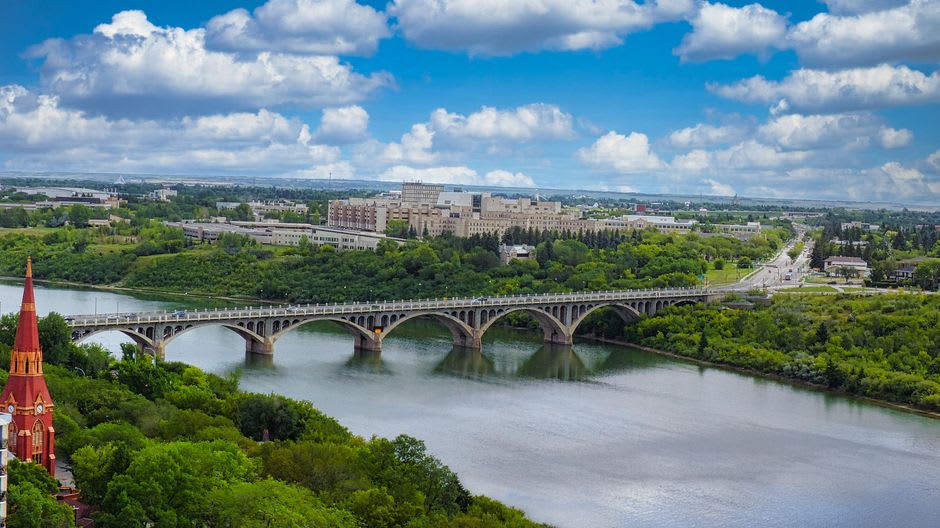
West Edmonton Mall and a city that refuses to hibernate
West Edmonton Mall opened in 1981 and, for a while, genuinely was the largest shopping mall on Earth — a title it has since lost to malls in Asia and the Middle East, but the scale still startled me walking in: an indoor water park, a full-size ice rink, a roller coaster, a recreated pirate ship floating in an indoor lagoon. It reads today less like a shopping destination and more like a monument to a very specific 1980s Albertan optimism, the same oil-boom confidence that built Calgary’s skyline, expressed here as an entire climate-controlled entertainment city rather than office towers.
What actually won me over was how hard Edmonton fights its own winter. This city sits far enough north that daylight in December runs barely eight hours, and rather than surrender to it, Edmonton has built one of the densest festival calendars in Canada, including the Fringe Festival every August, the second-oldest and one of the largest fringe theatre festivals in the world, when Old Strathcona fills with street performers and a genuinely fearless independent theatre scene. A bartender in Whyte Avenue told me the city’s unofficial motto should be “we don’t do subtle about seasons” — festivals for ice, festivals for heat, nothing left unclaimed.
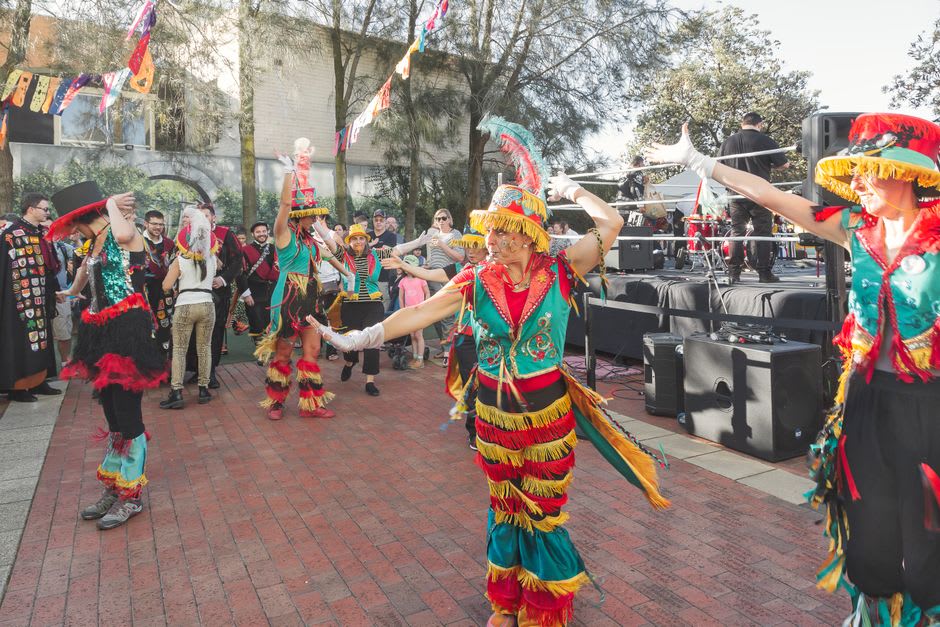
When to go: July and August for festival season and the longest daylight hours in the country. Winter, if you’re curious how a northern city handles genuine cold — Edmonton’s Ice Castle and Deep Freeze festivals are built for exactly that visitor.