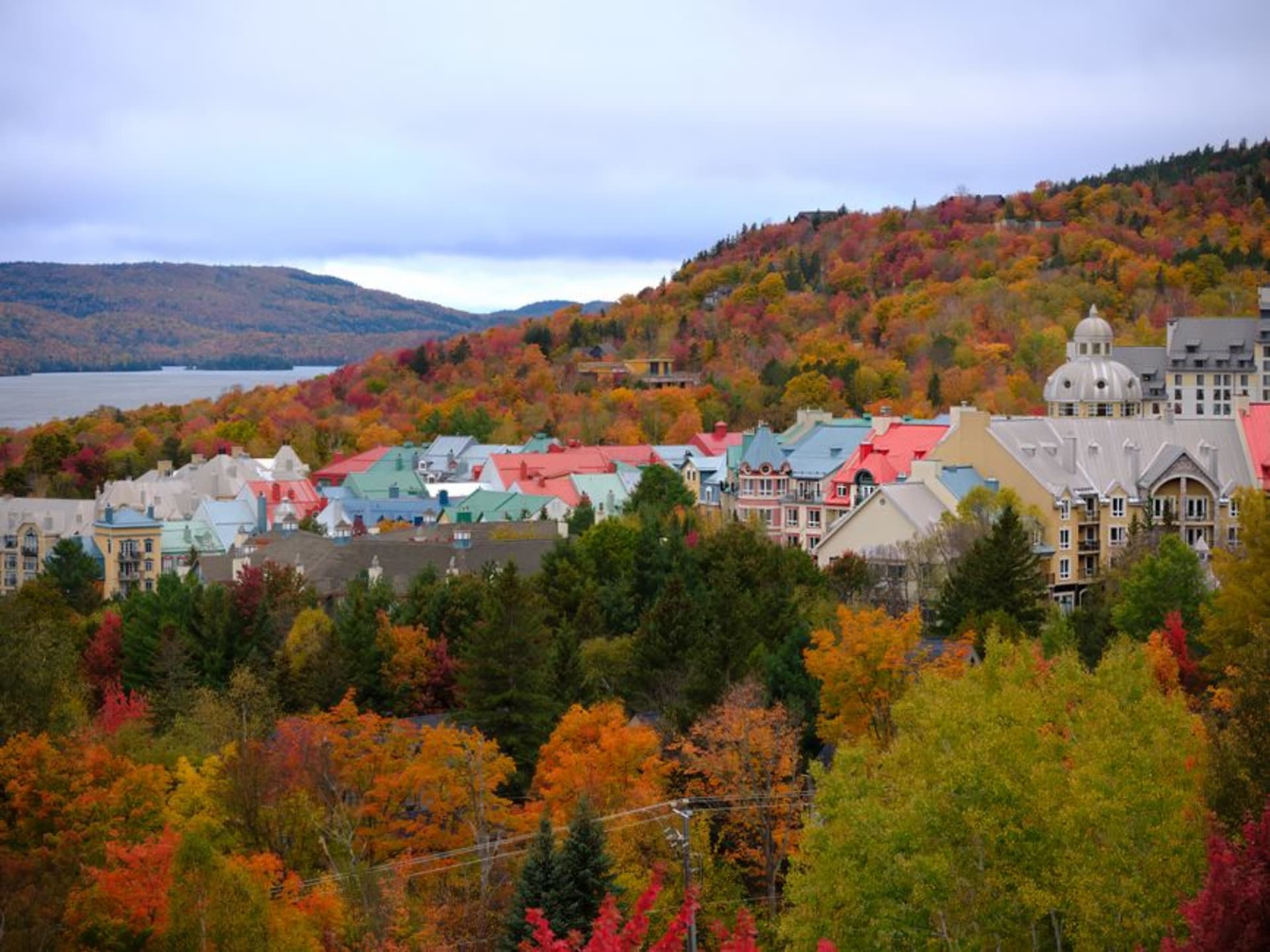
Eastern Townships
"An hour from Montreal, the highway just stops and Vermont-with-a-French-accent begins."
Quebec's rolling answer to New England — covered bridges, cider orchards, and a wine route unfurling between lakes and the Appalachian foothills southeast of Montreal.
I drove into the Eastern Townships expecting a scaled-down Laurentians and got something closer to Vermont with better cheese and a French accent. The region — Estrie, as it’s officially called now, though everyone I met still says “les Cantons de l’Est” — sits southeast of Montreal along the Appalachian foothills, and the moment you leave the autoroute the land starts rolling in a way that feels distinctly un-Quebec: hedgerows, dairy barns, white clapboard churches that could have been airlifted from Vermont. That’s not an accident. The Townships were settled largely by United Empire Loyalists fleeing the American Revolution, and the architecture never quite let go of that inheritance, even after Francophone farmers took over the land in the nineteenth century.
I came in mid-October, which I’d recommend to anyone who can manage it, because the sugar maples here turn a red so deep it looks bruised, and the region has none of the traffic that clogs the routes up to Mont-Tremblant during peak leaf season. Mont-Orford anchors the northern end of things, a modest mountain by Rockies standards but a proper one for hiking, with a lake at its base — Lac Memphrémagog — that’s long enough to feel like a fjord and famously home to a lake monster the locals call Memphré with total sincerity.
The Cider and Wine Route
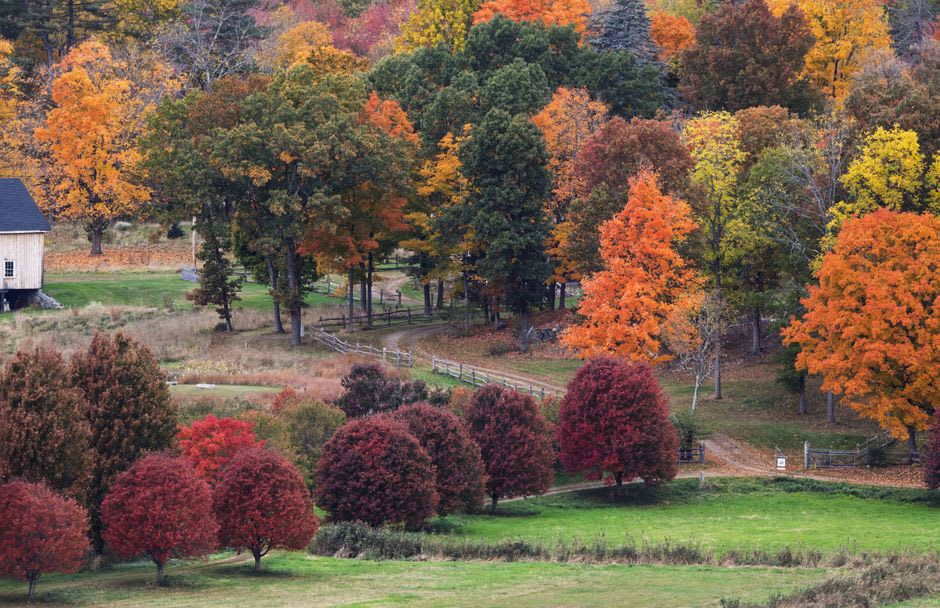
What surprised me most was how seriously the Townships take their orchards and vineyards. La Route des Vins winds through Dunham, Sutton, and a dozen tiny villages, connecting family-run wineries that have figured out, against Quebec’s brutal winters, how to grow cold-hardy grape varieties that actually make a decent glass. I stopped at a cidery outside Dunham where the owner walked me through her ice cider — apples left on the branch until the first hard frost concentrates the sugars — and it was sweeter and more complex than anything I’d tasted in Normandy, which felt like a betrayal to admit out loud. Covered bridges pop up on back roads with no fanfare, painted red, still carrying actual traffic instead of being roped off for tourists — I counted four in one afternoon of aimless driving.
Lake Life, Slower Pace
Lac Massawippi, near North Hatley, is where wealthy Montrealers have kept summer houses for a century, and the town itself has the manicured, slightly precious feel of a place that knows it’s charming. I preferred the rougher edges — Sutton’s ski-town main street in the off-season, a farm stand selling cheese curds so fresh they still squeaked.
When to go: Late September through mid-October for foliage and the cider harvest; summer for lake swimming and the wine route in full bloom, when every winery has a terrace open.