Dawson City
"The bartender dropped an actual severed toe into my glass and said the rule out loud, dead serious, like this happens every single night — which it does."
A wooden-boardwalk boomtown frozen at the peak of the Klondike Gold Rush, where a mummified toe still goes into your whiskey and the dredges never fully stopped digging.
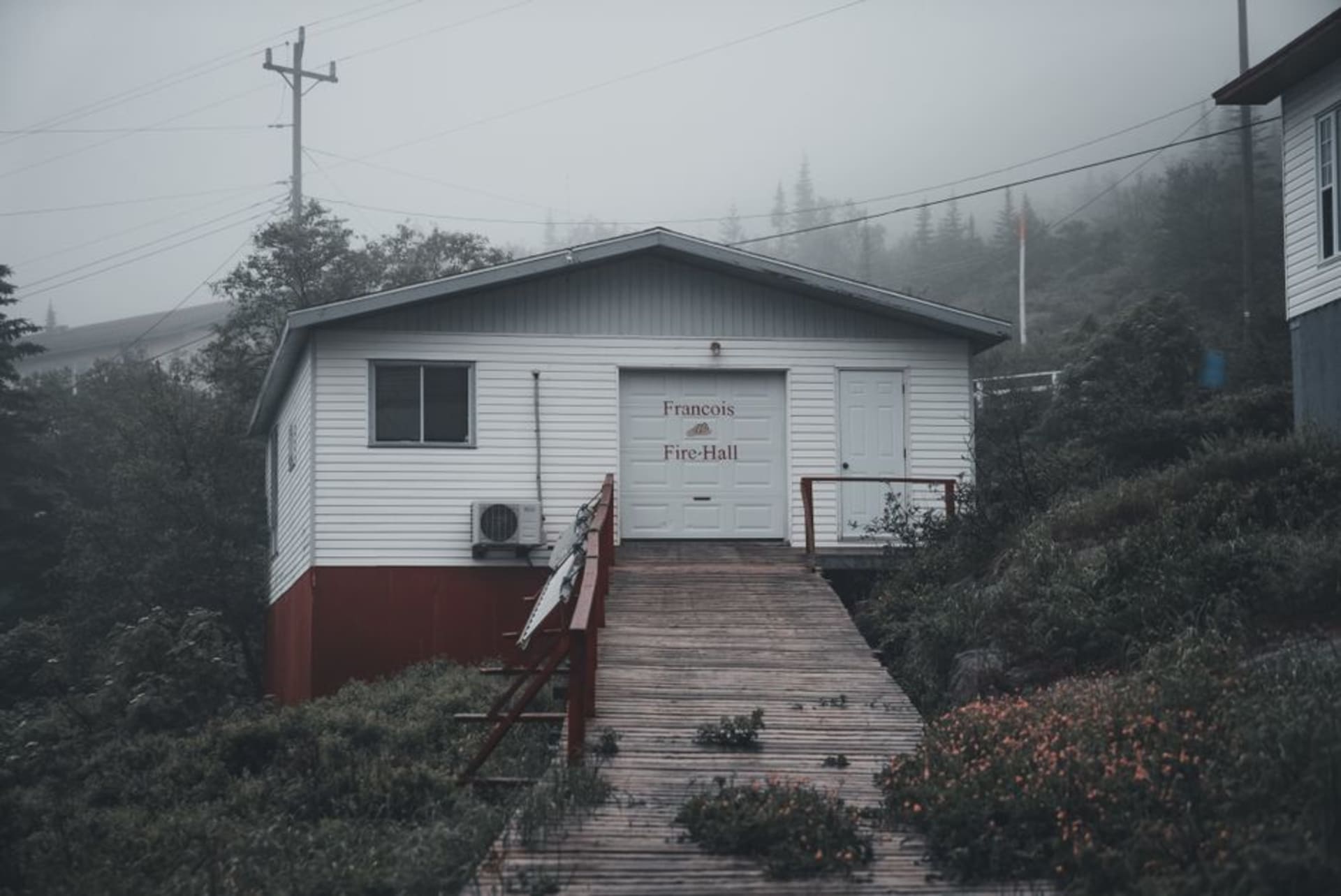
Dawson City announces itself before you arrive — the highway follows Bonanza Creek, and the hillsides are scarred with long sinuous piles of tailings, grey gravel ridges left behind by gold dredges the size of apartment buildings. Then the road drops into a grid of unpaved streets and false-fronted wooden buildings, sidewalks made of raised boardwalks because the permafrost underneath makes pavement crack and heave. In 1898 this was briefly one of the largest cities west of Winnipeg, thirty thousand people crammed onto a river flat chasing gold, and functionally none of the infrastructure has been allowed to modernize past that moment. It feels less like a preserved town and more like a town that simply never got the memo to stop being 1898.
The Sourtoe Cocktail
I’ll admit I went to Dawson partly for the toe. At the Downtown Hotel, there’s a nightly ceremony run by a “Toe Captain” in a captain’s hat, presiding over a shot of whiskey with an actual mummified, salt-cured human toe dropped into the glass. The rule, recited with total gravity: “You can drink it fast, you can drink it slow, but the lips have gotta touch the toe.” I drank it fast. The toe grazed my upper lip on the way past and I have never regretted a decision in a bar more instantly and completely. There’s a certificate afterward, and a small framed wall of past toes lost to overenthusiastic swallowers, which the club treats as a minor scandal each time it happens.
Writers, Dredges, and Still-Working Claims
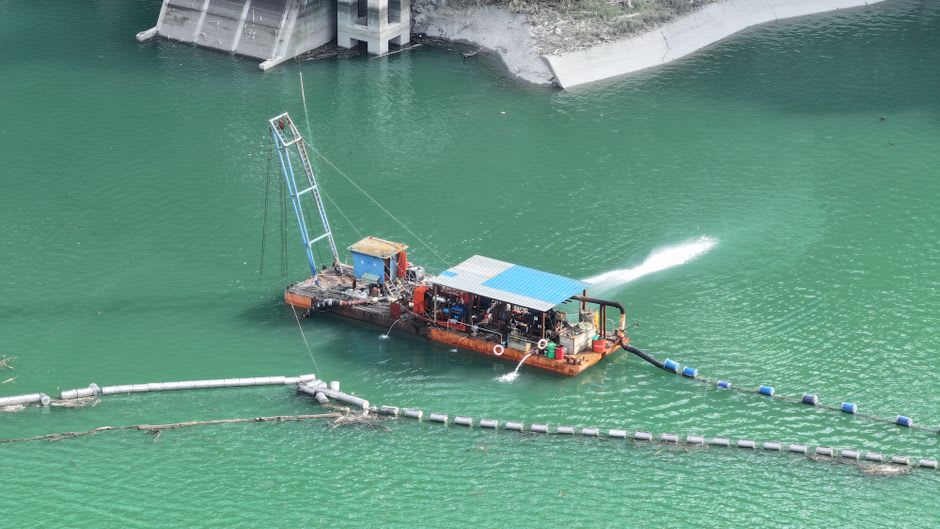
Dawson’s literary ghosts are everywhere if you look. Jack London’s cabin — relocated and reconstructed from his actual claim on Henderson Creek — sits near a reconstructed cabin for Robert Service, the “Bard of the Yukon,” whose poems about the Klondike were recited to me unprompted by an elderly local outside the post office, entirely from memory, entirely unbothered that I hadn’t asked. Dredge No. 4, a few kilometers out of town, is the largest wooden-hulled gold dredge in North America, a groaning mechanical beast that once chewed through the valley floor scooping gravel and spitting gold into sluice boxes; you can tour its rusted interior and understand instantly why the hillsides look the way they do.

What surprised me most is that gold mining here never actually stopped — small placer claims still work Bonanza and Eldorado creeks every summer, and you can pan for your own flakes at a public claim near the original 1896 discovery site, which I did badly for an hour and came away with a few grams of “colour” in a vial that I still have. That night I caught the can-can show at Diamond Tooth Gerties, Canada’s oldest legal gambling hall, and lost eleven dollars at blackjack to a dealer who seemed genuinely sorry about it.
When to go: June through August for the midnight sun and open river access; the town all but shuts down once winter hits, though a hardy handful stay through for the aurora and the deep, dry cold.