Crowsnest Pass
"Ninety seconds. That's how long it took Turtle Mountain to erase a town, and the boulders are still there to prove it."
A string of former coal towns in the southern Alberta Rockies, still living in the shadow of Turtle Mountain and the 1903 rockslide that buried a town in ninety seconds.
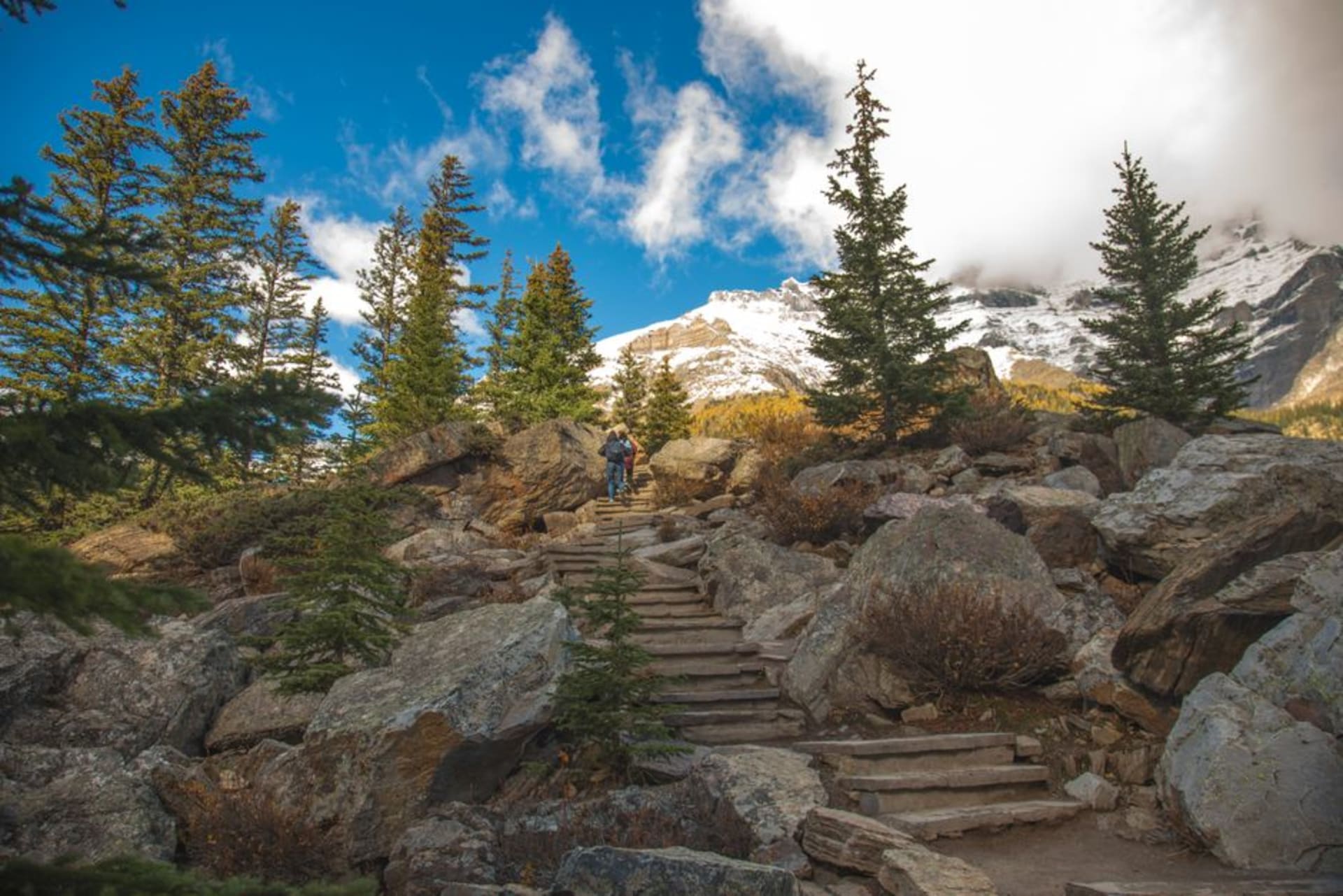
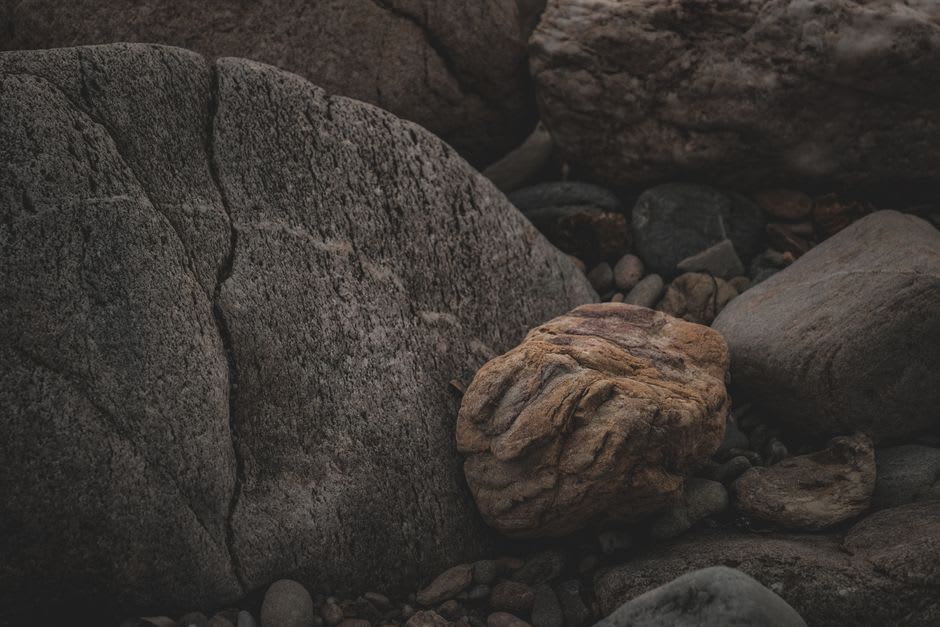
I drove into Crowsnest Pass from the west, coming down out of British Columbia, expecting a scenic mountain shortcut and not much else. Then the highway swings past a boulder field so enormous it takes a moment to register as natural — a slope of grey limestone rubble the size of a small city, stretching from the base of a mountain right up to the road’s edge. That’s the Frank Slide, and even before I read a single interpretive sign, something about the scale of it made me pull over.
In April 1903, a chunk of Turtle Mountain — some ninety million tonnes of limestone — let go without meaningful warning and buried part of the mining town of Frank in under two minutes. Somewhere between 70 and 90 people died, most of them still under the rock today, because digging them out was never really feasible. Standing at the interpretive centre, looking up at the mountain’s still-visible scar, it’s hard not to think about how casually the miners’ families must have gone to sleep the night before, in houses that no longer existed by morning.
Coal towns that outlived the coal
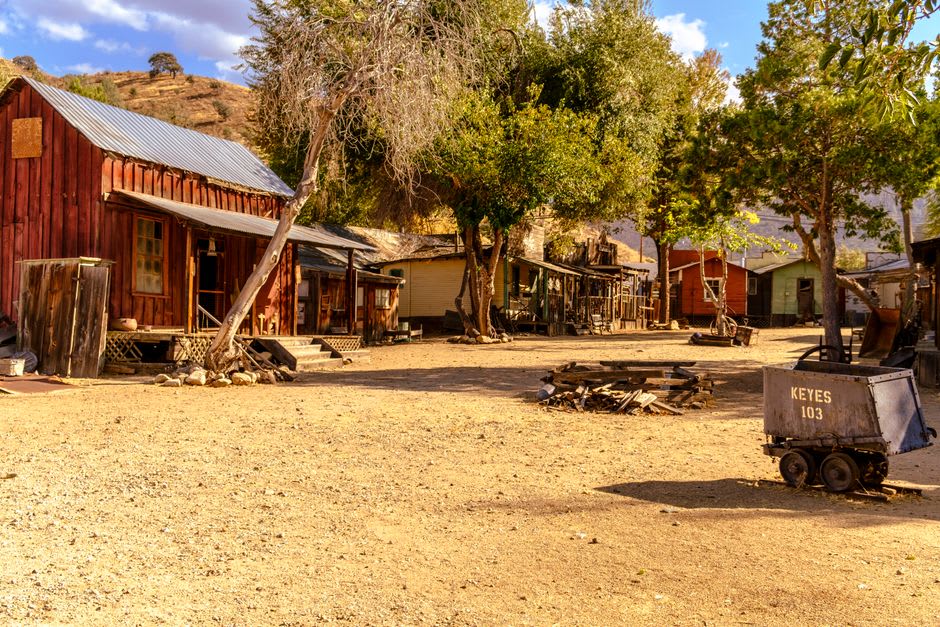
Crowsnest Pass isn’t just one disaster site — it’s a corridor of small towns, Blairmore, Coleman, Bellevue, Hillcrest, that grew up entirely around coal mining and never quite figured out what to be after the mines closed. Walking Coleman’s main street, the false-front buildings and old miners’ union hall have a preserved-in-amber quality, less curated than Banff’s tourist polish, more like a place that just kept going because moving on wasn’t an option for everyone. I toured the Bellevue Underground Mine, descending into a tunnel that felt colder and tighter with every step, led by a guide whose grandfather had worked the same seam.
The pass itself, incidentally, gives the region its name and its brutal weather — it’s a genuine wind funnel between two mountain ranges, and locals in the pub in Blairmore told me, with the flat pride of people who’ve stopped exaggerating, that gusts here have flattened parked trucks.
Living with the mountain
What stays with me about Crowsnest Pass isn’t the disaster itself but the fact that people still live directly beneath Turtle Mountain, which geologists will tell you is not finished moving. There’s a monitoring station on the slope today, sensors reading its every tremor, and yet Frank’s surviving edge and the neighbouring towns carry on as though the mountain has already done its worst. Maybe it has. Maybe that’s just what you tell yourself when the view is this good and the rent is this cheap.
When to go: Summer for hiking and full access to the interpretive centre; early autumn brings golden larches on the surrounding slopes and noticeably thinner crowds than the Rockies further north.