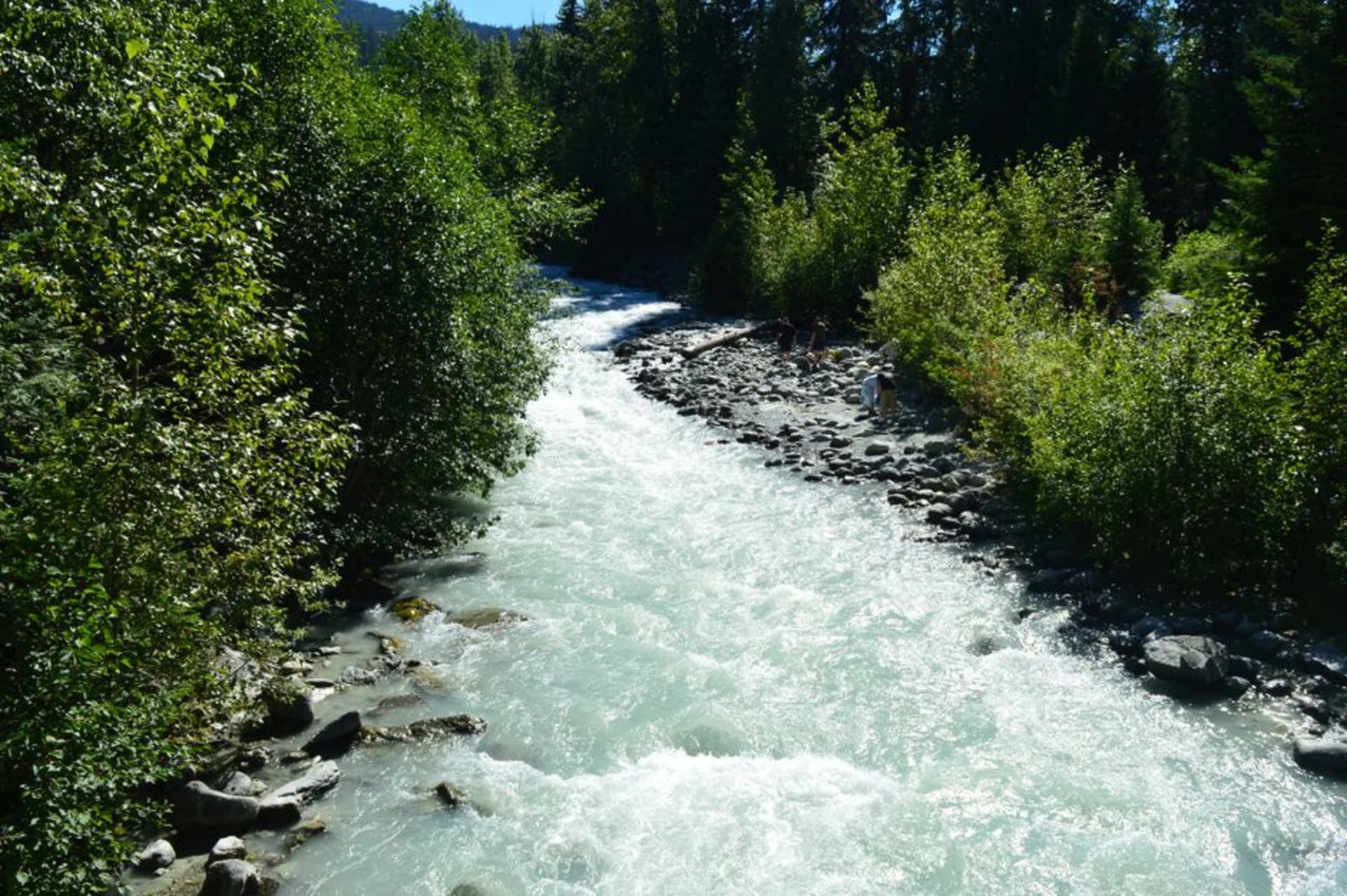
Cariboo Chilcotin
"Nobody comes here by accident, which is exactly why it's worth coming here on purpose."
British Columbia's interior gold rush country and wild-horse plateau — ranchland, ghost towns, and a silence that most visitors to Canada never encounter.
I ended up in the Cariboo Chilcotin almost by mistake — a detour off the Trans-Canada that a rancher in a diner near Williams Lake talked me into, insisting I hadn’t seen the “real” interior until I’d driven the backroads west toward the plateau. He wasn’t wrong. Within an hour the pavement gave way to gravel, the pine forest thinned into open rangeland, and I didn’t see another vehicle for what felt like half a day. This is a region roughly the size of a small European country, and I would guess most Canadians couldn’t point to it on a map.
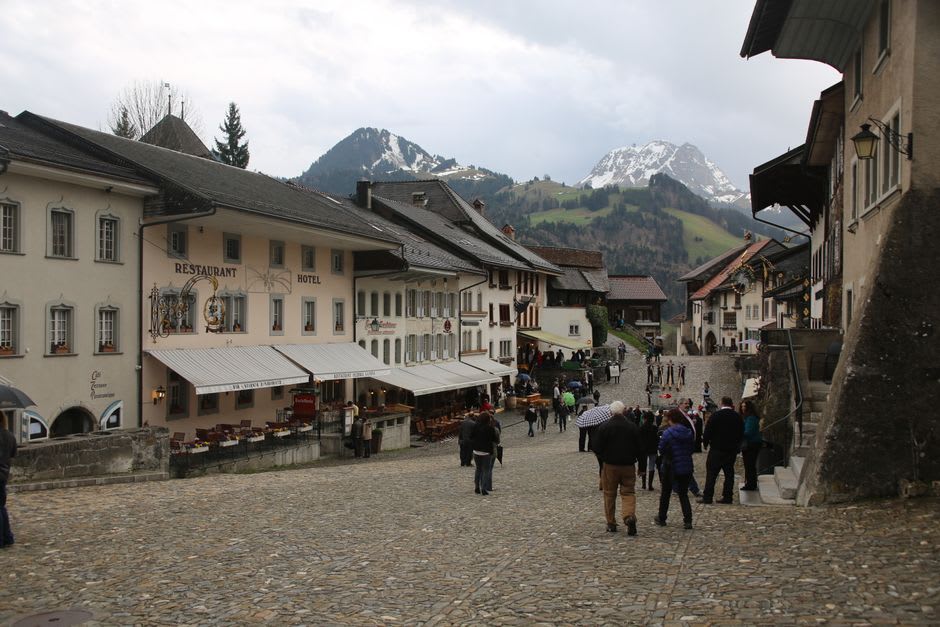
The Cariboo half of the name comes from the 1860s gold rush, and Barkerville is the reason to detour here in the first place — a restored gold-rush town so complete that costumed interpreters run the bakery and the saloon still pours something drinkable. It once held twelve thousand people and a claim to being the largest city west of Chicago and north of San Francisco, which is a wild fact to absorb standing in a town that now has a population you could count on two hands.
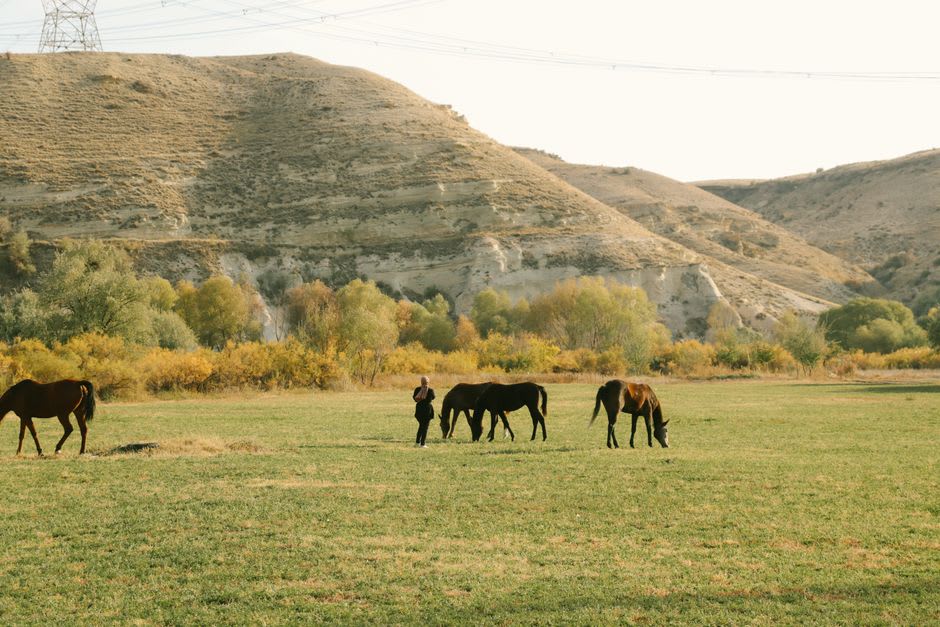
The Chilcotin Plateau and its wild horses
West of the Fraser River, the land opens into the Chilcotin Plateau, high grassland country that feels closer to Wyoming than to the glacier-and-rainforest Canada most visitors expect. This is one of the last places in North America with a genuinely wild horse population — descendants of animals that escaped or were released generations ago, now running semi-feral across the Nemiah Valley in bands that a Tsilhqot’in guide helped me track from a ridge with binoculars. He explained, without much sentimentality, how his community has fought for decades to protect this land and these horses from logging and development — the Dasiqox Tribal Park designation is recent and still contested, a live issue rather than a museum piece.
Ranching culture runs deep here too — this is cattle country, and the Cariboo still holds one of the highest concentrations of working ranches left in British Columbia. I stayed a night at a guest ranch outside Williams Lake where dinner was served at a long table with the family that ran the place, and the conversation drifted, as it does out here, to weather, cattle prices, and how much longer the wild horse herds could hold on against encroaching development. Nobody had a tidy answer.
When to go: June through September, when the backroads are dry and passable and the plateau grasslands are green rather than snow-covered. Fall brings the Williams Lake Stampede’s quieter cousin events and golden aspen along the river valleys.