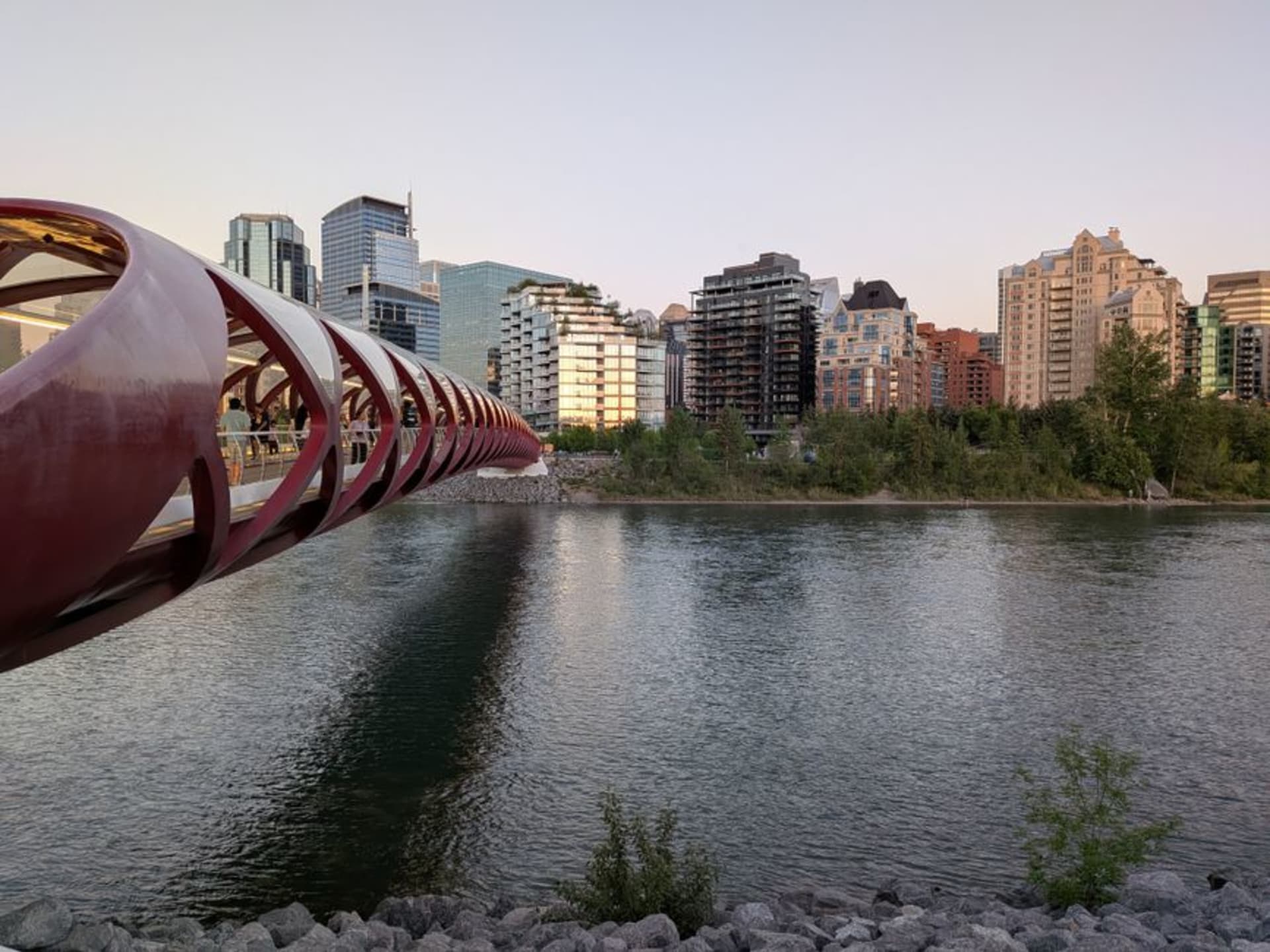
Calgary
"Calgary is a city that will sell you a boardroom and a belt buckle in the same afternoon, and mean both."
Alberta's oil-boom skyline meets small-town rodeo spirit — a city that spends fifty weeks a year in a suit and one week a year in a cowboy hat.
I landed in Calgary in July, which turned out to be either perfect or terrible timing depending on your appetite for cowboy hats — it was Stampede week, and the entire city had, overnight, put on western wear. Bankers in Stetsons. Bus drivers in bolo ties. A downtown core built on oil money, glass towers stacked against the foothills, suddenly playing along with a rodeo that started in 1912 and has never once considered toning itself down. I went to the Stampede grounds expecting a tourist trap and left having watched chuckwagon racing, which is basically demolition derby with horses, and eaten a deep-fried something I never identified.
The city itself, once the hats came off, revealed a more understated character. Calgary sits at the elevation where the prairies start folding into the foothills of the Rockies, and on a clear day you can see the mountains from downtown, a reminder that this is really a gateway city — most people passing through are en route to Banff, ninety minutes west, and treat Calgary as a layover rather than a destination. That undersells it.
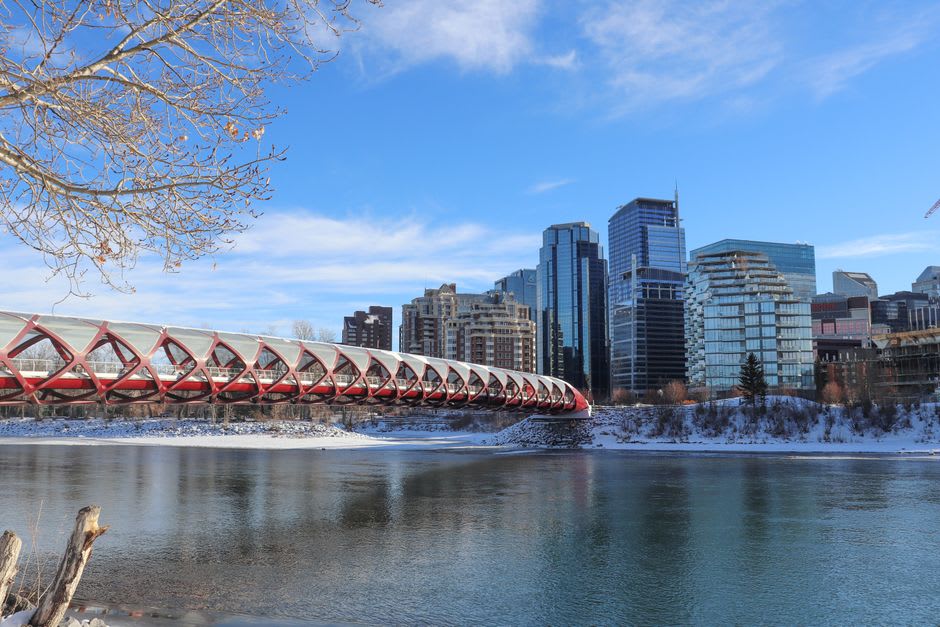
The river pathways and the boom-and-bust skyline
The Bow River pathway system is the thing that actually won me over — over eight hundred kilometres of paved trail threading along the Bow and Elbow Rivers through the city, used by everyone from serious cyclists to families with strollers to the inevitable coyote trotting along the bank at dusk. I rented a bike near Prince’s Island Park and rode for two hours without leaving green space, the downtown towers visible the whole time but never intrusive. Few North American cities have built this much accessible river frontage into their core.
Calgary’s skyline tells its own story of Alberta’s oil economy — booms in the seventies, eighties, and 2000s each left a taller tower, and the Bow, completed in 2012, still dominates from most angles. Talk to anyone who’s lived here more than a decade and you’ll get an unprompted history of layoffs and recoveries tied to the price of crude, delivered with the resigned humor of people who’ve watched the cycle repeat itself enough times to stop being surprised. The food scene has quietly become one of the best in western Canada on the back of that same boom money — Alberta beef done properly, and a craft brewery density that rivals cities twice the size.
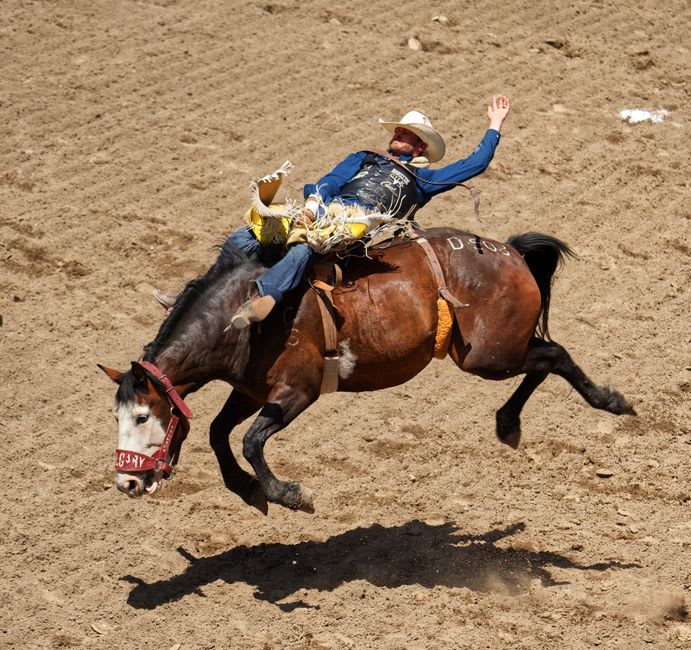
When to go: Early July for the Calgary Stampede if you want the full spectacle — book accommodation months ahead. May, June, and September for a quieter city with easy access to the mountains and none of the rodeo traffic.