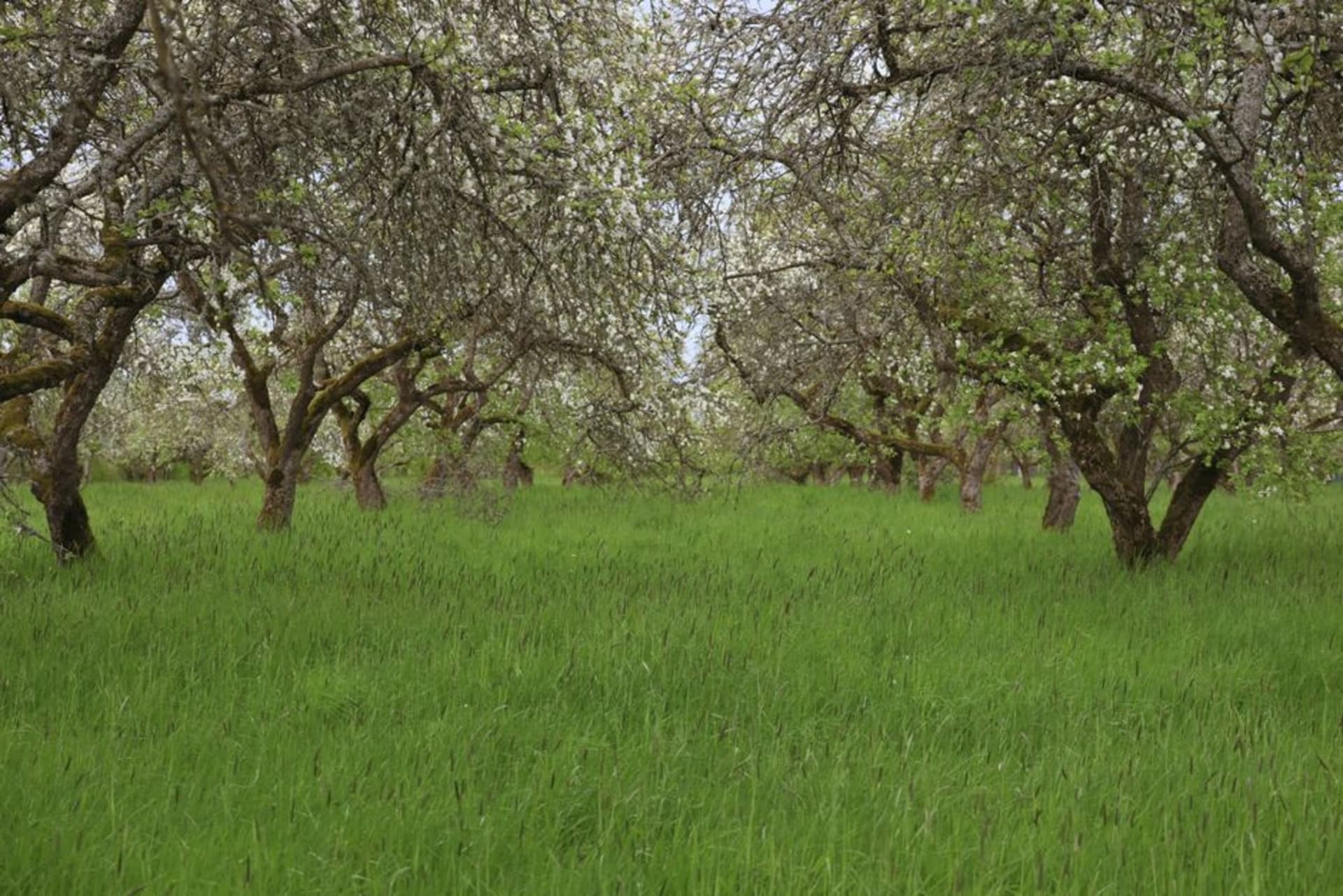
Annapolis Valley
"The prettiest farmland in Nova Scotia is also the site of one of its saddest chapters, and the valley does not hide from it."
Nova Scotia's fertile heartland, where Acadian dykes still hold back the Fundy tides and apple orchards grow on farmland whose original owners were expelled from it centuries ago.
The Annapolis Valley looked, from the highway, like it had been misfiled somewhere from Normandy — rolling farmland, orchard rows running to the horizon, red barns, a soft light that felt more agricultural than maritime. It took me a full day of driving its back roads before I understood that this softness sits directly on top of a hard history, and that the valley’s fertility is itself the result of engineering, not luck. The Acadians who settled here in the 1600s built an extensive system of dykes and sluice gates — aboiteaux — to reclaim marshland from the Bay of Fundy’s tides, turning some of the most powerful tidal flats on Earth into productive farmland. Some of those dykes, rebuilt and reinforced over centuries, are still holding back the tide today, meaning I was driving across land that has been actively defended from the ocean for over three hundred years.
That history turns heavy quickly. In 1755, British colonial authorities expelled the Acadian population from this valley and the surrounding region in what is now called the Great Expulsion, or Grand Dérangement — burning homes, seizing the dyked farmland the Acadians had built, and deporting families to the American colonies, England, and France, breaking up communities that in many cases never fully reunited. I stopped at Grand-Pré National Historic Site, built on the site of one of the largest Acadian settlements, where a memorial church and gardens now mark what was lost; the site’s quiet, deliberately unadorned memorial garden affected me more than a lot of grander monuments I have visited, precisely because of how understated it is.
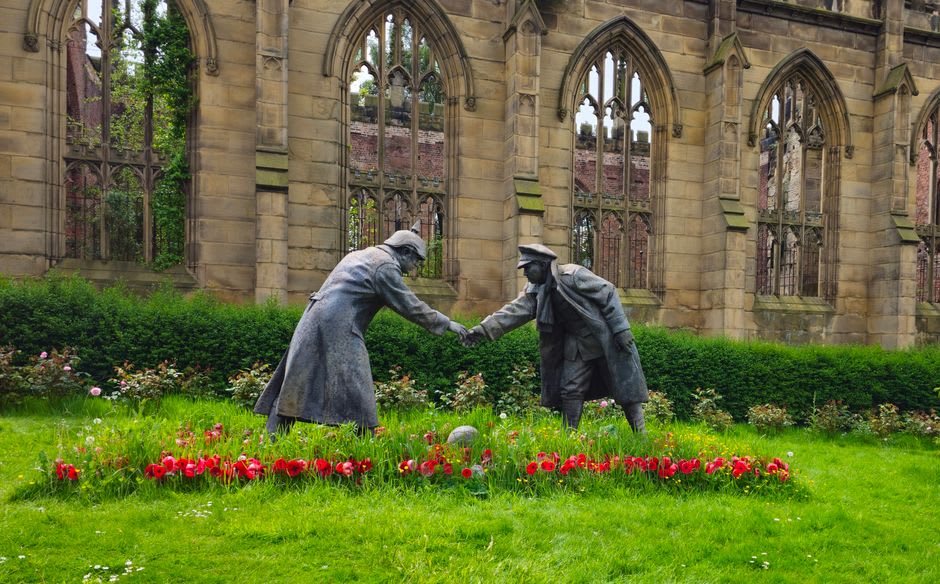
Orchards Where Marshland Used to Be
New England Planters and later immigrants resettled the reclaimed farmland after the expulsion, and it is their descendants, along with newer generations of Nova Scotian and immigrant farmers, who grow the valley’s apples today. I visited in early autumn, when the orchards around Kentville and Wolfville were mid-harvest, pickers working ladders between rows heavy with Honeycrisp and Gravenstein, the latter a variety the valley is particularly known for and one I had never tasted before this trip — tart, almost effervescent, entirely unlike the apples I grew up eating in France. A handful of small wineries have taken advantage of the same fertile soil and the valley’s unusually long, mild growing season for this latitude, and I spent an afternoon tasting sparkling wines at a vineyard whose owner explained, half-joking, that the valley’s microclimate exists because the Fundy tides moderate the temperature swings that would otherwise make wine here impossible.
Cape Blomidon
At the valley’s northern edge, Cape Blomidon rises in red sandstone cliffs above the Minas Basin, offering a view down onto the same tidal flats the Acadians dyked centuries ago. I hiked up in late afternoon and watched the tide pull out across the basin in real time, exposing kilometres of red mudflat that glowed almost orange in the low sun, the same colour as the cliffs themselves. A Mi’kmaq legend holds that the cape is the home of Glooscap, a central figure in Mi’kmaq oral tradition, and the site carries spiritual significance that predates the Acadian dykes by a considerable margin — one more layer in a valley that keeps revealing how much history is stacked into land that, from the highway, just looks like pretty farm country.
When to go: Late September through early October for apple harvest and the valley’s own foliage season, quieter and less crowded than Cape Breton’s. Late spring brings apple blossoms across the orchards, arguably the valley’s single prettiest week, though the exact timing shifts year to year with the weather.