A vast rainforest looped by a river, where gorillas move unseen and the Baka know every trail by heart.
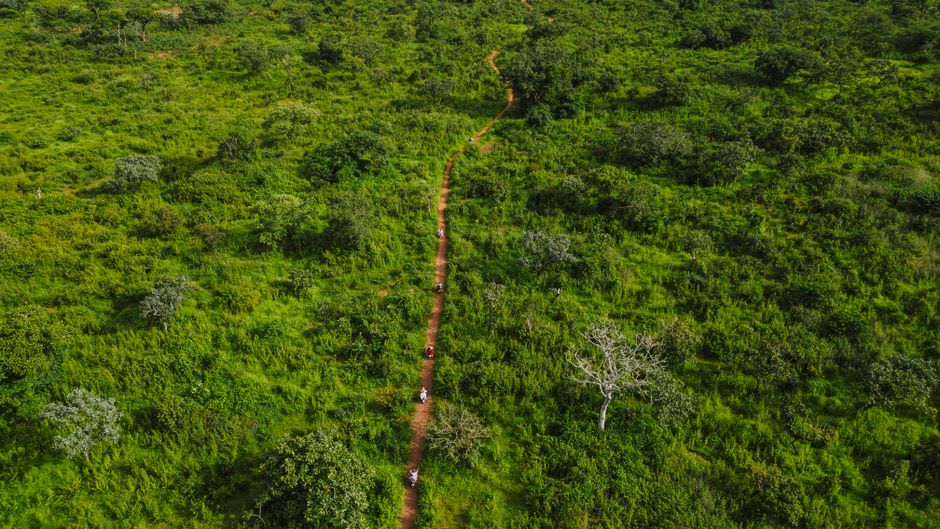
I’d read the number before we left Yaoundé — 5,260 square kilometres — and it meant nothing to me until we were three hours off the last paved road, the truck grinding through red mud, and Lia said “so where does it start?” and our guide just laughed and pointed at the wall of green ahead. It didn’t start anywhere. It had been going on around us for an hour already. The Dja Faunal Reserve doesn’t announce itself with a gate or a sign; it just gets denser, darker, older, until you realize the canopy hasn’t let real sunlight through in twenty minutes.
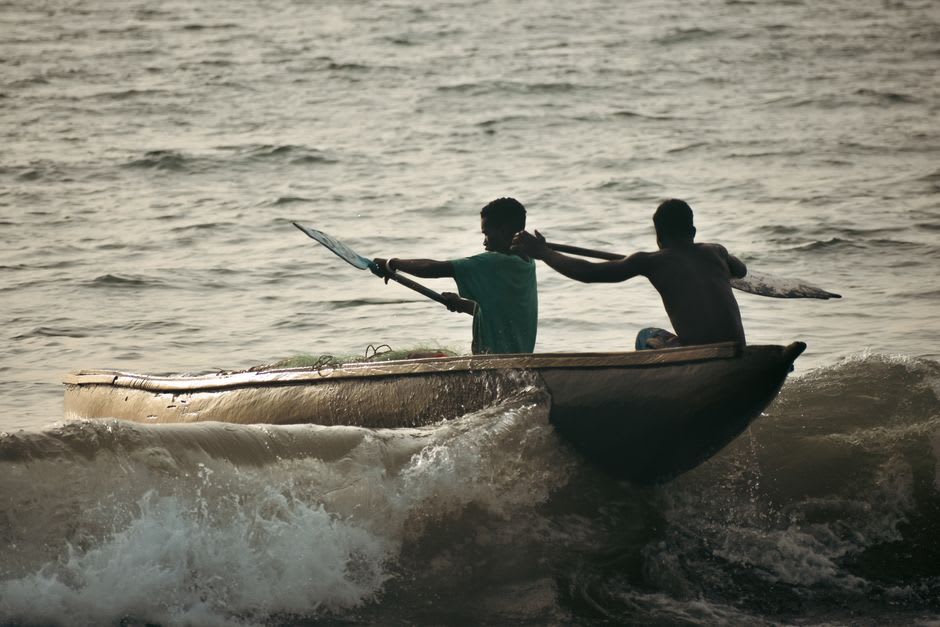
What got me, more than the size, was the water. The Dja River wraps around more than 90 percent of the reserve’s edge, so the whole place sits like an island that forgot it was landlocked. We crossed it twice by dugout canoe, and both times our guide cut the outboard motor halfway across and just let us drift for a minute, listening. He said the river is the reason the gorillas and the elephants have somewhere left to go — it’s done more to keep loggers and poachers out over the decades than any fence could. Established back in 1950, this is one of the best-protected blocks of primary rainforest left on the continent, and floating on that brown water, engine off, I believed it.
We never saw a western lowland gorilla — I want to be honest about that, because every account I’d read before going made it sound almost guaranteed, and it isn’t. What we got instead was three days of evidence: knuckle prints pressed into soft mud, a nest of bent branches our tracker said was maybe a day old, chimpanzee calls somewhere off to the left that made the hair on my arms stand up even though we never spotted them. Our guide, who grew up on the reserve’s edge, moved through it all like he was reading a newspaper — this print, this dropping, this broken stem, all of it telling him a story I couldn’t see. He’d spent time with Baka communities who still hunt and gather inside and around the reserve, and it was clear his knowledge of the forest came as much from them as from any ranger training.
By the last evening, sitting by the fire with mud still caked to my knees, I understood why so few people make it out here compared to Cameroon’s more accessible parks — there’s no infrastructure to speak of, no lodge with a pool, nothing convenient about any of it. That’s precisely why it still works. Over a hundred mammal species live in a place that mostly gets left alone, and Lia said something on the drive back that stuck with me: that the emptiness of the reserve, the total absence of other tourists, wasn’t a gap in the experience. It was the experience.
When to go: Aim for the dry season, December through February — the forest trails turn to something closer to walkable then, rather than the thigh-deep mud we’d have faced any other time of year.
Keep exploring
More from Cameroon
 cameroon
 Douala
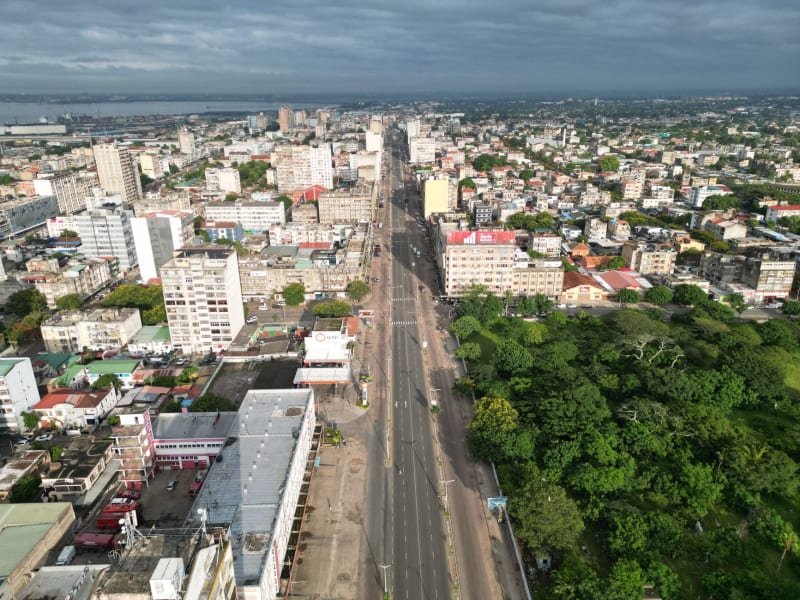
Cameroon's chaotic port city runs on hustle and street-food smoke, and rewards those patient enough to look past the rust.
Explore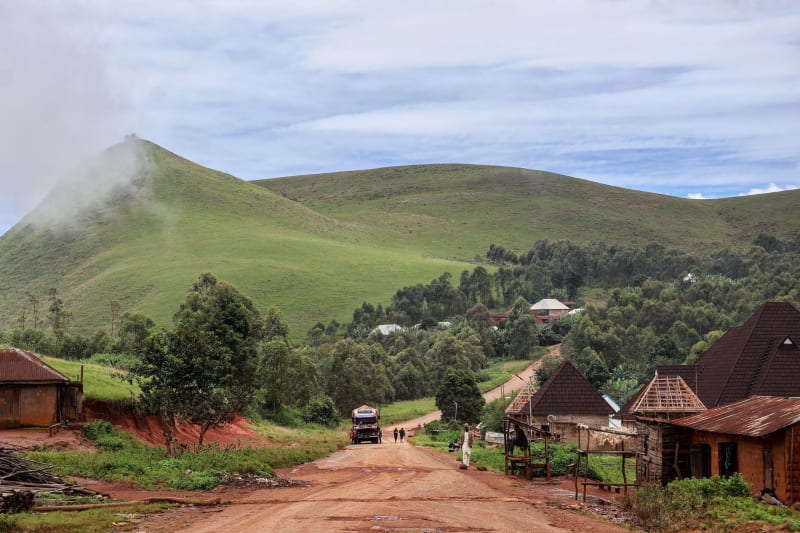 cameroon
 Foumban
The ancient Bamoun sultanate capital holds one of Central Africa's most powerful royal palaces and a living craft tradition that has outlasted every colonial disruption.
Explore cameroon
 Korup National Park
One of Africa's oldest and most biologically dense rainforests, entered across a swaying suspension bridge into a green world that predates the last ice age.
Explore cameroon
 Kribi
A small coastal town where waterfalls pour directly into the Atlantic and the grilled lobster costs less than a beer back home.
Explore cameroon
 Limbe
A small Anglophone coast town with black volcanic beaches, a 19th-century botanical garden, and more rescued gorillas than it knows what to do with.
Explore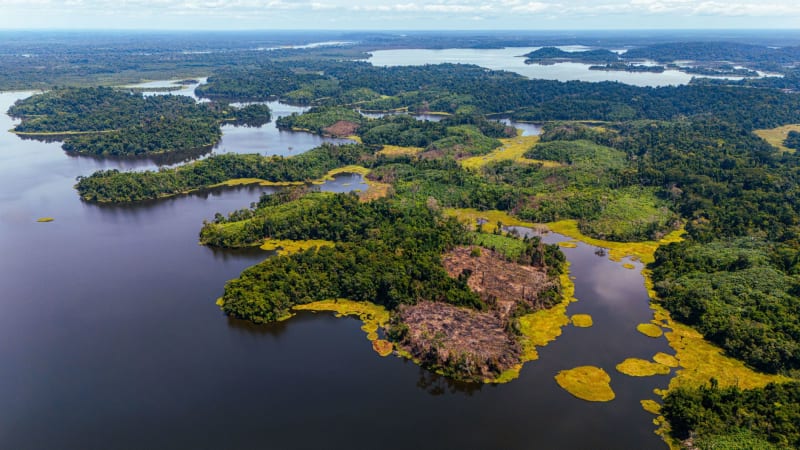 cameroon
 Lobéké National Park
A remote corner of the Congo Basin rainforest sheltering forest elephants, western lowland gorillas, and the Baka people who know every tree in it.
Explore