
San Diego
"In San Diego I am always twenty minutes from Mexico, and that proximity is visible in everything that matters."
Coming into San Diego from the south is different from every other approach. You cross the border at San Ysidro — the busiest land crossing in the world, pedestrians and cars pouring through every hour of the day and night — and you are immediately in California but the flavour doesn’t change as abruptly as you might expect. The taco shops are still carne asada, the signs bilingual, the music bleeding from the car windows corrido rather than country. I walked across the border from Tijuana on a Friday afternoon and took the trolley north to Old Town and had the sense of crossing a line that exists mainly on paper. I felt at home in a way that cities a thousand miles north sometimes don’t produce.
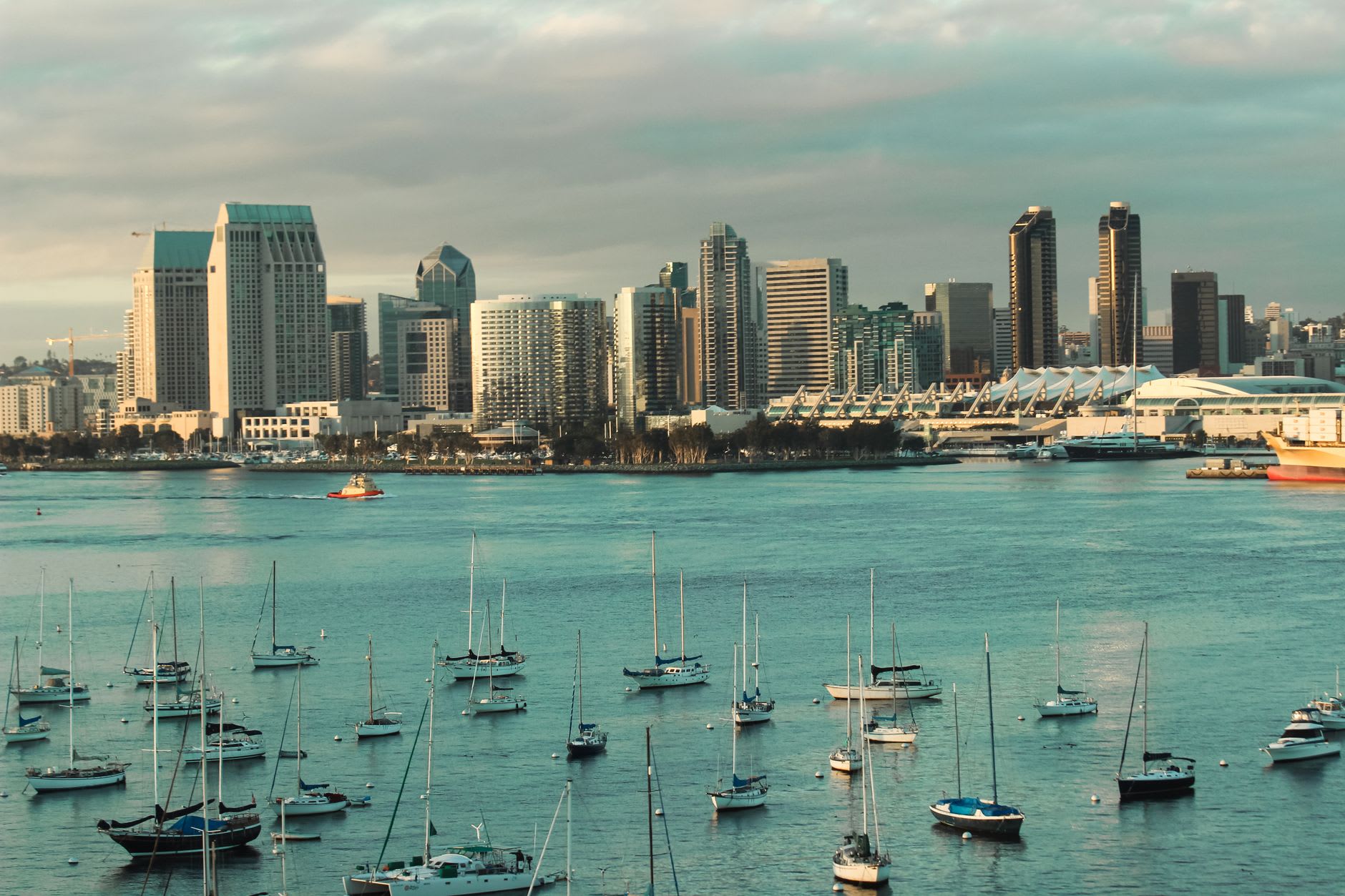
Balboa Park is one of the great urban public spaces in California — twelve hundred acres of gardens and museums and performance spaces in the middle of the city, framed by Spanish Colonial Revival architecture built for the 1915 exposition that makes every garden path feel like it leads to something significant. The San Diego Zoo is here, and the Museum of Man, and a natural history museum, and a sculpture garden where I spent an afternoon watching a man teach his daughter how to sketch a tree. The park’s Organ Pavilion holds one of the largest outdoor pipe organs in the world, and there are free concerts on Sundays. I didn’t plan around any of this — I found it by walking.
The Gaslamp Quarter downtown, where the Victorian brick commercial buildings have been converted into restaurants and bars, has a weekend energy that the rest of the week can’t match. But it is not where I want to eat. For food, I go to the little Mexico of Chula Vista to the south, or to the Vietnamese restaurants of Linda Vista, or most happily to the string of taco shops along University Avenue in North Park where the carne asada comes off a flat grill in pieces you roll yourself and the red salsa is the kind of simple-but-perfect that requires thirty years of practice to make look effortless.
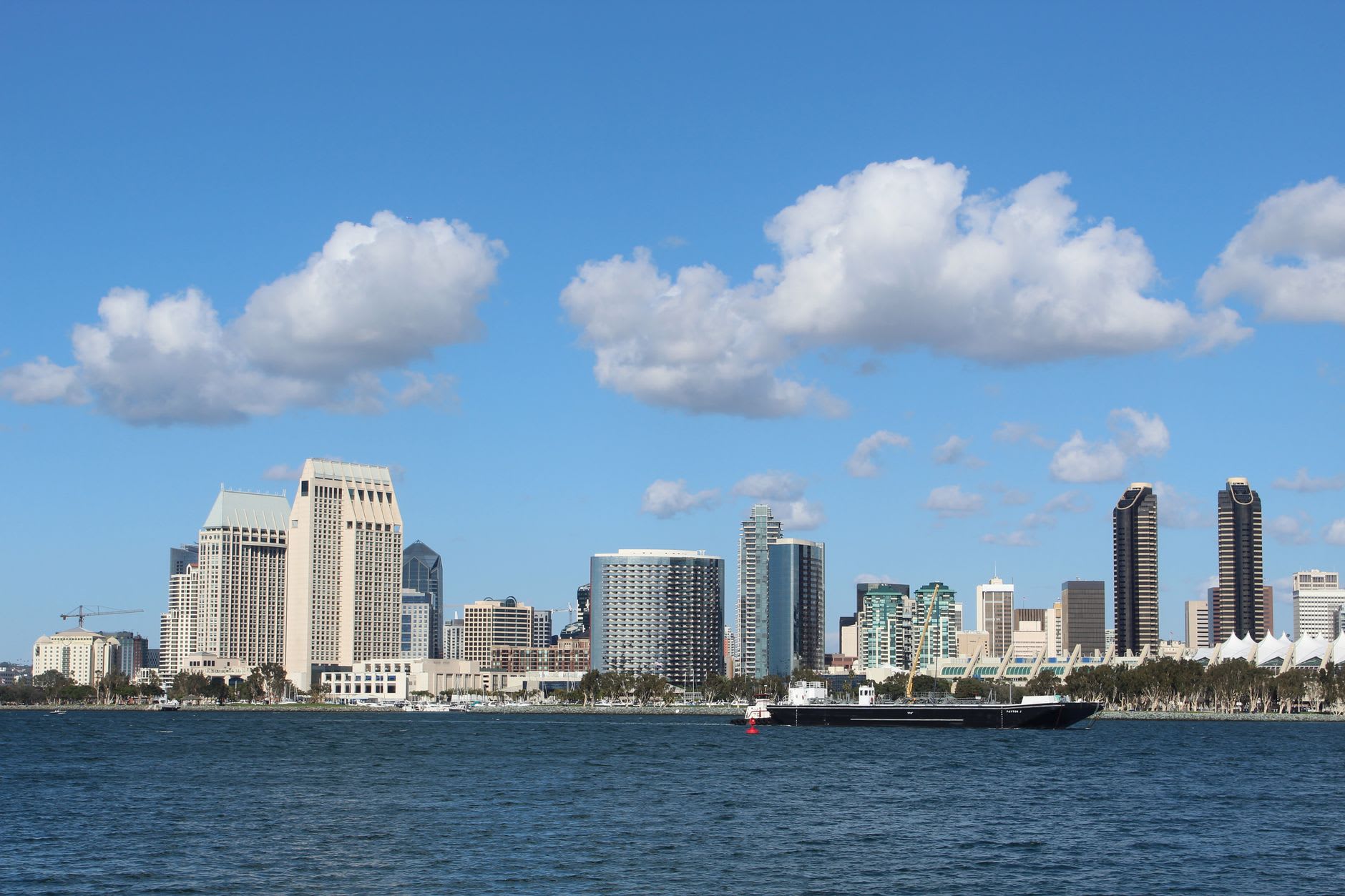
The beaches here are the most usable in California. San Diego’s geography protects them from the northern fogs and the worst of the swell, and La Jolla Cove, in particular, has a clarity to its water — the kelp forests just offshore, the leopard sharks that rest on the sandy bottom in summer, the sea lions on the rocks — that makes swimming feel like snorkelling. I went in twice in one afternoon. Point Loma, the long peninsula that forms the bay’s western wall, has the tidepools at Cabrillo National Monument, where at low tide the exposed reef holds hermit crabs and sea urchins and anemones in pools so still they look like glass.
When to go: Year-round, but San Diego’s finest months are May through October. June and July bring what locals call June Gloom — morning marine cloud that burns off by noon — but the afternoons are warm and clear. September and October are the best: warm nights, no fog, clear water. Winter is mild by any standard; rain arrives occasionally in January and February but rarely stays long.