
Los Angeles
"Los Angeles doesn't reward impatience. It rewards the person willing to go down the wrong street twice."
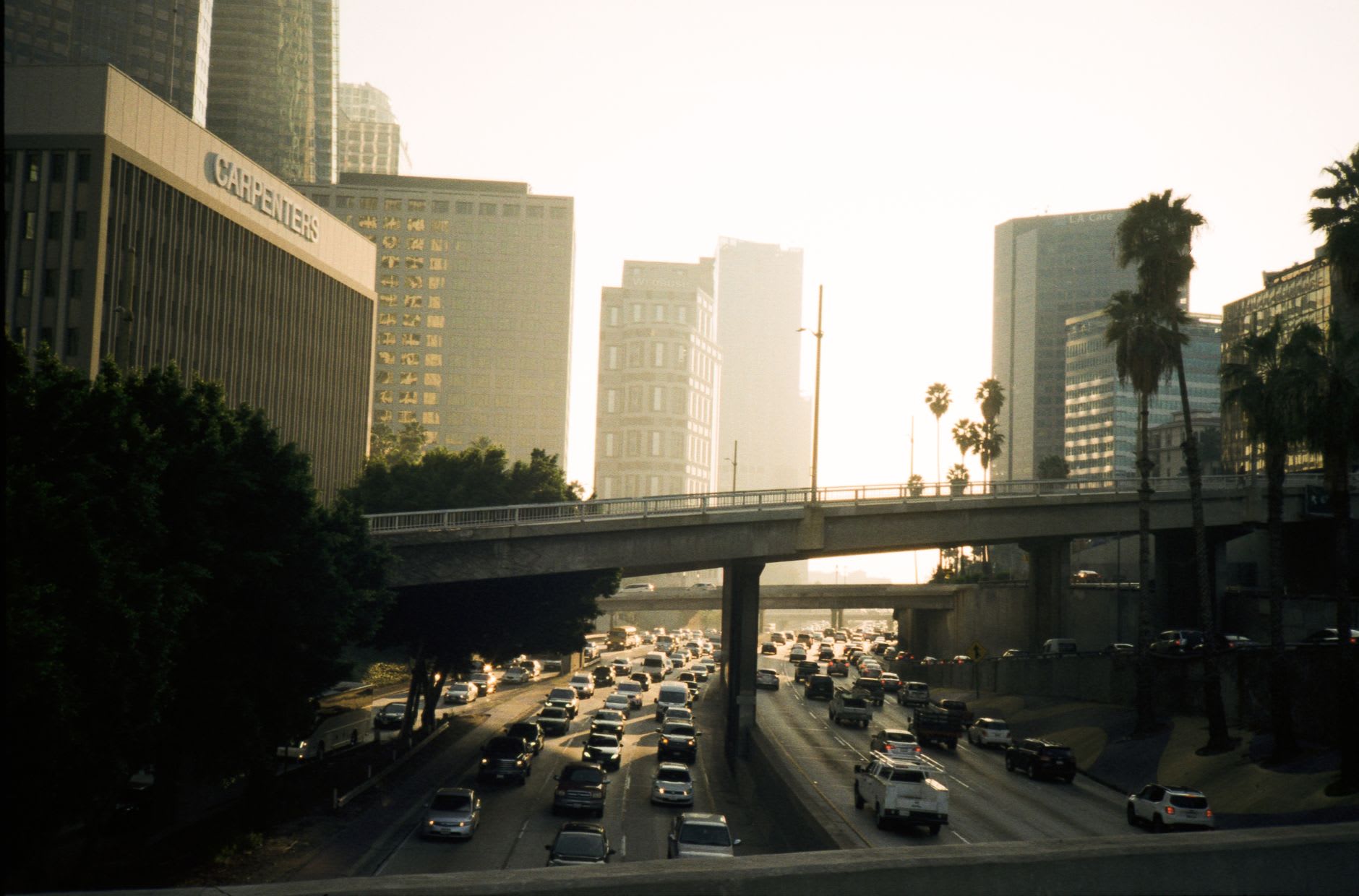
I came to Los Angeles for the first time from the south — from Tijuana, straight up the I-5 through San Diego and Orange County, the city announcing itself gradually through a thickening of exits and overpasses until suddenly I was inside it, the downtown towers visible ahead and the freeway eight lanes wide and all of it moving with that peculiar LA traffic rhythm that is simultaneously enraging and meditative. I exited at Silver Lake and got completely, contentedly lost for the next three hours. That is the correct way to arrive in Los Angeles. There is no other.
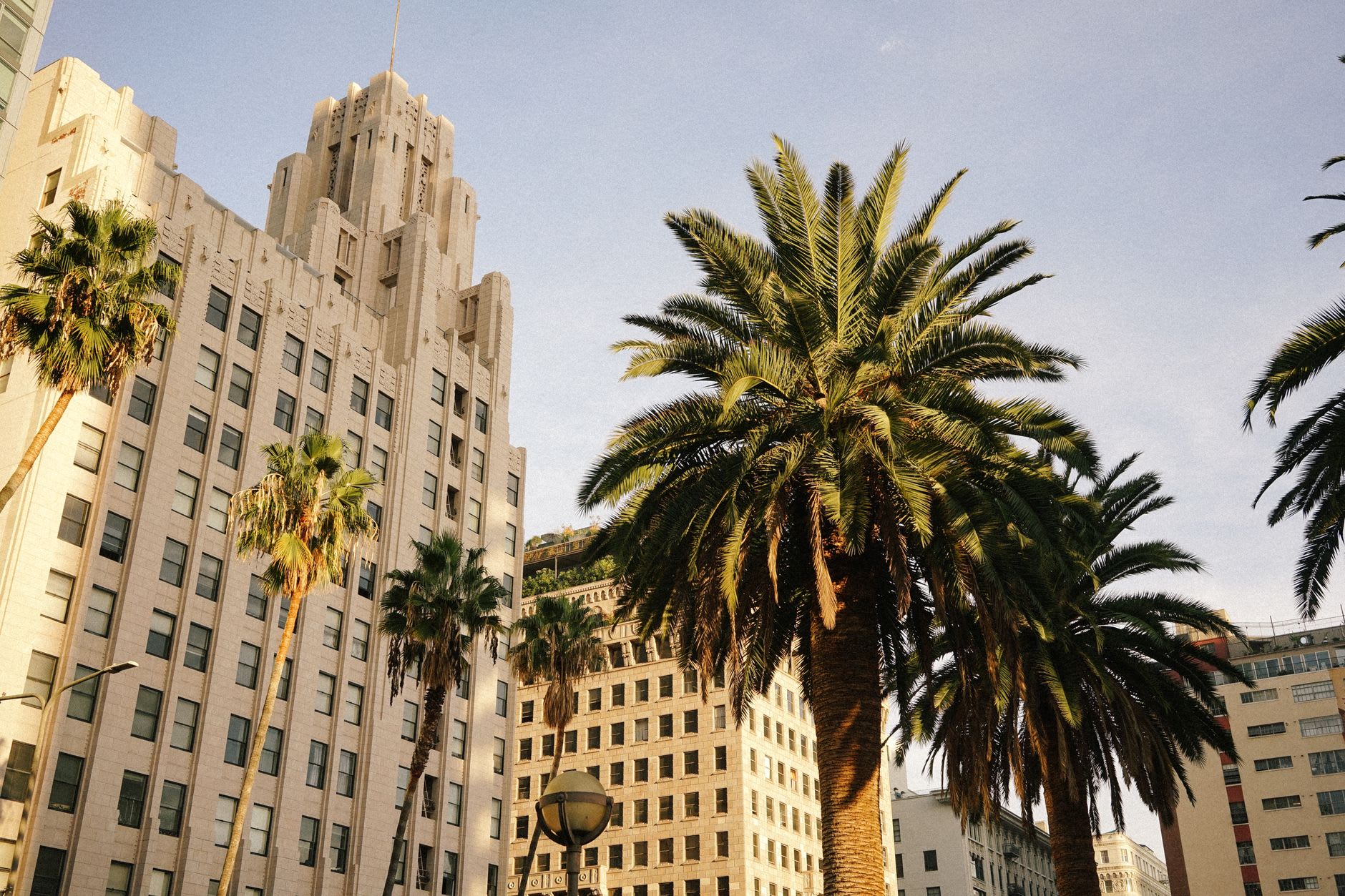
Los Angeles does not cohere in the way that cities usually do. It is a hundred distinct neighbourhoods and communities arranged across a basin the size of a small country, connected by a freeway system so vast that it generates its own weather patterns. Silver Lake and Boyle Heights and Leimert Park feel more distinct from each other than most European capitals feel from their suburbs. The Korean barbecue restaurants of Koreatown on Olympic Boulevard — where you sit at a ventilated grill and order galbi short ribs and eat them with banchan that keeps arriving and soju that keeps disappearing — operate a parallel universe to the Armenian bakeries of Glendale thirty minutes north by freeway. The San Gabriel Valley’s Chinese restaurant scene is so dense and so deep that people drive two hours from Santa Barbara specifically to eat in Alhambra.
I spent a morning at the Los Angeles County Museum of Art in a way I never expected to — not in the galleries, initially, but outside them, underneath the Urban Light installation of 202 antique cast-iron streetlamps arranged in a forest pattern on Wilshire Boulevard. They were lit even in daylight, and people moved between them with a slowness that suggested they were trying to figure out what the feeling was. It’s something between nostalgia and disorientation. Inside, the permanent collection has a breadth that California’s cultural reach makes logical — pre-Columbian goldwork, Japanese woodblock prints, Islamic geometric tilework, a collection of twentieth-century American painting with a Californian slant.
The taco trucks are the city’s best argument for itself. Not the Instagram-famous places with the hour-long queue, but the ones in the parking lots of mechanic shops in East LA, the ones that park outside the wholesale produce market in Vernon at four in the morning, the ones that know they don’t need anyone’s approval because the people who matter have been coming back since before the neighbourhood changed its name. I ate tacos de suadero from a truck on César Chávez with a plastic bag of salsa verde and a lime and standing up, and it was the best meal I had in California.
When to go: September and October are the warmest and driest months — the infamous Santa Ana winds arrive, the air turns crystal clear, and the light on the hills goes cinematic. Spring (March to May) is mild and occasionally green after the rains. December and January are quiet and cool with occasional rain; this is when the city feels most like itself, stripped of the tourist layer and operating on its own internal logic.