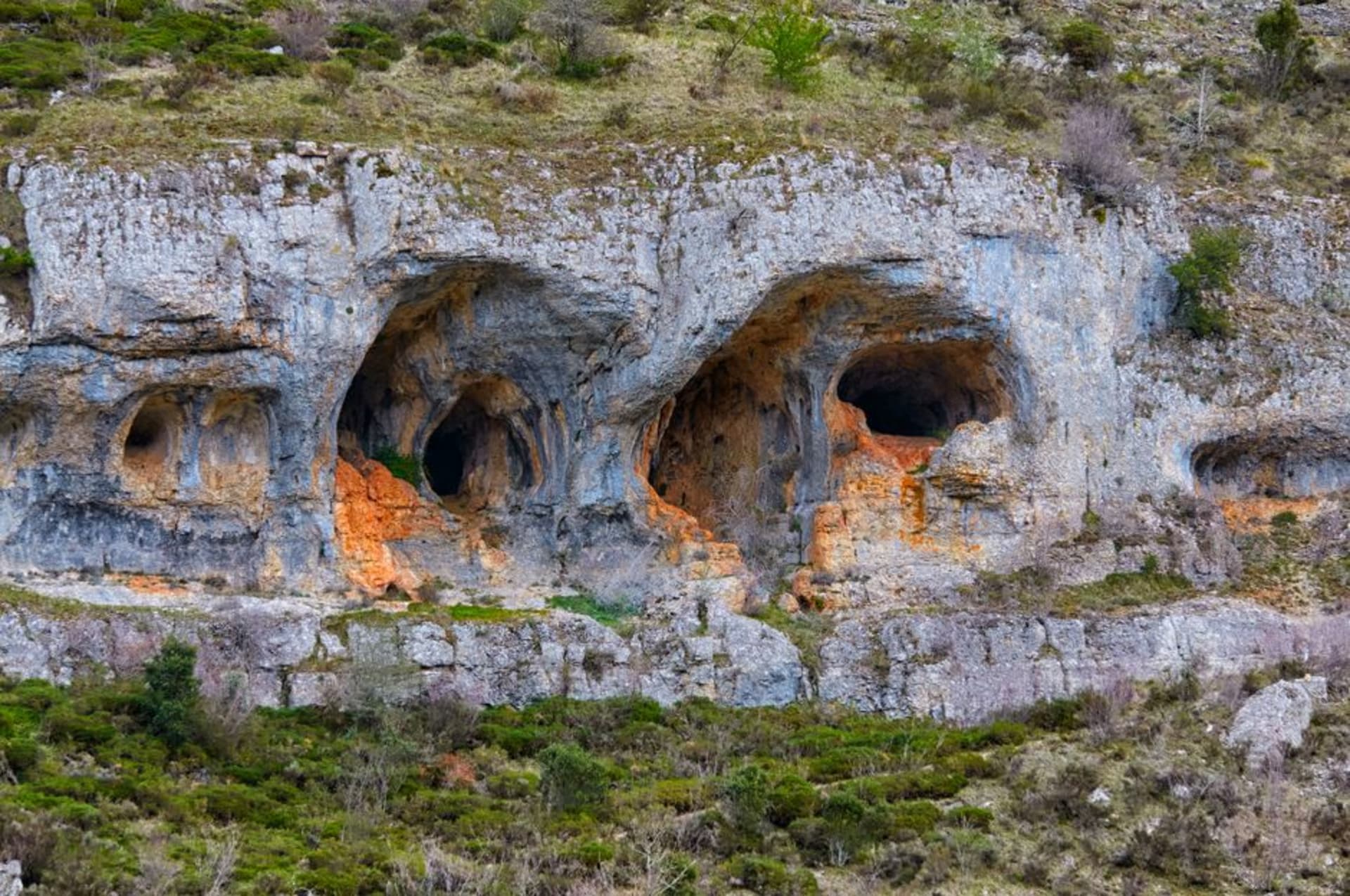
Gruta de Ubajara (Ubajara National Park)
"We climbed out of the caatinga and into a cloud, and then we went underground."
A limestone cave dropping through nine chambers below Ceará's cool highland forest, reached by cable car or a punishing trail.
Lia and I had spent four days in the sertão by the time we reached Ubajara, and my body had settled into the rhythm of dry heat — the kind that makes shade feel like a favor. So when the road started climbing toward the park and the air actually cooled, I rolled the window down just to check I wasn’t imagining it. Ubajara National Park sits right on that seam between the dry caatinga scrub below and a moister, greener forest up on the plateau, and you can feel the switch happen in real time, a few degrees at a time, long before you see a single stalactite.
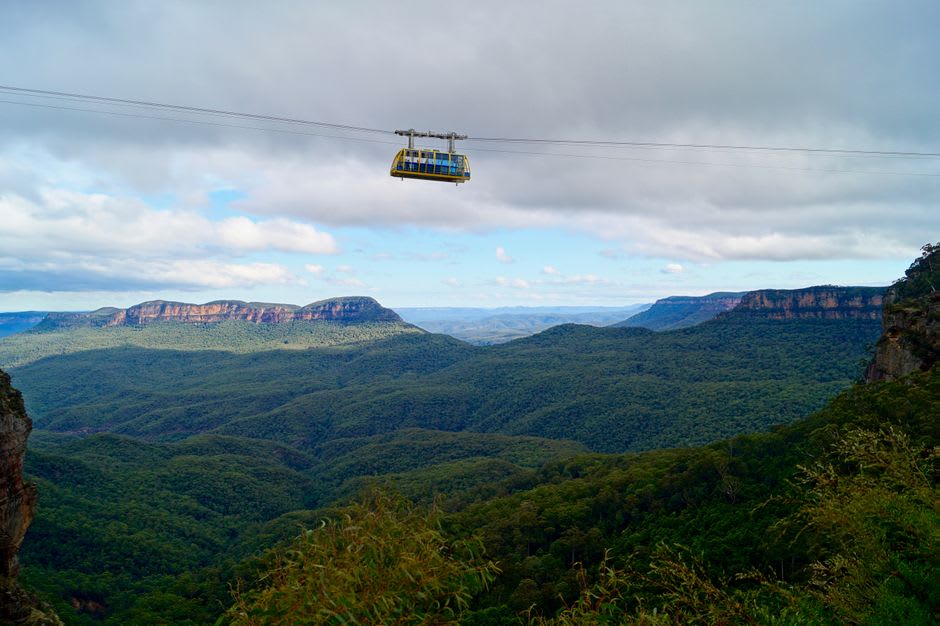
We took the cable car down — the teleférico — mostly because I’d read that the alternative was a roughly 4-kilometer trail with a serious drop in elevation, and I wasn’t about to test my knees against Ceará’s highlands in July heat. The ride itself was short but properly dramatic, the escarpment falling away under our feet while parrots cut across the gap. I remember gripping the bar and grinning at Lia like an idiot, because it’s one thing to read “cable car descending the escarpment” in a brochure and another to actually feel your stomach drop with it.
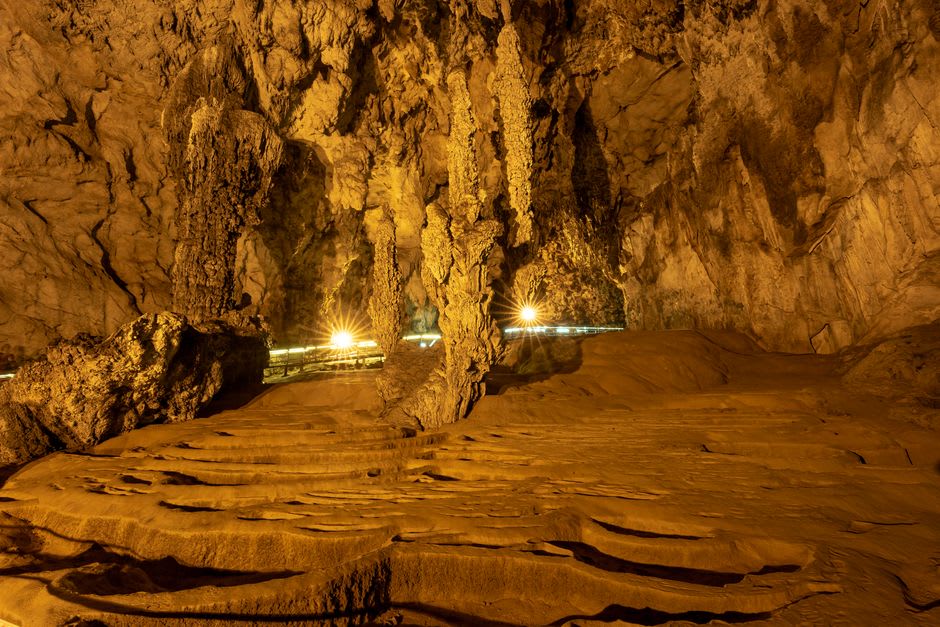
Inside, the cave opened up chamber after chamber — nine of them altogether, though only the first stretch, about 420 of the cave’s total 1,120 meters, is lit and walkable. We moved slowly along the built paths, necks craned, picking out shapes in stone that had been dripping into existence for longer than any of the history I usually go looking for on these trips. There’s a formation partway through that locals apparently read as a human silhouette, and our guide paused the group there just long enough for everyone to squint and half-believe it. Lia thought it looked more like a curtain. I sided with the guide, mostly to be contrarian.
What stuck with me afterward wasn’t just the cave — it was walking back out into that in-between forest, still cool, still faintly humid, knowing that a national park established all the way back in 1959, one of Brazil’s earliest, had been quietly protecting this exact transition for over sixty years before we ever climbed up to see it. We ate grilled cheese and tapioca at a stand near the park entrance afterward, still catching our breath from the temperature change, already talking about coming back in a different season just to see how the light in those chambers changes.
When to go: Aim for the dry season, roughly June through December — the trail down is far more manageable then, and the cave itself tends to be clearer and easier to photograph.
Keep exploring
More from Caatinga
 caatinga
 Juazeiro do Norte
A city of fervent pilgrimage where Padre Cícero's giant statue watches over a market of plaster saints and living faith.
Explore caatinga
 Mossoró
Rio Grande do Norte's salt capital and the only town that drove Lampião away, wearing both facts with equal civic pride.
Explore caatinga
 Ouricuri
A deep Pernambuco sertão town where carnauba palms, mandacaru cacti, and a slow pace of life amount to the unmediated caatinga.
Explore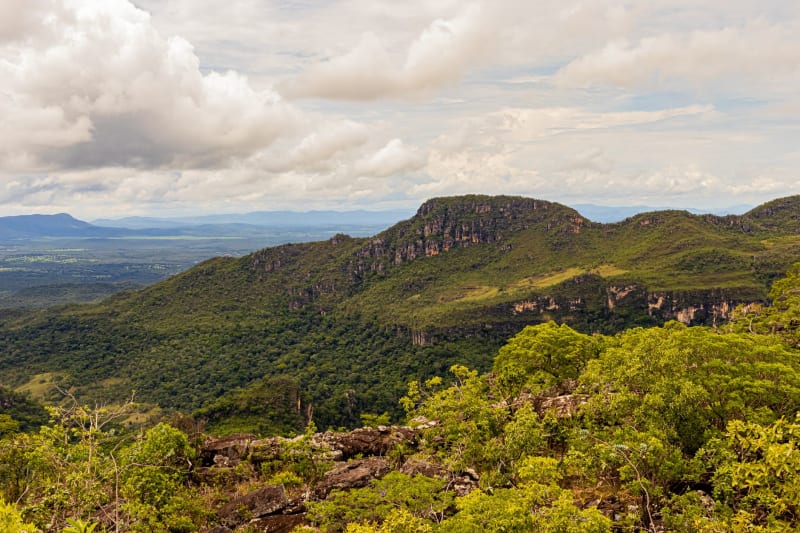 caatinga
 Parque Nacional do Catimbau
A sandstone labyrinth in the Pernambuco backlands where rock formations, ancient petroglyphs, and absolute silence share the same valley.
Explore caatinga
 Petrolina
A São Francisco River city that turned caatinga desert into wine country and made the impossible look obvious.
Explore caatinga
 Quixadá
A Ceará city ringed by massive granite monoliths that rise from the flat sertão like arguments for a different kind of sublime.
Explore