Americas
Caatinga
"I arrived expecting desert and found something stranger — a forest that had decided to survive."
Brazil's forgotten biome — a thorned, sun-bleached wilderness of mandacaru cacti and silver-leafed jurema that blooms impossibly after the first rains.

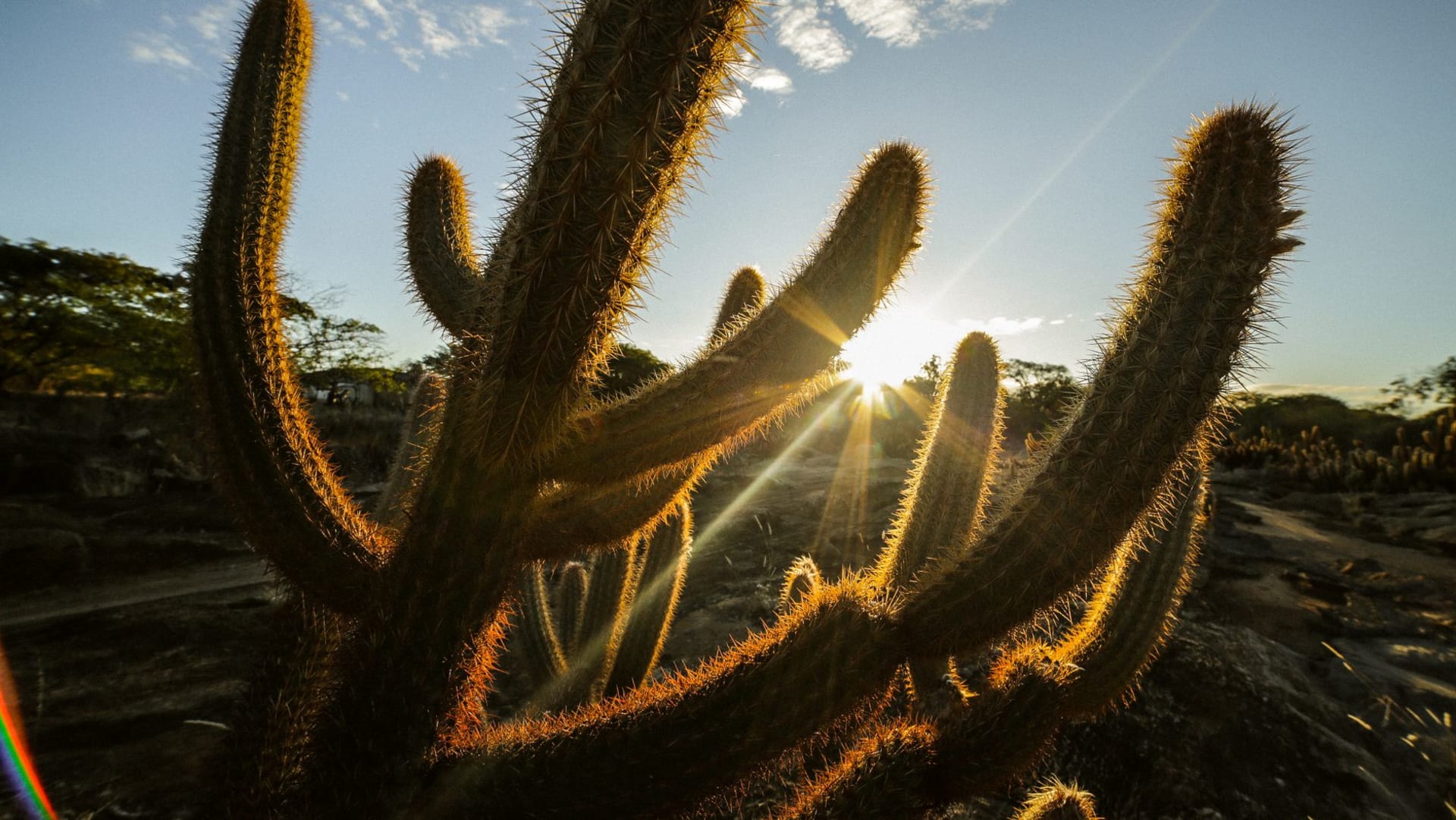
I drove into the Caatinga for the first time on a cracked federal highway between Petrolina and Juazeiro, the caatingueira scrub pressing up against the tarmac on both sides, everything grey and silver and skeletal. It was August. The dry season had been going for months. The mandacaru cacti stood eight metres tall against a sky so blue it felt computational. I pulled over, got out, and stood there for a long time. I had been expecting desert. What I found was something far weirder — a forest that had not died but simply postponed itself.
The Caatinga covers nearly a million square kilometres across nine states in Brazil’s northeast, making it the largest dry tropical forest in the world. Almost none of the people I have met in São Paulo or Rio have ever been there. It exists in the Brazilian imagination primarily as a place of drought, poverty, and the great migrations — the retirantes immortalised by Graciliano Ramos and João Cabral de Melo Neto. That literary weight is real and should not be brushed aside. But it is not the whole story. The biome itself is extraordinary: home to 178 endemic species of plants, the peba armadillo, the preá guinea pig, and the catingueiro deer. After the first November rains, within days, the grey sticks explode into green and the air fills with the smell of wet earth and jurema flowers. I have seen photographs of this transformation. I have not yet been lucky enough to witness it in person. That is why I am going back.
The towns anchor the experience in ways the landscape alone cannot. In Canudos — where António Conselheiro built his millenarian settlement and was destroyed by the Brazilian army in 1897 — the old ruins are partially submerged beneath a reservoir, visible in the dry season when the water drops. It is one of the most quietly devastating historical sites I have visited anywhere. Further north, Juazeiro do Norte in Ceará is a city of pilgrimage, its streets thick with vendors selling plaster saints and cordel literature — the illustrated pamphlets that are the northeast’s oral tradition made portable. And in the backlands around Ouricuri and Serra Talhada, the food is the food of necessity turned into culture: sarapatel, buchada de bode, queijo de coalho grilled over charcoal, rapadura dissolved in black coffee. It tastes like a place that has learned to extract everything from very little.
When to go: November to January, the start of the rainy season, if you want to see the Caatinga green. March to September for cleaner roads and more accessible terrain — and for the stargazing, which in the far interior of Piauí and Pernambuco is among the best on earth.
What most guides get wrong: They describe the Caatinga as a wasteland between places. It is not. It is the place.
Explore
Places in Caatinga
 caatinga
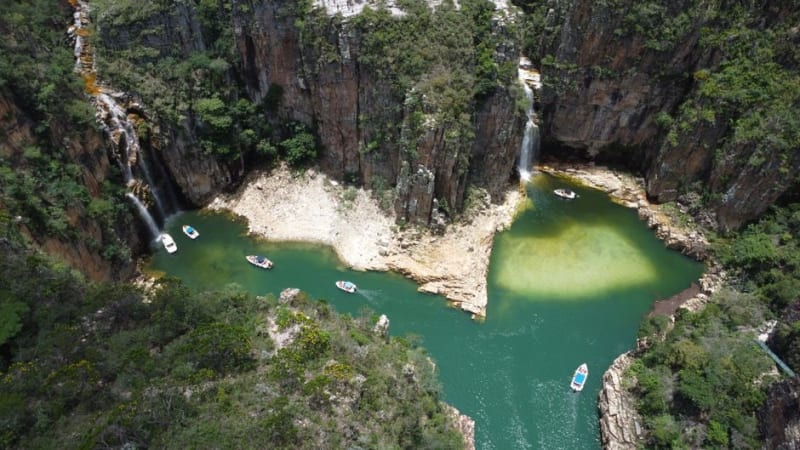
 Cânion do Xingó
A river-carved gorge on the São Francisco where sheer cliffs meet clear green pools, and the sertão finally shows you its softer side.
Explore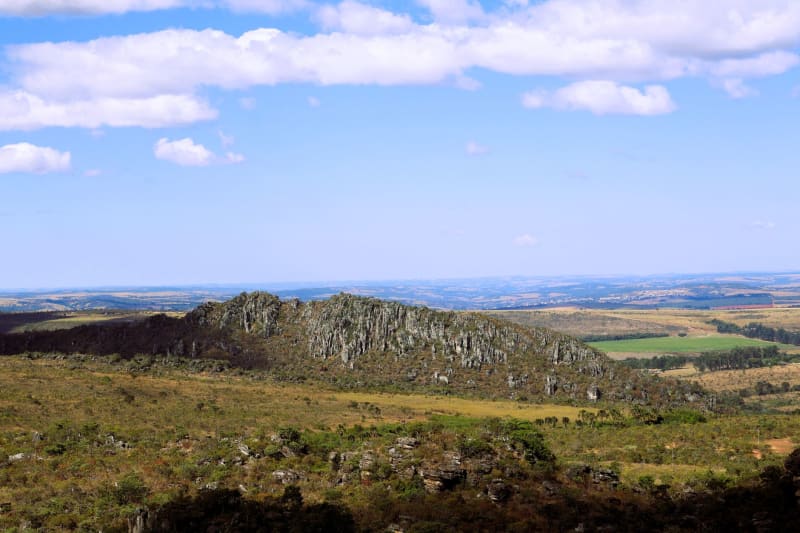 caatinga
 Canudos
A town half-drowned by a reservoir, whose submerged ruins carry the weight of Brazil's bloodiest civil war.
Explore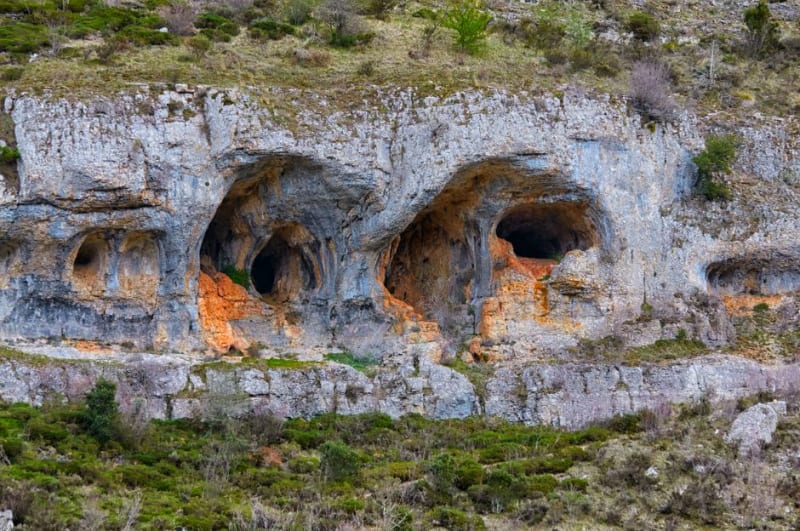 caatinga
 Gruta de Ubajara (Ubajara National Park)
A limestone cave dropping through nine chambers below Ceará's cool highland forest, reached by cable car or a punishing trail.
Explore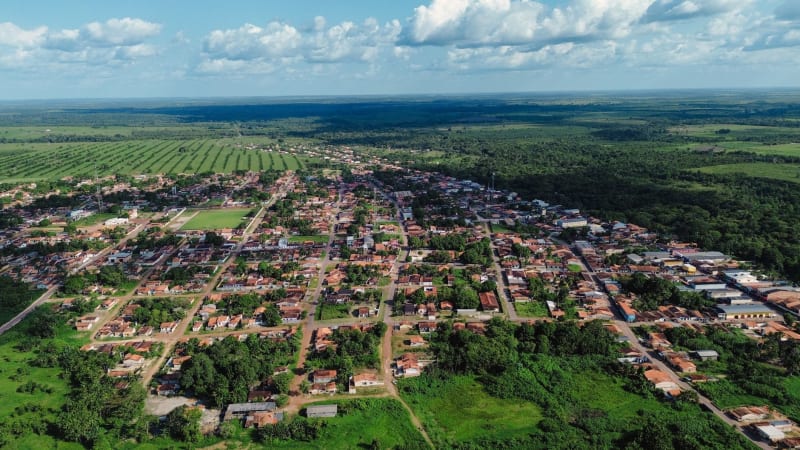 caatinga
 Juazeiro do Norte
A city of fervent pilgrimage where Padre Cícero's giant statue watches over a market of plaster saints and living faith.
Explore caatinga
 Mossoró
Rio Grande do Norte's salt capital and the only town that drove Lampião away, wearing both facts with equal civic pride.
Explore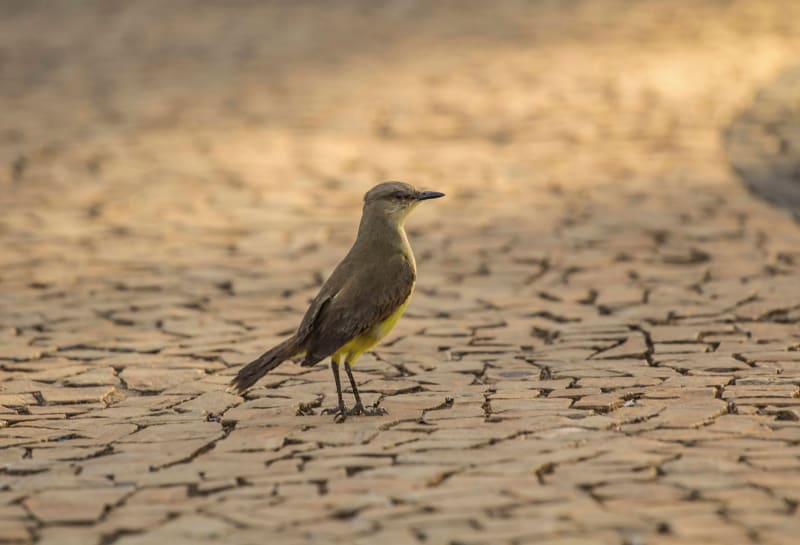 caatinga
 Ouricuri
A deep Pernambuco sertão town where carnauba palms, mandacaru cacti, and a slow pace of life amount to the unmediated caatinga.
Explore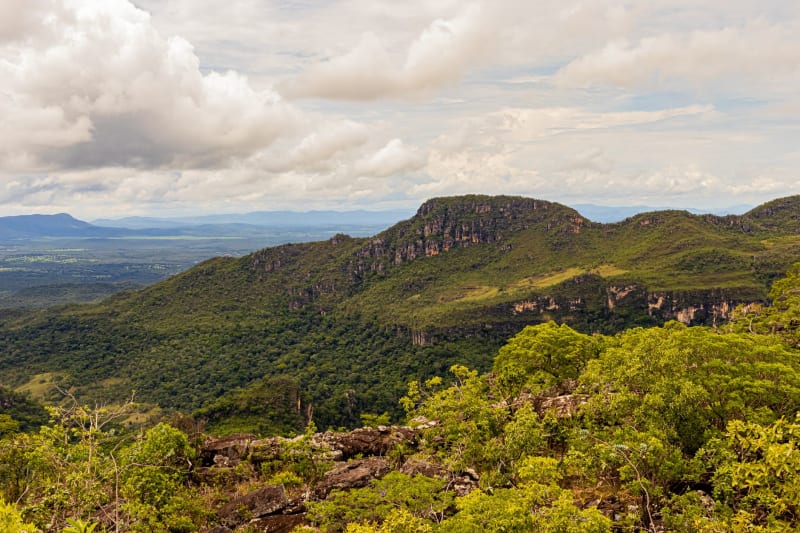 caatinga
 Parque Nacional do Catimbau
A sandstone labyrinth in the Pernambuco backlands where rock formations, ancient petroglyphs, and absolute silence share the same valley.
Explore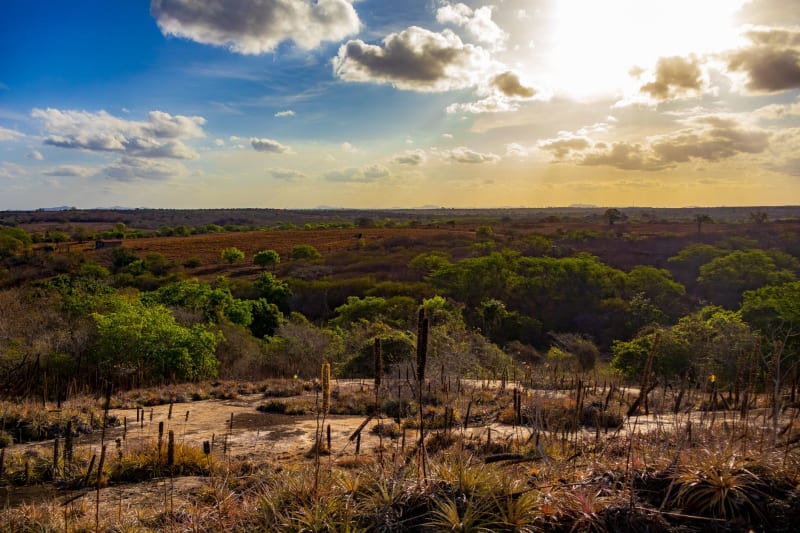 caatinga
 Petrolina
A São Francisco River city that turned caatinga desert into wine country and made the impossible look obvious.
Explore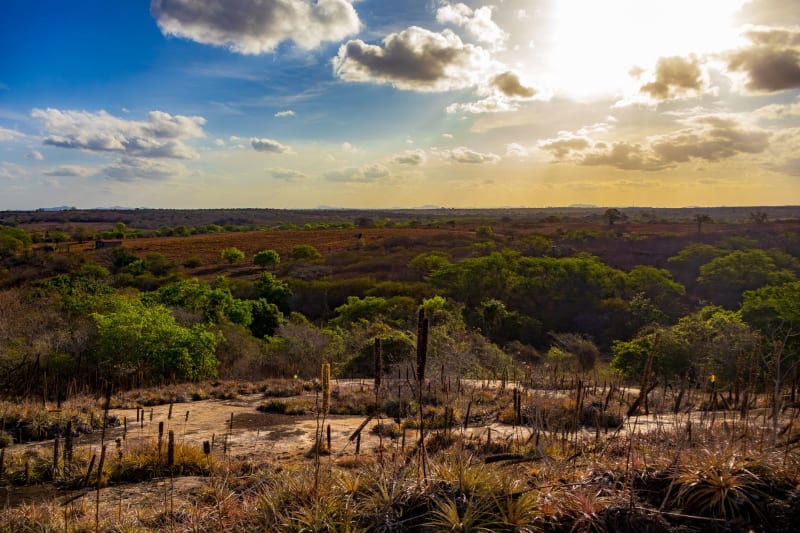 caatinga
 Quixadá
A Ceará city ringed by massive granite monoliths that rise from the flat sertão like arguments for a different kind of sublime.
Explore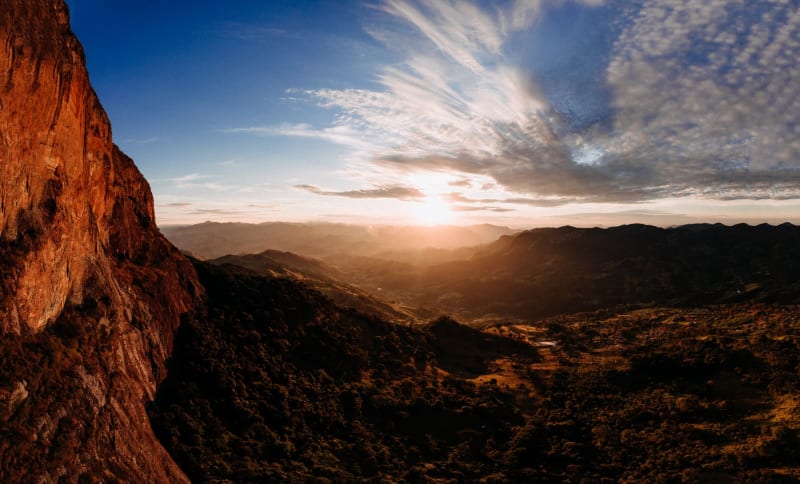 caatinga
 Serra da Capivara
A canyon-cut plateau in Piauí holding the oldest rock art in the Americas — some of it fifty thousand years old.
Explore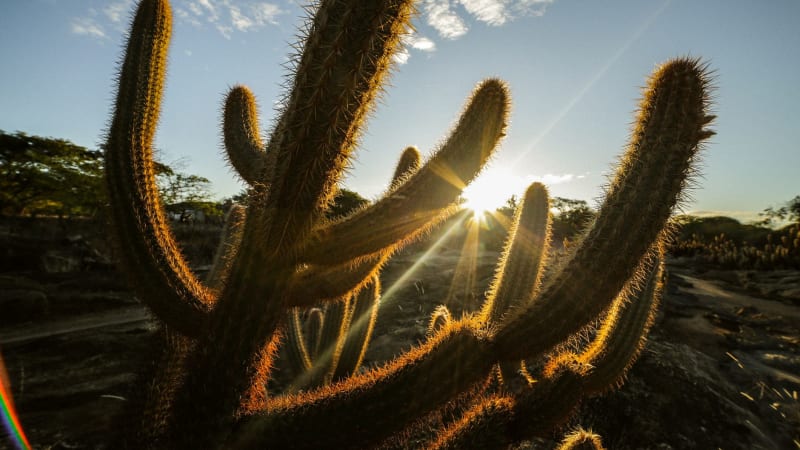 caatinga
 Serra das Confusões National Park
A vast, little-visited park in the dry interior of Piauí, where eroded sandstone cliffs hide thousands of years of painted rock art.
Explore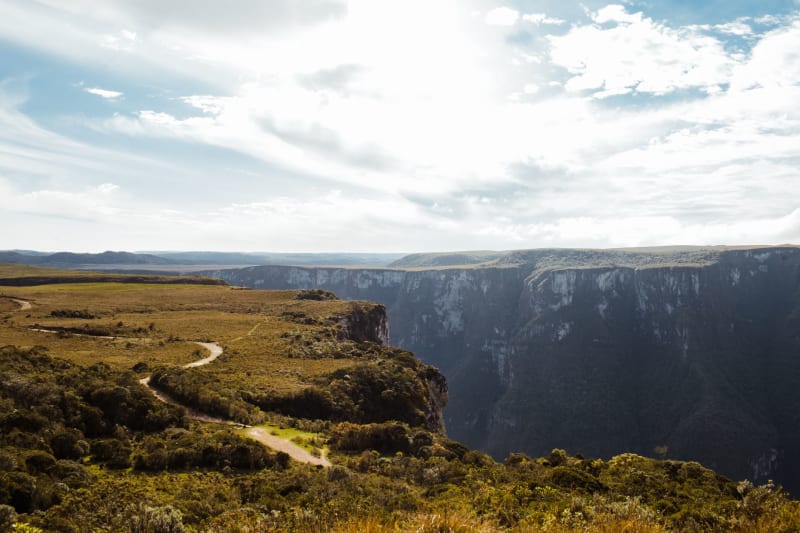 caatinga
 Serra Talhada
The birthplace of Lampião, bandit king of the sertão, where cangaço history and extraordinary backland food converge.
Explore caatinga
 Xingó Canyon
A drowned gorge on the São Francisco River where turquoise water meets hundred-metre canyon walls studded with cacti.
Explore