A steep pocket of Albertine Rift forest above Lake Tanganyika, where unhabituated chimpanzees still call from the canopy.
Rumonge was supposed to be a one-night stop on our way down the lake, but a fisherman we’d bought grilled sambaza from the evening before mentioned, almost in passing, that there was a forest in the hills above town where wild chimpanzees still lived. Lia looked at me the way she does when a detour has already been decided. The next morning we hired a moto-taxi and climbed out of Rumonge toward the strip of hillside that makes up Vyanda Nature Reserve, a narrow band of forest sitting between three and ten kilometers from the Tanganyika shoreline, protected since 1980.
The trail our guide took us on wasn’t groomed for tourism the way some reserves are. It was steep, root-tangled, and quiet in a way that made every distant rustle feel enormous. He explained that Vyanda’s chimpanzees are unhabituated, meaning they’ve never been conditioned to tolerate human observers at close range, so there was no illusion of a guaranteed sighting. What we got instead was better than I expected: around midday, from somewhere down the slope, a long chorus of pant-hoots rose through the canopy and rolled across the hillside. Our guide froze, grinning, and just said “there, there” until it faded.
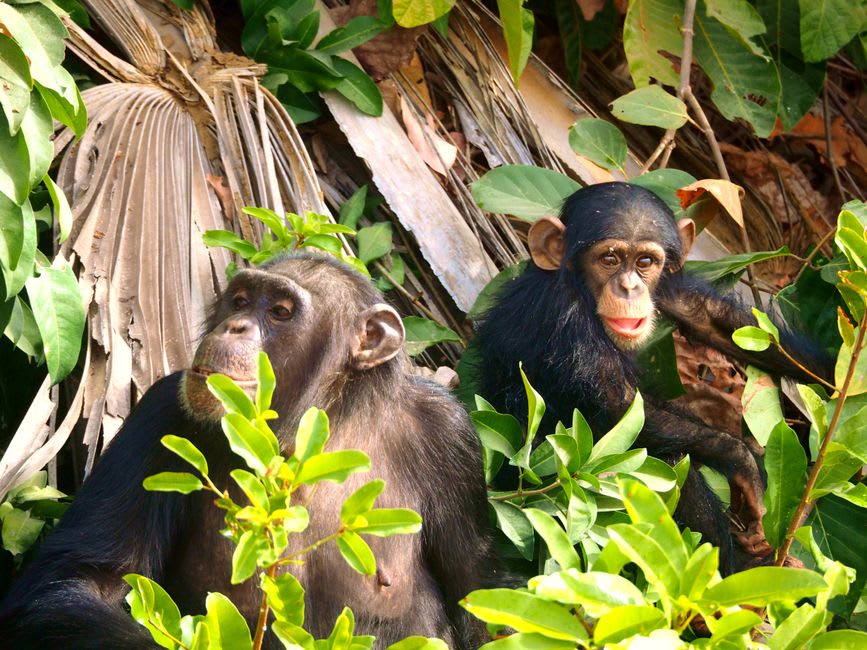
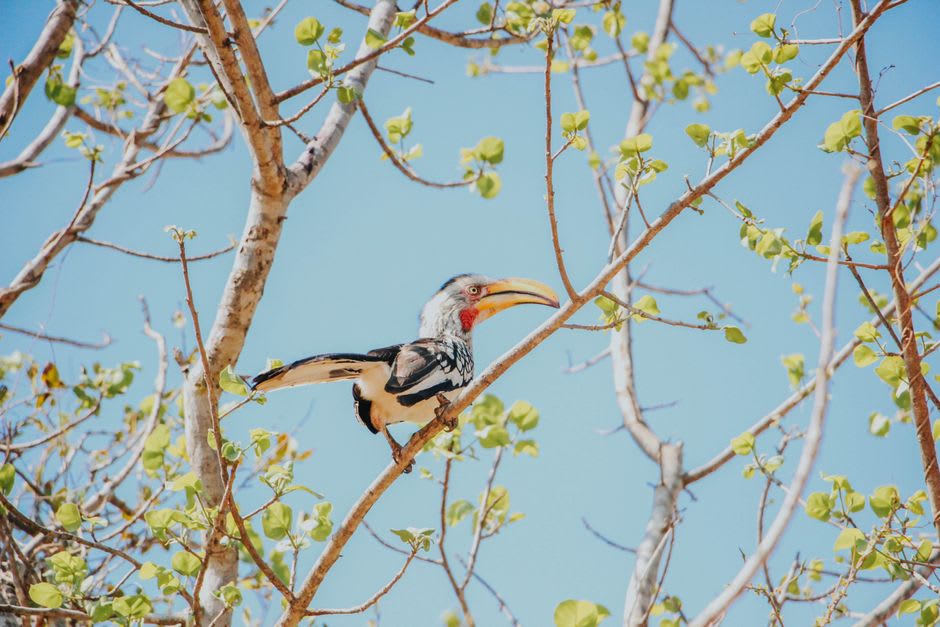
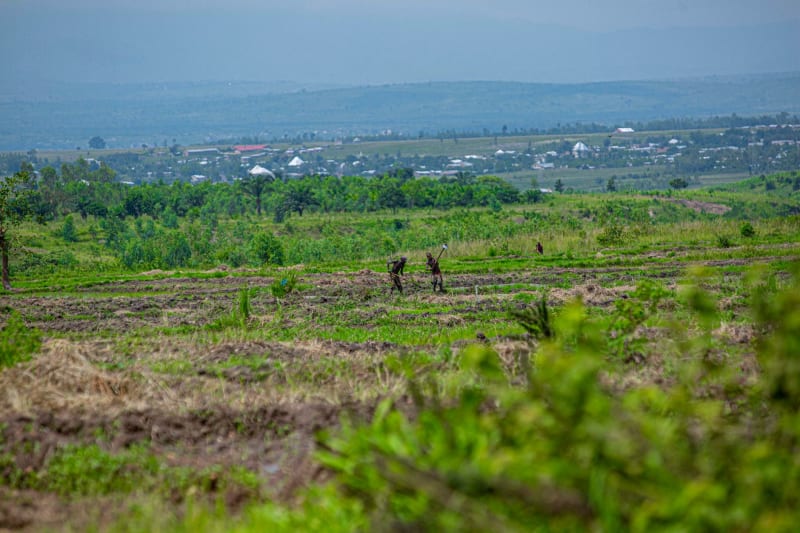
We spent the rest of the afternoon on slower ground, and that’s when the forest showed off in a different way. Turacos and hornbills kept crossing the trail overhead, and our guide pointed out a pair of nests he said belonged to a family group that conservation workers linked to the Jane Goodall Institute had been monitoring for years, trying to hold the tree line against the maize fields creeping up from the valley. Standing there, looking down at where cultivated land met unbroken canopy in a hard line, I understood why this particular strip of forest mattered so much — it’s one of the last fragments of Albertine Rift habitat left in the country.
By the time we descended back toward Rumonge, legs aching and shirts soaked through, I felt like we’d been let in on something most visitors to Burundi never even hear about. Lia said it best on the ride down: we came for chimpanzees and left with a sense of how fragile the whole thing is.
When to go: Aim for the dry season, June through August, when the trails hold firm underfoot and the forest stays quieter — your best odds of catching that distant chorus of chimpanzee calls drifting down the hillside.
Keep exploring
More from Burundi
 burundi
 Bujumbura
A lakeside capital where cold Primus beer, midnight brochettes, and the impossible blue of Tanganyika make you forget the world's indifference to this place.
Explore burundi
 Gishora Drum Sanctuary
On a sacred hill outside Gitega, Burundi's royal ingoma drums are kept alive by a lineage of drummers who have never confused performance with practice.
Explore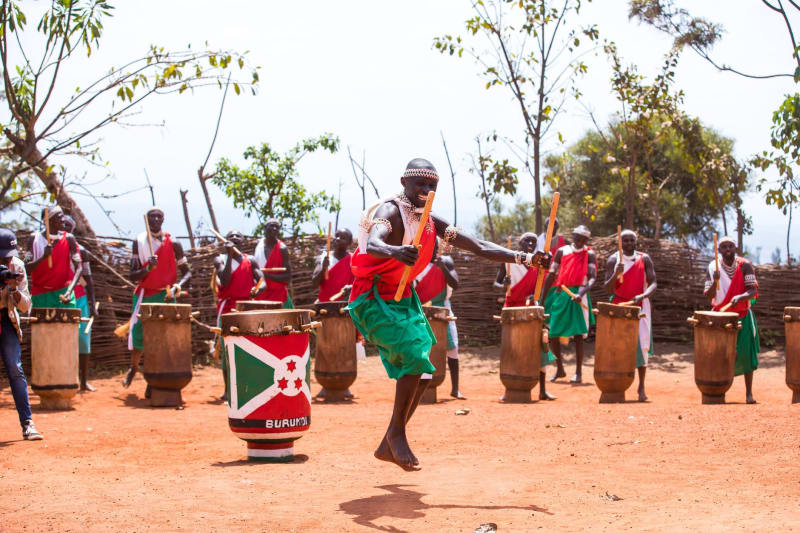 burundi
 Gitega
Burundi's administrative capital sits among highland hills where the national museum holds royal drums that still carry the weight of a kingdom.
Explore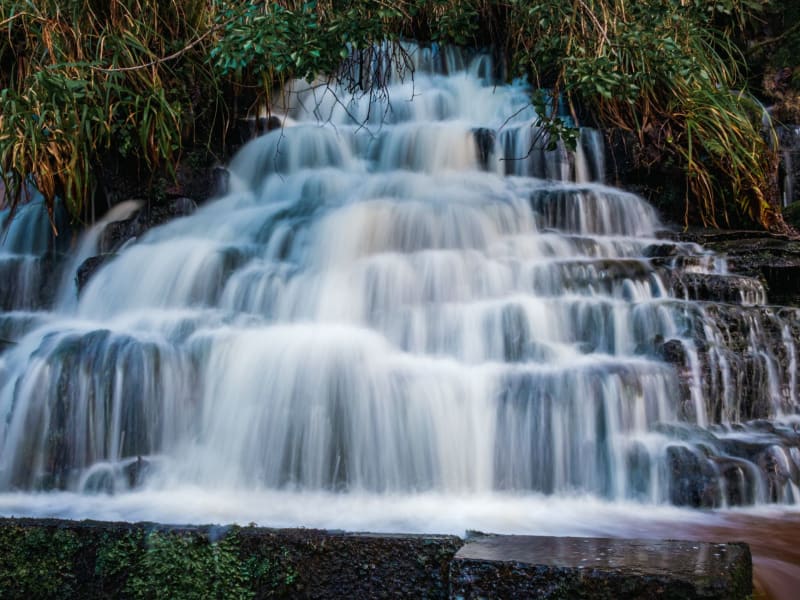 burundi
 Karera Waterfalls
Deep in Burundi's southeastern highlands, four falls of extraordinary force crash through black rock into a canyon that the rainforest barely lets light into.
Explore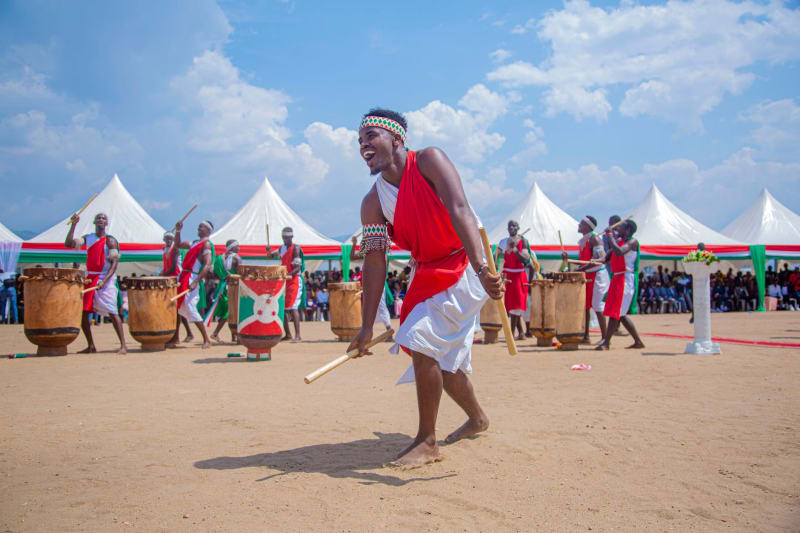 burundi
 Kayanza
Burundi's cool coffee highlands where red-berried trees terraced up steep hillsides produce some of East Africa's most underrated beans, and the air smells like it.
Explore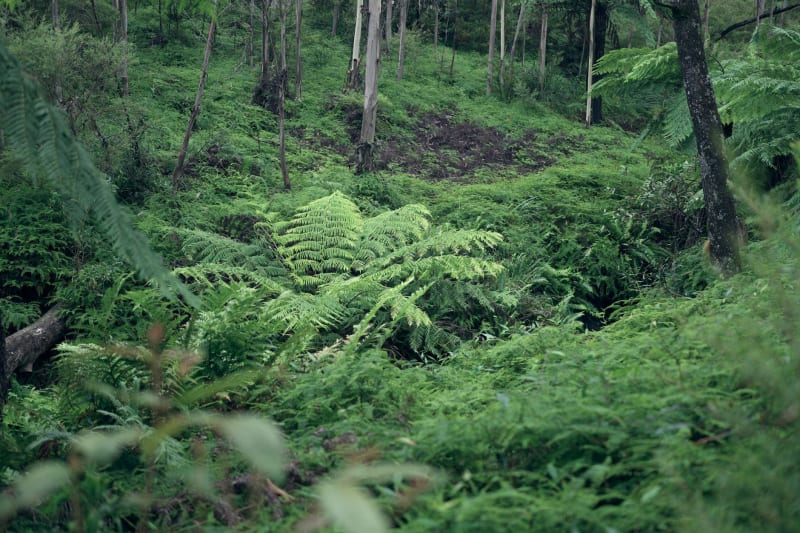 burundi
 Kibira National Park
Central Africa's largest montane rainforest drapes Burundi's northwest ridgeline in permanent mist, chimpanzees, and a silence so thick it feels structural.
Explore