Saga Beach
"I came for a lake. I stayed because it felt like the ocean lied to me my whole life."
A stretch of warm, calm sand on Lake Tanganyika where Bujumbura comes to unwind, just minutes from the capital's chaos.
Lia and I almost skipped Saga Beach. We’d been in Bujumbura three days, and every conversation we’d had about “the beach” came with a shrug — like it was something locals did on Sundays, not something a visitor needed to see. But our guesthouse owner insisted, and the drive north took maybe eighteen minutes before the road opened up and there it was: Lake Tanganyika, flat and silver-blue, looking for all the world like an ocean that had simply forgotten to have waves. I kept doing the math in my head — this lake goes down over 1,400 metres, deeper than almost anywhere else on the planet, and yet the water lapping at my ankles was warm and gentle as a bath.
We rented two plastic chairs from a kid who couldn’t have been older than twelve and set up close to where a cluster of Congolese families had already claimed a patch of sand — Saga Beach pulls people from across the water in DR Congo just as much as it does Bujumbura residents, and by early afternoon the place had the loose, unhurried energy of a shared backyard rather than a tourist beach.
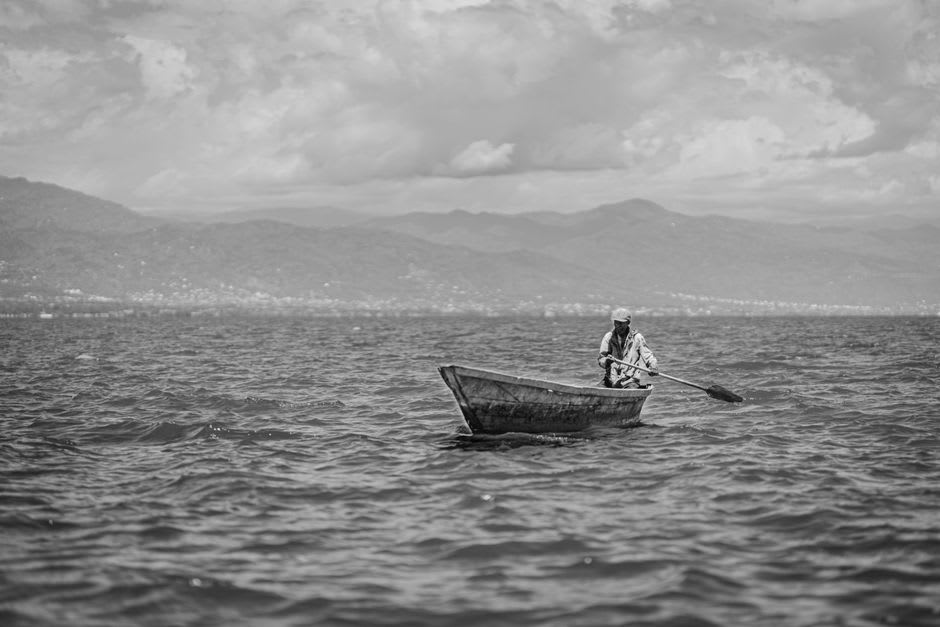
What I didn’t expect was how close the fishing life stayed to the swimming life. A short walk down the shore, wooden pirogues were coming in low in the water, and I watched two men haul out a net glittering with ndagala, those tiny sardine-like fish that seem to show up in every Burundian dish I’ve eaten since. One of them held up a Nile perch for us to admire — easily half a metre long — grinning at Lia’s obvious disbelief. We bought grilled ndagala from a stand ten minutes later, salty and crisp, eaten standing in the sand with our feet still wet.
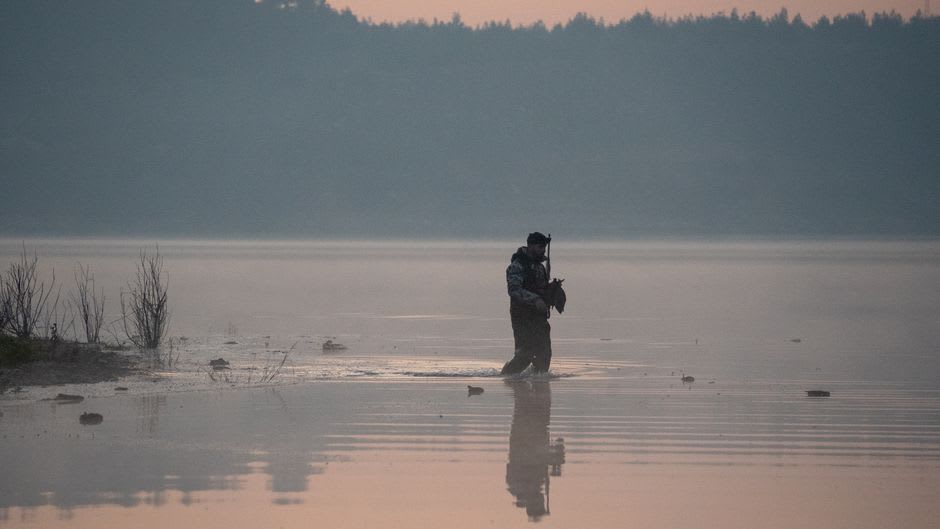
By late afternoon the light turned that particular gold that makes every photo look staged, and I just floated on my back for a long while, watching pirogues cut black silhouettes across the water. It’s strange to think this same lake touches four countries, that somewhere far south of where my feet were dangling the bottom drops away into total darkness. From where we sat, though, it just felt like the calmest, most unbothered stretch of water I’d swum in all year — and the easiest fifteen minutes I’d spent getting anywhere in Burundi.
When to go: We went in the dry season, and I’d steer you the same way — June through August or December into January give you the clearest skies and the sunniest lake conditions for actually enjoying the water.
Keep exploring
More from Burundi
 burundi
 Source du Nil
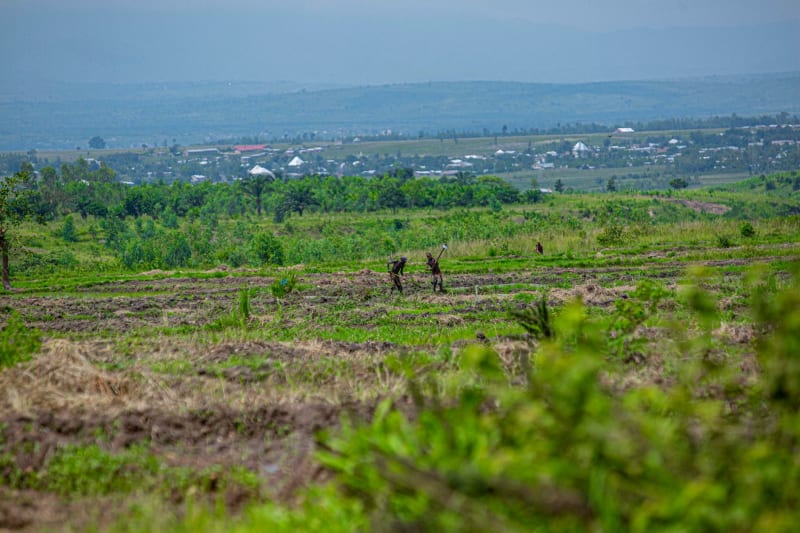
Near the village of Rutovu in Burundi's highlands, a pyramid marks what explorers once claimed as the Nile's southernmost source — and the claim is stranger and more compelling than it sounds.
Explore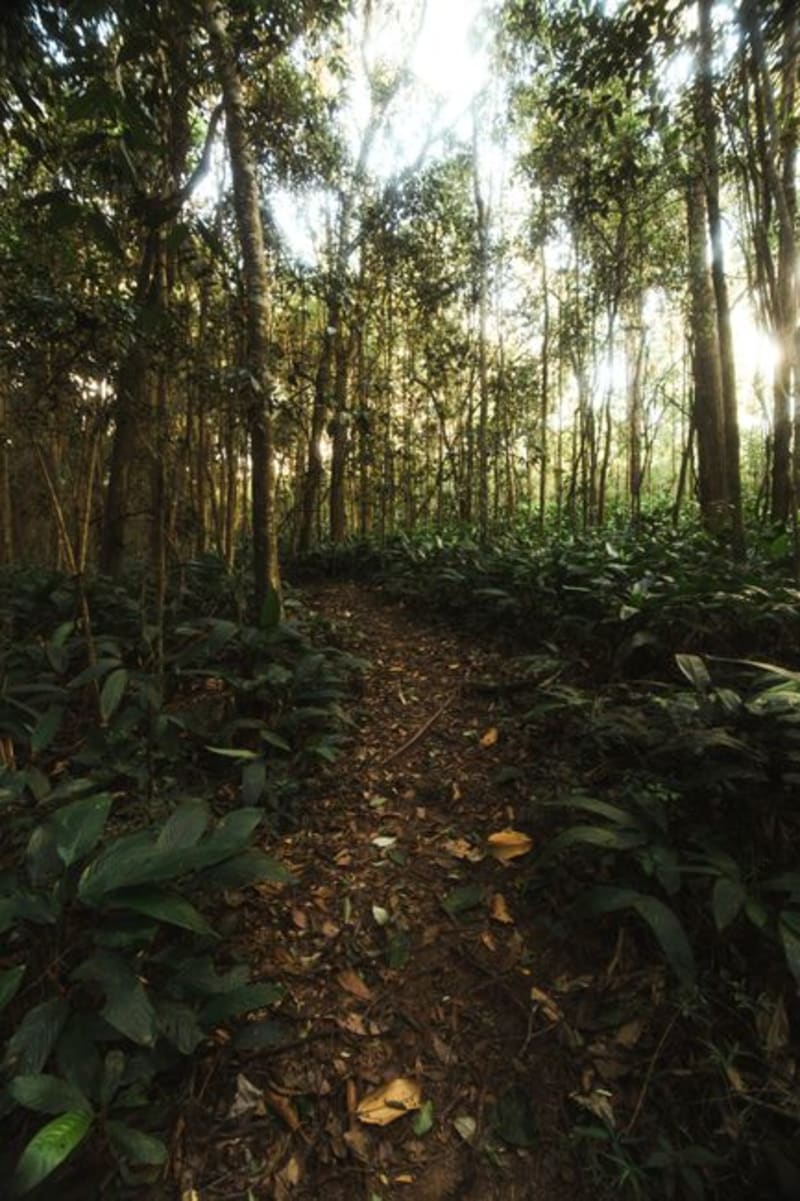 burundi
 Vyanda Nature Reserve
A steep pocket of Albertine Rift forest above Lake Tanganyika, where unhabituated chimpanzees still call from the canopy.
Explore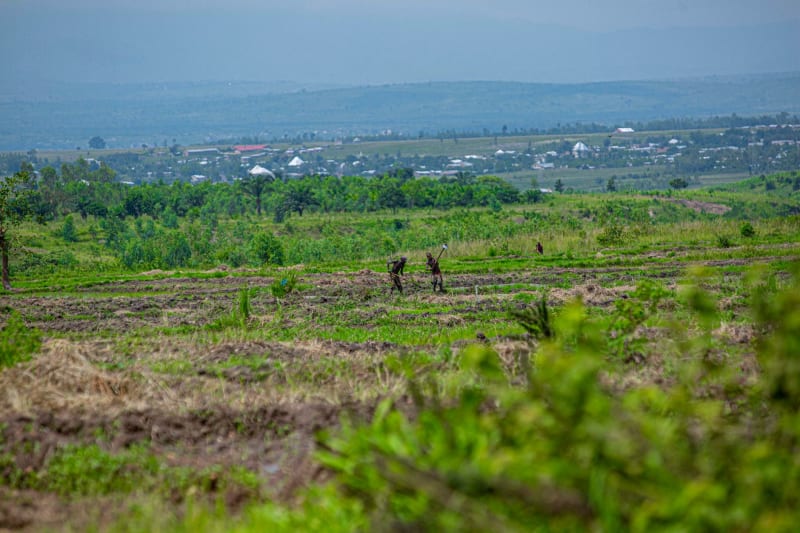 burundi
 Bujumbura
A lakeside capital where cold Primus beer, midnight brochettes, and the impossible blue of Tanganyika make you forget the world's indifference to this place.
Explore burundi
 Gishora Drum Sanctuary
On a sacred hill outside Gitega, Burundi's royal ingoma drums are kept alive by a lineage of drummers who have never confused performance with practice.
Explore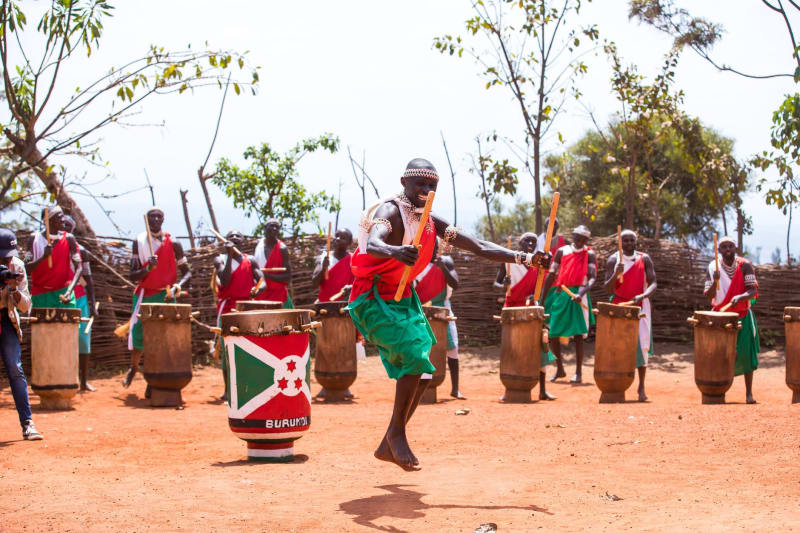 burundi
 Gitega
Burundi's administrative capital sits among highland hills where the national museum holds royal drums that still carry the weight of a kingdom.
Explore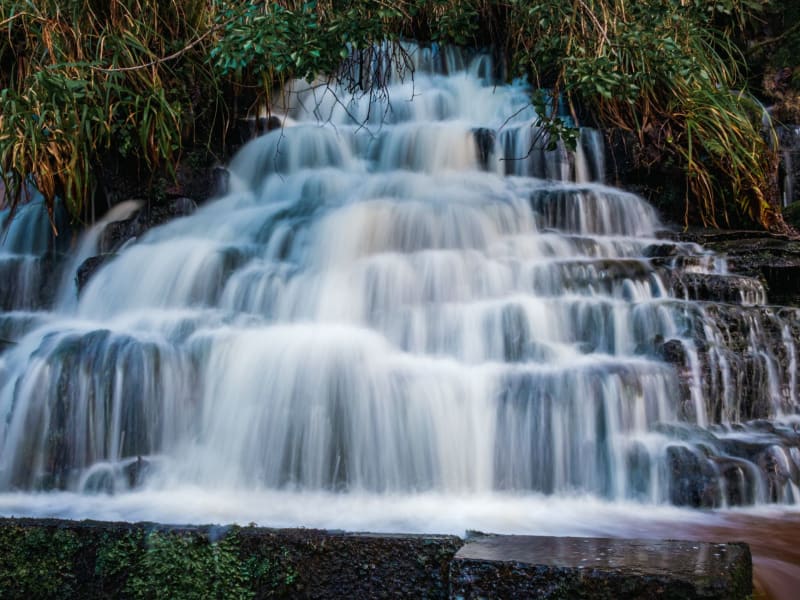 burundi
 Karera Waterfalls
Deep in Burundi's southeastern highlands, four falls of extraordinary force crash through black rock into a canyon that the rainforest barely lets light into.
Explore