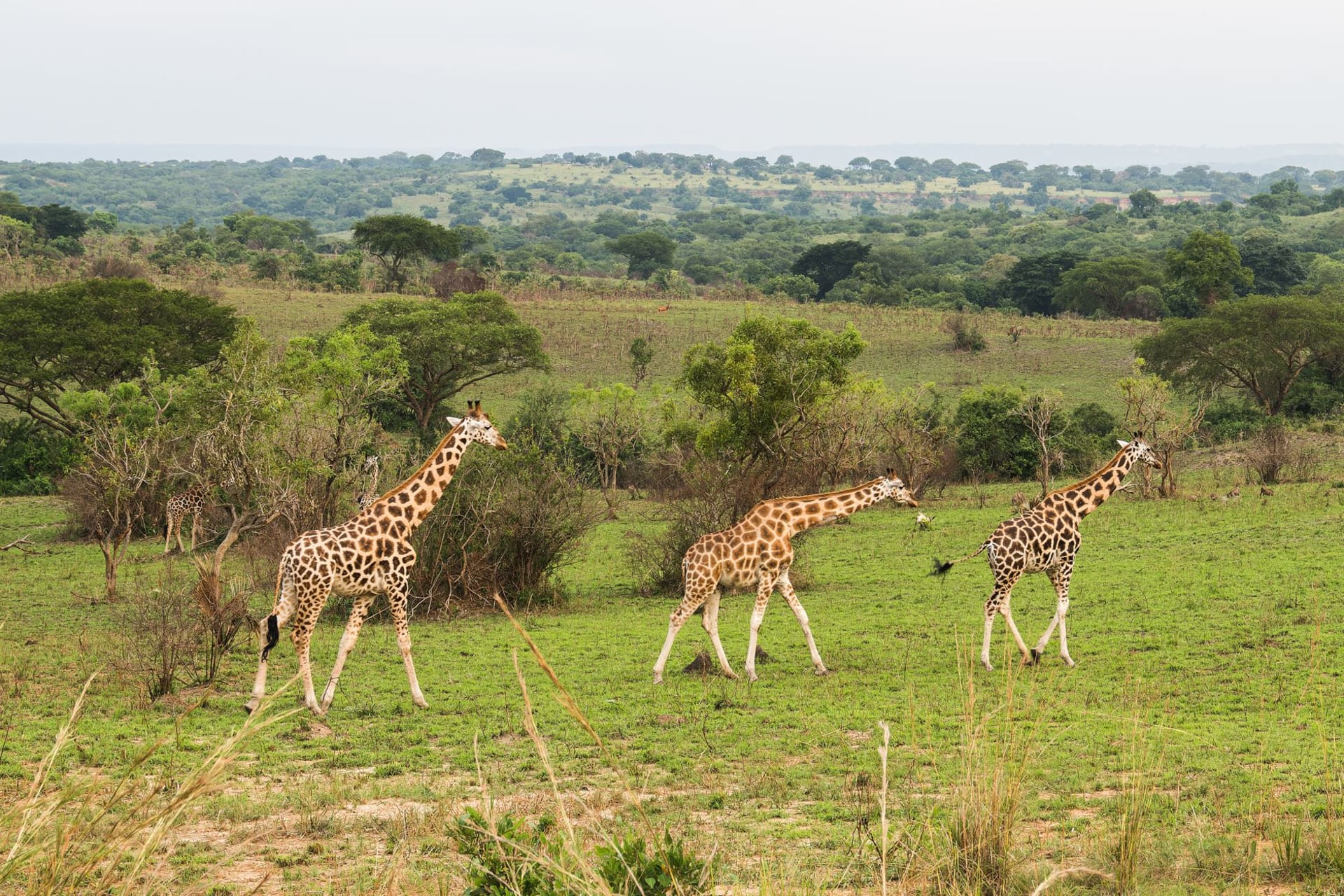
Ruvubu National Park
"I came expecting an empty park on a map. I left having watched buffalo cross a river at dusk with nobody else for thirty kilometers."
Most people who get as far as Burundi never make it out to Ruvubu, and I understand why. It sits in the east, a long way from Bujumbura and Lake Tanganyika, reached by roads that demand patience and a driver who does not panic when the tarmac gives up. But it is the largest national park in the country by a wide margin, a ribbon of protected land that follows the Ruvubu River — the watercourse that feeds into the system some geographers insist is the genuine, furthest source of the Nile. I had read that line in three guidebooks and decided I needed to see the river for myself, less out of conviction than stubbornness.
The river and its hills
What you find is not the postcard savanna of the Mara or the Serengeti. Ruvubu is hillier, greener, more intimate — gallery forest hugging the riverbanks, open grassland rising into the rounded hills that give Burundi its reputation as a country folded entirely out of slopes. Lia spotted the first buffalo before our guide did, a dark shape standing in the long grass with that particular stillness large animals have when they have already decided you are not worth moving for. There are hippos in the deeper pools, antelope — bushbuck, reedbuck, the occasional roan — and a bird list long enough to make the few ornithologists who reach here weep with happiness. We saw a saddle-billed stork working a shallow, looking absurdly formal, like a waiter who had wandered into the wrong event.
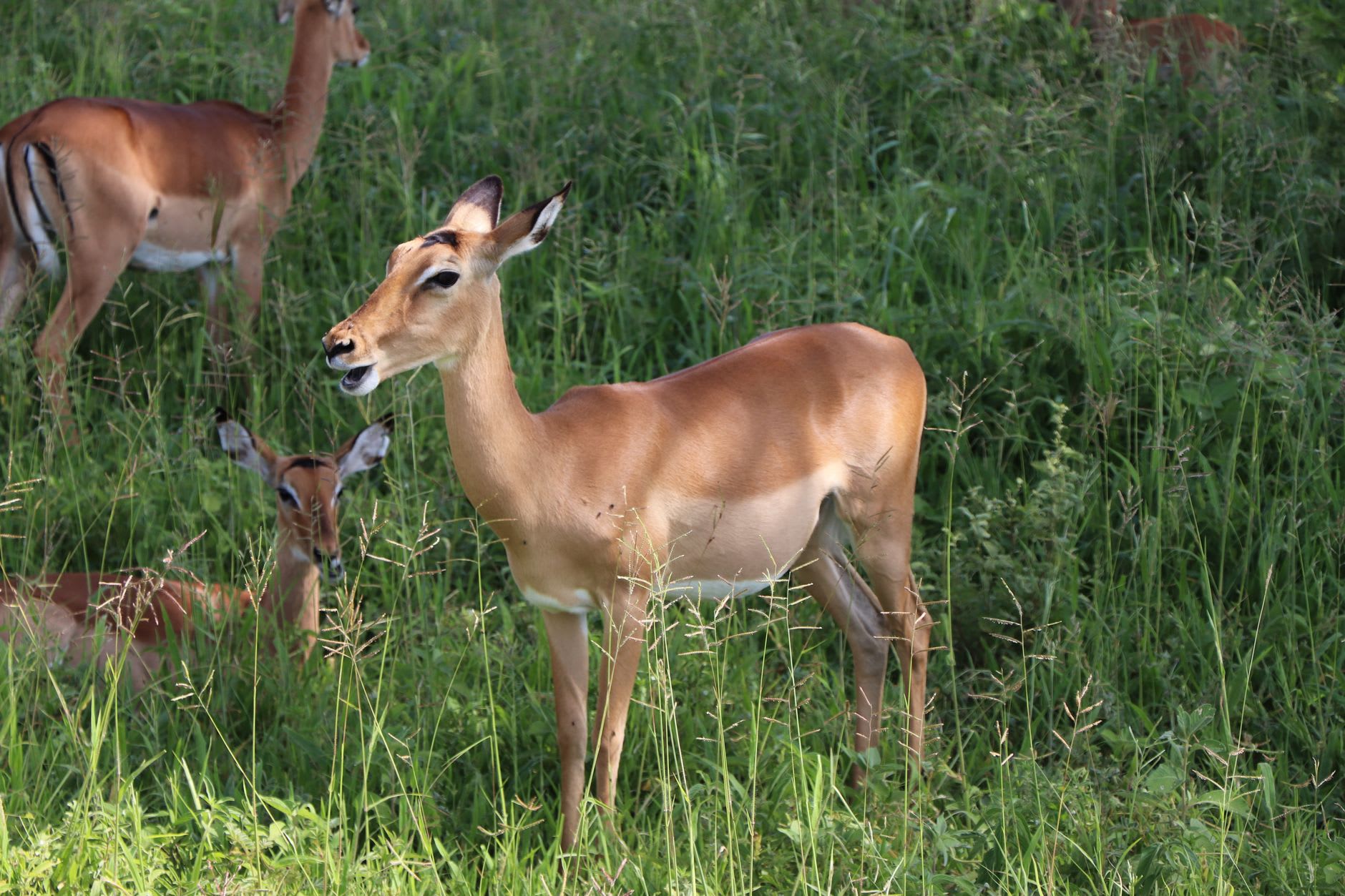
The thing nobody prepares you for is the silence and the emptiness. There is no convoy of safari vehicles here, no radio chatter coordinating leopard sightings. For most of a day it was us, the guide, and a country’s worth of grass. That has a cost — the infrastructure is thin, the tracks wash out, and you will not tick off a lazy list of big cats from a comfortable seat. But it has a value that is becoming genuinely rare: the sense of being somewhere that has not been arranged for your arrival.
Going slowly, on purpose
We did most of our exploring on foot with a ranger, which in Ruvubu is not only permitted but the best way to actually feel the place. Walking, you notice things a vehicle erases — the heat coming off a rock, the smell of crushed grass, the way a herd registers your presence as a slow ripple of turning heads. At one bend the river opened wide and calm, and we sat on the bank and ate the bread and avocados Lia had insisted on packing, watching the water move with no urgency at all toward, eventually, the Mediterranean.
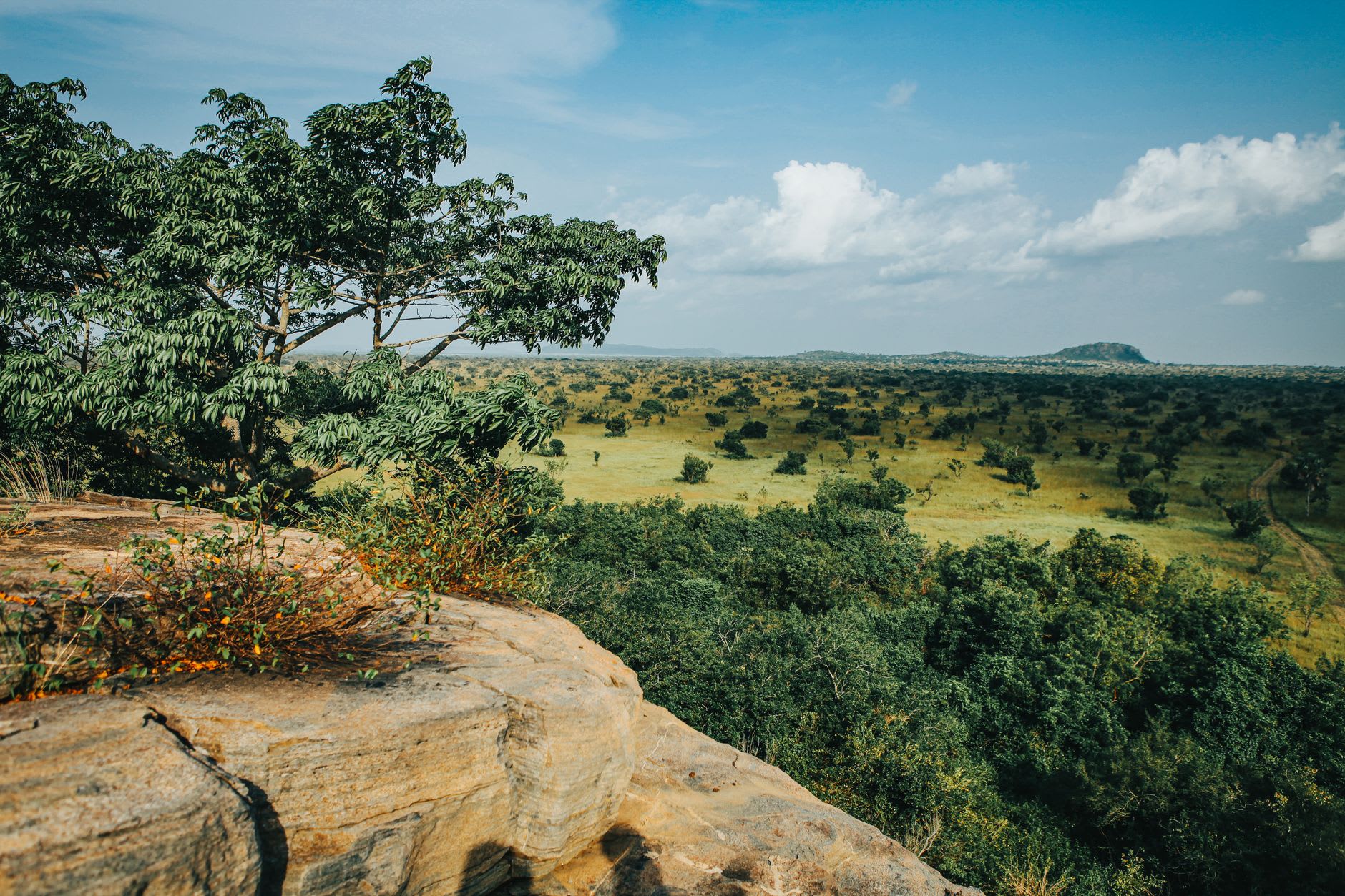
When to go: The long dry season, June through September, is the most reliable window — the tracks are passable, the grass is shorter, and animals concentrate near the river, which makes them easier to find. The short dry spell in January and February also works. Avoid the heavy rains of March through May, when the approach roads turn treacherous and the park can become effectively unreachable. Arrange a ranger and a guide in advance through the conservation authority in Bujumbura; this is not a place you improvise your way into.