Africa
Burundi
"The Africa nobody warned me about, in the best possible way."
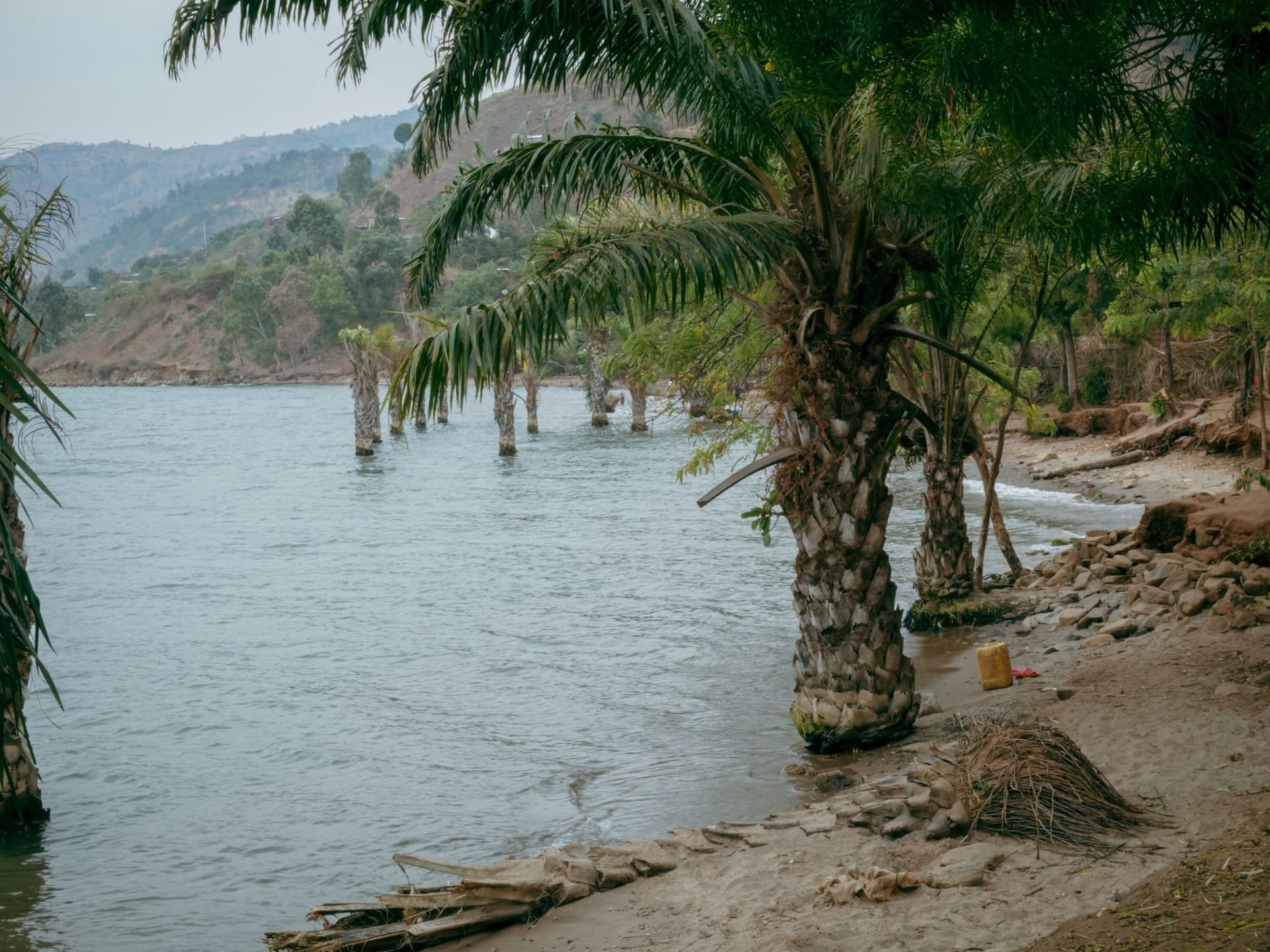
I flew into Bujumbura from Nairobi on a half-empty propeller plane, and the descent gave me my first real look at Lake Tanganyika — this impossible sheet of cobalt wedged between the Congo hills and the Burundian escarpment, wider than you think any inland lake has the right to be. From the air it looked like a piece of ocean someone had accidentally set down in the wrong place. On the ground, standing on the pebbled shore near the Cercle Nautique at dusk with a cold Primus beer, the scale of it still didn’t fully register. The water goes down over 1,400 meters. It holds a fifth of the world’s freshwater. The fishermen set out at night with lanterns and come back at dawn with silver piles of ndagala — the tiny sardine-like fish that end up fried, salted, and everywhere on local plates.
Bujumbura is a city that moves at its own speed, unbothered by anyone else’s expectations. I ate brochettes at roadside grills that stayed open past midnight. I drank citron pressé under fan-cooled terraces while thunder moved in across the lake. The market at Buyenzi is chaotic and vivid in a way that makes you feel alive — bolts of fabric, pyramids of dried beans, phone repair stalls under blue tarps. Nobody was performing for outsiders. The country receives almost no tourists, and this means you are simply a person who ended up here, not a visitor to be managed.
The countryside north of the capital, toward Gitega, opens into rolling green hills that Burundians call imisozi — something in the Kirundi language that sounds like what the landscape actually feels like underfoot. Rwanda gets all the praise for its hills, but Burundi’s are denser, more untamed, without the manicured tea-plantation edges. Drumming is the other thing that will get under your skin. Burundi’s royal drums — ingoma — are UNESCO-listed, and watching a drumming ceremony near Gitega, the drummers moving with the drums, dancing while they play, is one of those cultural moments that earns that word: ceremony. It is not a performance staged for cameras. It is a practice.
When to go: June through August is the long dry season — lower humidity, manageable roads, and clear views across the lake. December to January works too, a shorter dry window. Avoid April and May (long rains) and November (short rains), when mountain roads can become genuinely impassable. The lake stays warm enough to swim year-round.
What most guides get wrong: They lead with the instability warnings and stop there, which leaves travelers with the impression that Burundi is simply too difficult or too dangerous to attempt. That framing misses the point. Yes, the political situation warrants attention, and you should check current advisories before going. But for a prepared traveler who can read a context, Bujumbura is navigable, the lake is extraordinary, and the absence of tourist infrastructure is more asset than liability — you eat where Burundians eat, you bargain in markets where prices haven’t been inflated for foreigners, you move through a country still largely on its own terms. That experience is increasingly rare in Africa, and increasingly worth something.