Koudougou
"I went looking for the famous market and found a man who had been weaving the same six-inch strip of cloth, beautifully, for forty years."
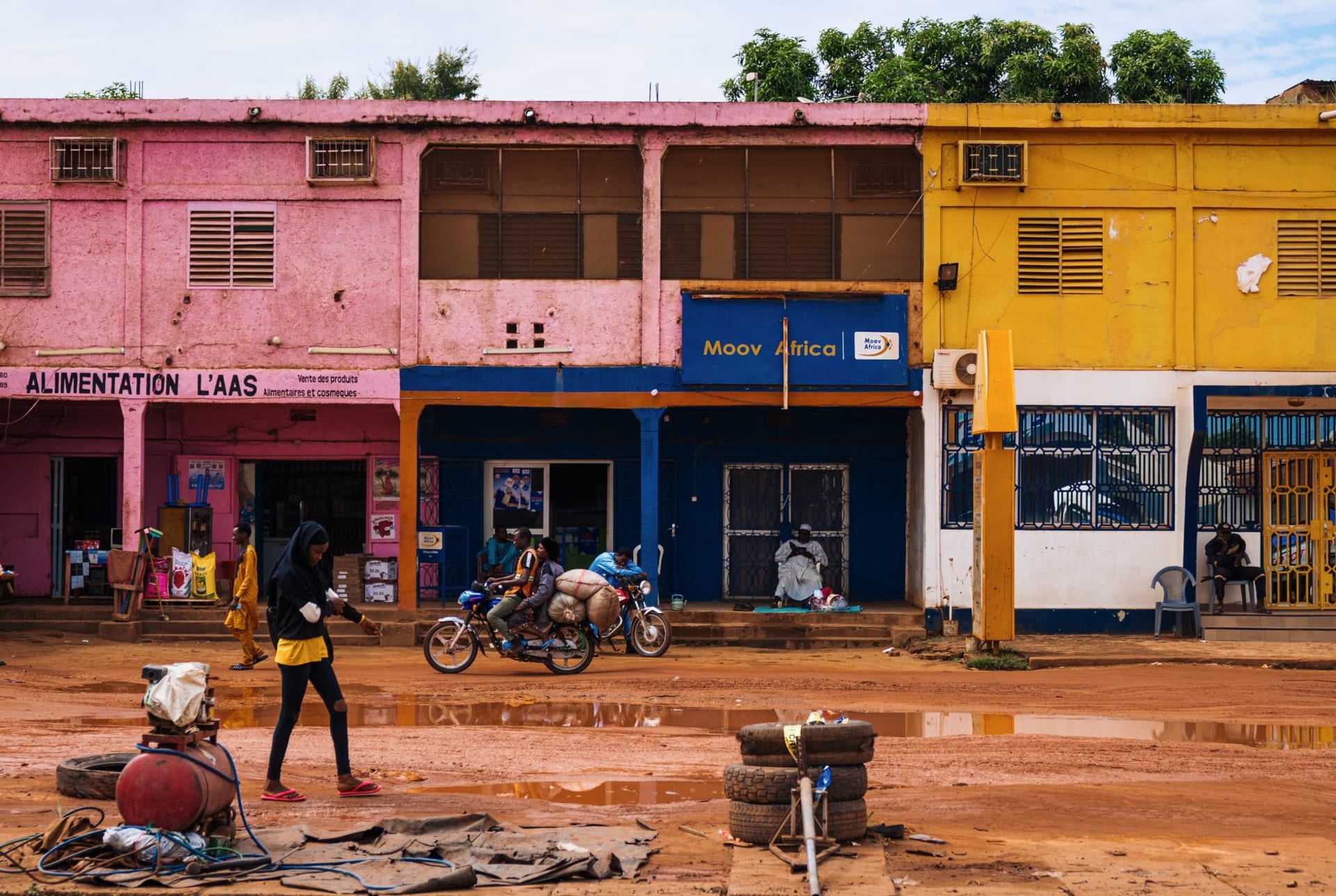
Koudougou does not make it onto many itineraries, which is most of the reason I wanted to go. It is Burkina Faso’s third-largest city, a flat, hot, red-earth town about a hundred kilometers west of Ouagadougou on the old railway line that runs down to the coast at Abidjan. There is no headline sight here, no waterfall or fortress, and the heat in the dry season is the kind that rearranges your plans for you. What there is, instead, is cloth — Koudougou is one of the great weaving towns of the Sahel — and a market, and a tempo of ordinary Burkinabè life that felt, after the capital, refreshingly unhurried.
The town that weaves
The thing to understand about Koudougou is the loom. Walk almost any residential street and you will hear them before you see them: the clack-and-thump of narrow wooden strip looms worked by hand, on which weavers produce long ribbons of cotton no wider than your hand, which are then sewn edge to edge into the cloth Burkinabè call faso dan fani — literally “woven cloth of the homeland.” It is a point of national pride, worn at weddings and worn by presidents, and Koudougou is where a great deal of it comes from. I spent a morning sitting with a weaver in the shade of his courtyard, watching his feet work the pedals and his hands fly the shuttle, the strip of indigo-and-white cloth growing by maybe a centimeter a minute. He had been doing it, he said, since he was a boy, and his father before him. The maths of how slowly the cloth grows against how cheaply it sells did not bear thinking about, and he did not seem to be thinking about it.
Lia bought a length of it, deep indigo with a thread of yellow running through, and the negotiation was conducted entirely in good humor and broken French and a lot of laughing, which is how the best transactions in this country seem to go.
The grand marché and the heat of the day
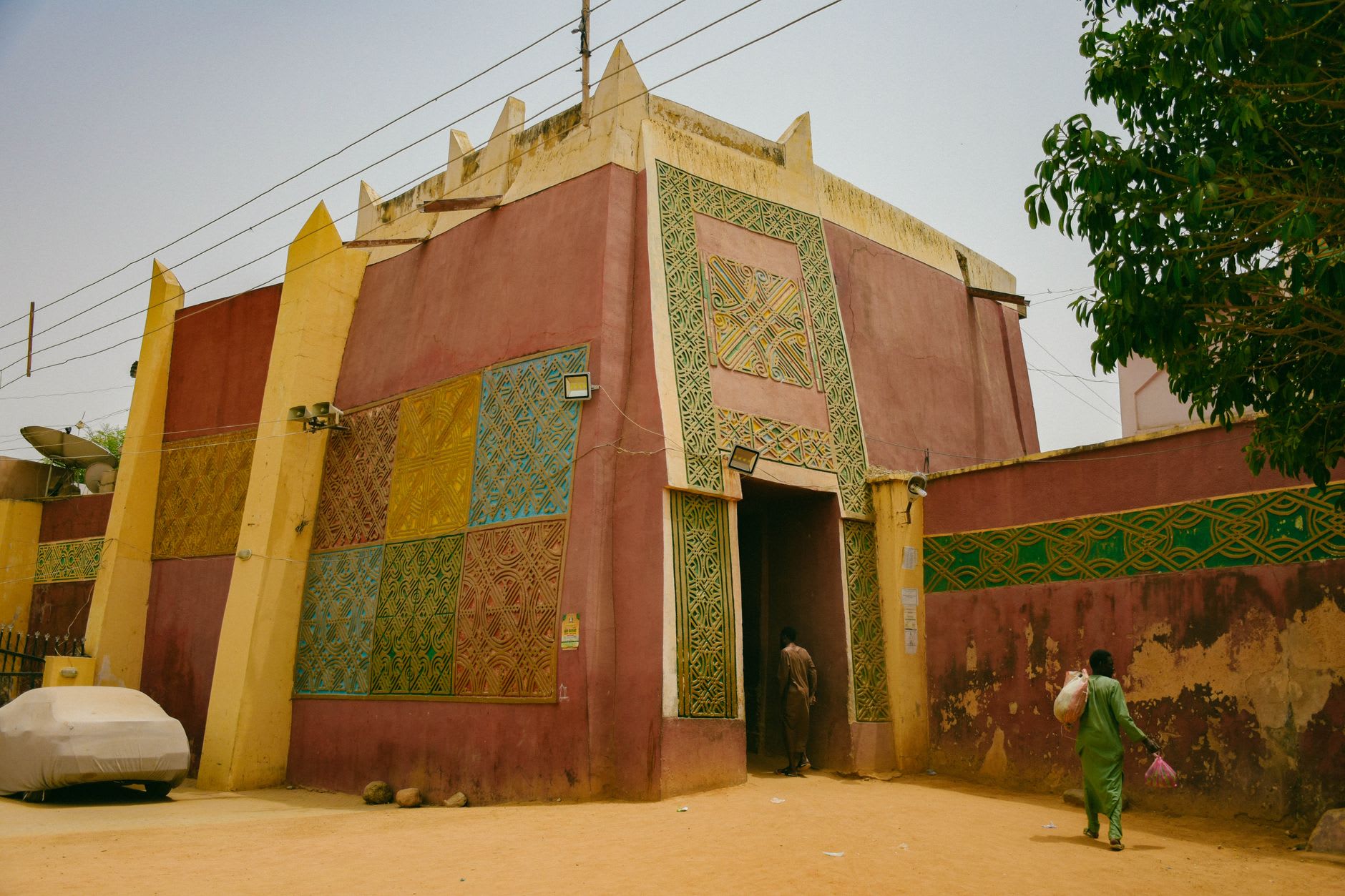
The Grand Marché of Koudougou is the proper heart of the town, a sprawling covered labyrinth that on market day swallows the surrounding streets entirely. We went mid-morning before the worst of the heat and lost ourselves happily for an hour among stalls of dried fish, mounds of dark green dried baobab leaf, plastic basins, soap, cola nuts, and bolt after bolt of cloth — the local weaving alongside the loud wax prints from the coast. Nobody hassled us; a few people wanted to practice French, one boy wanted to know about Mexico and was disappointed I could not produce a photograph of a cactus on demand.
By early afternoon the heat had won, as it always does here, and the town went quiet. We retreated to a courtyard buvette under a mango tree and drank bissap — chilled hibiscus juice, deep red and tart-sweet — while the temperature did its worst outside and a radio somewhere played Burkinabè guitar. It is in these flat dead hours of the afternoon that you understand a place like Koudougou best: not as a sight to be seen but as a rhythm to be sat inside, the looms paused, the market dozing, the whole red town waiting out the sun. When it finally dropped, the streets filled again, the looms resumed, and the cloth went on growing a centimeter at a time.
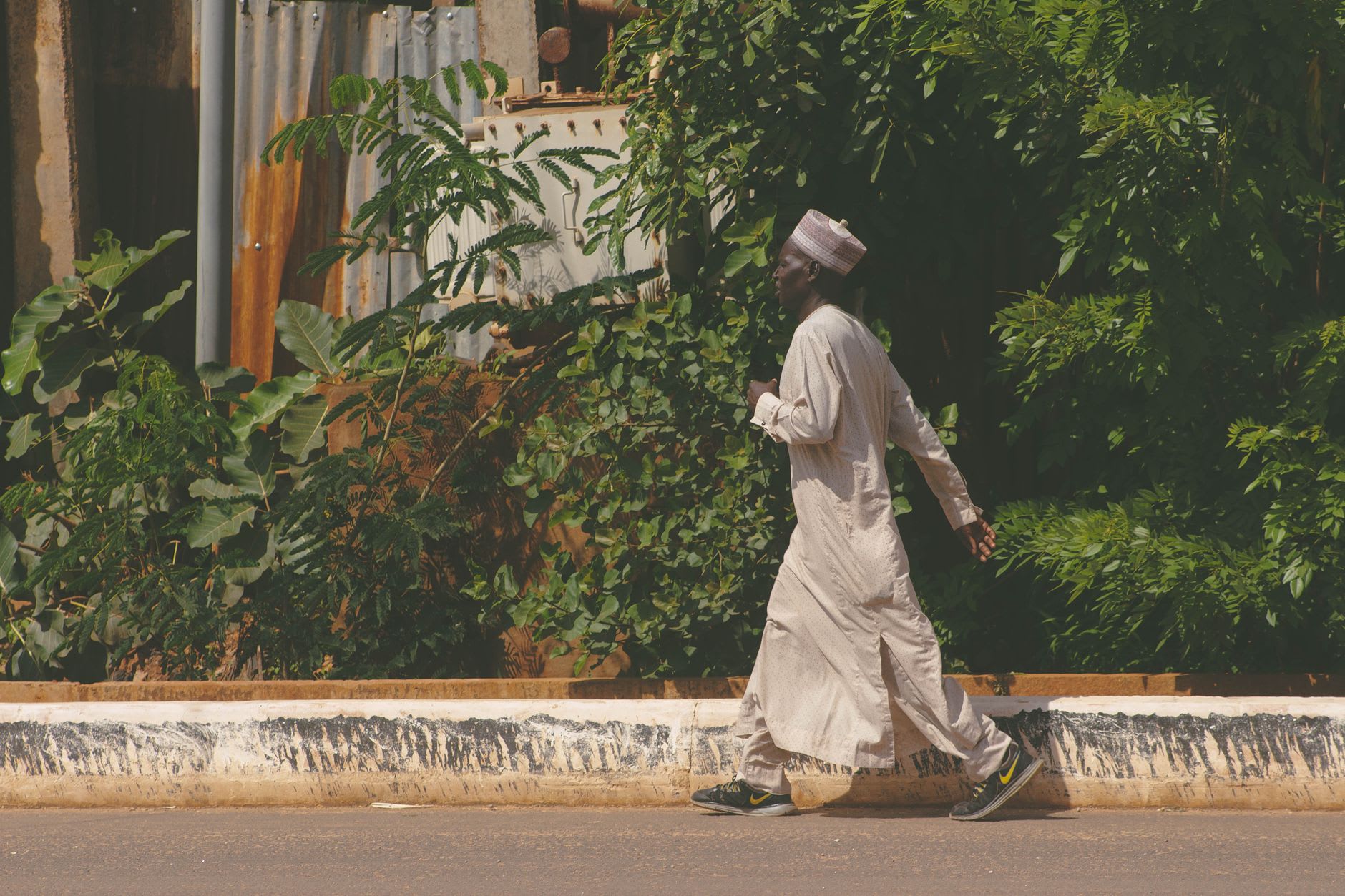
When to go: November to February, the cooler, drier months, when daytime heat is merely serious rather than dangerous. Time your visit to the main market day for the fullest version of the town, and buy your faso dan fani directly from a weaver if you can — it costs a little more and means a great deal more.