
Bobo-Dioulasso
"Bobo moves at a different frequency than Ouaga — quieter, more humid, more itself."
The bus from Ouagadougou takes five or six hours depending on how many times it stops, and somewhere around the three-hour mark the landscape shifts. The flat, reddish scrub of the central plateau softens, the trees get taller and hold more leaf, and by the time the bus pulls into Bobo-Dioulasso the air through the window carries moisture. After the harmattan-dry capital, this feels almost offensive in its lushness. Bobo — as everyone calls it without exception — sits in the southwest near the Comoé River, in a part of the country that belongs climatically more to the Sudanese zone than the Sahel, and the difference registers in your skin within the first hour.
The city is smaller and quieter than Ouaga, and it wears its age more visibly. In the old quarter of Dioulassoba, the streets narrow and curve along lines that predate any urban planning, and the Grande Mosquée de Dioulassoba — built in the Sudano-Sahelian style from banco mud, its wooden scaffolding poles jutting permanently from the walls like pins in a cushion — rises from the neighbourhood with a gravity that I did not expect. I had seen photographs, but photographs don’t carry the weight of the thing. It was built in 1880 on the site of an older structure and has been continuously maintained ever since, the mud re-plastered each year after the rains. The maintenance is not preservation in the archival sense — it is a living practice, part of the mosque’s ongoing use.
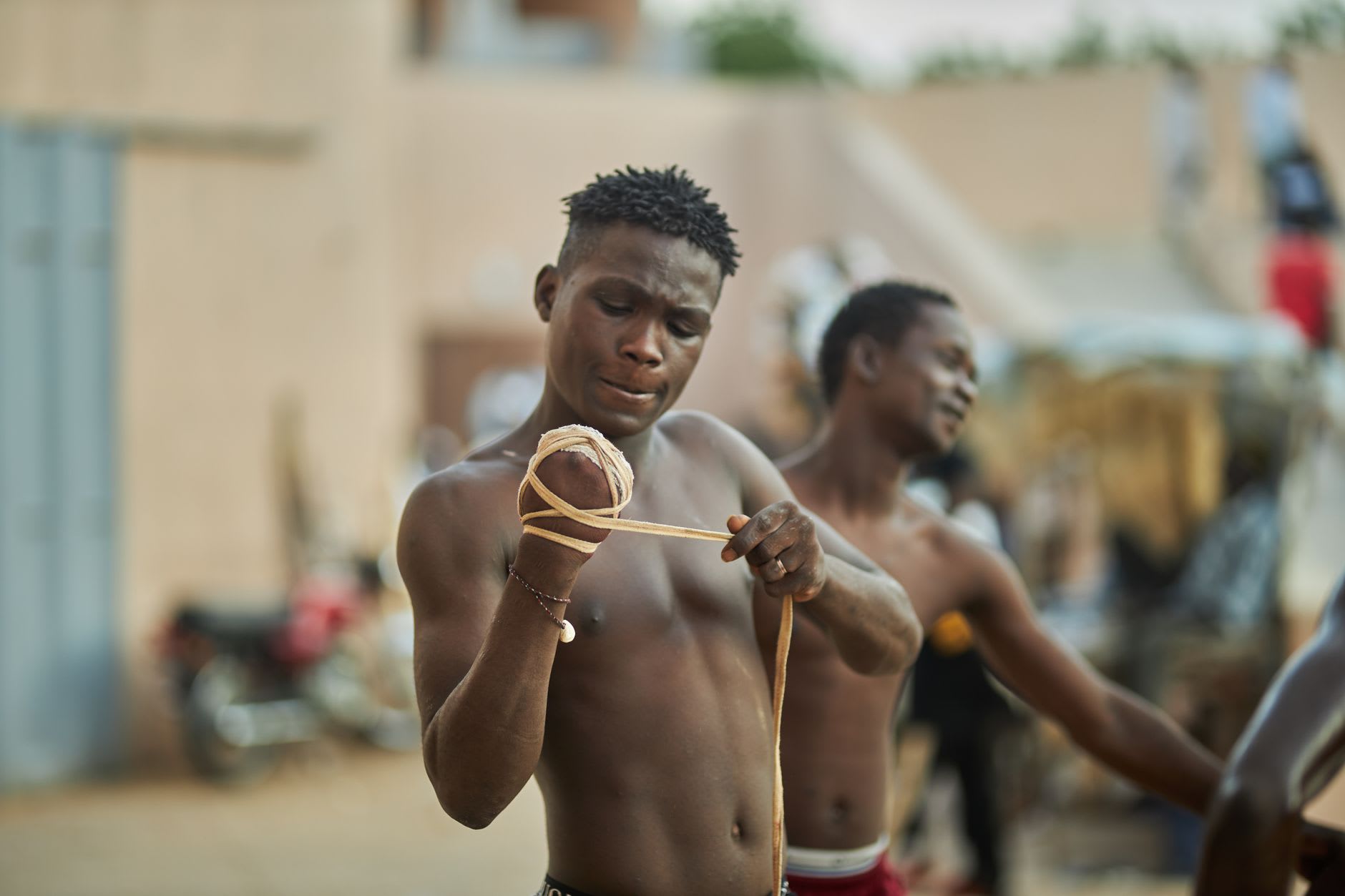
The old quarter extends outward from the mosque in a warren of clay-walled compounds. Here the houses follow a traditional Bobo spatial logic: high exterior walls, an interior courtyard where the real life happens, the kitchen tucked against the south-facing wall. On a late afternoon walk I came across an old man repairing a leather harness in the shade of a neem tree, a woman pounding millet in a wooden mortar worn smooth from decades of use, two children playing a game with pebbles in the dust. Nobody was performing anything for anyone. I was the stranger here, and I was treated with the mild curiosity extended to a stranger who has the good sense to walk slowly and not point a camera at everything.
The fish market near the marigot — the seasonal stream that cuts through the lower quarter — operates in the morning and smells exactly as you’d expect: strong and vital and alive. Capitaine and tilapia arrive fresh from the Comoé and its tributaries, and the grilled fish you eat at a riverside spot that evening, with attiéké couscous and a small dish of raw onion and chili, tastes like the whole day has been leading there.
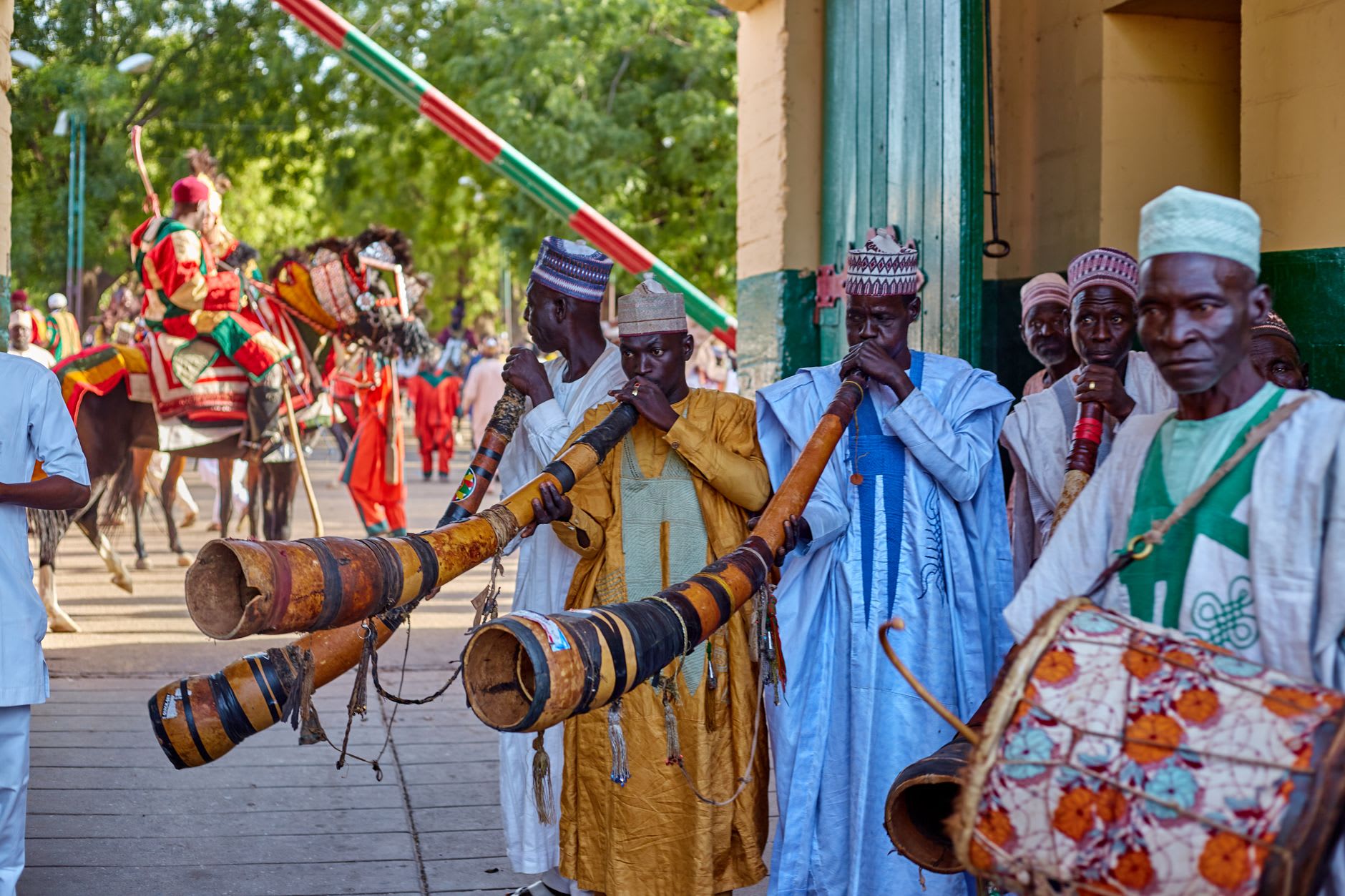
Evenings in Bobo have their own rhythm. The guinguettes — open-air bars under mango or neem canopies — fill up with a cross-section of the city: civil servants and moto mechanics and students from the university and women selling coupons of cloth who have stopped work for the day. Somebody puts on music, usually something Malian or Ivorian with a bass that carries across the road. A cold bottle of Flag beer sweats in your hand. A man at the next table offers you a portion of his brochettes without explanation, and you take it without ceremony, and the conversation that follows lasts three hours and covers topics neither of you planned to discuss. That is the specific pleasure Bobo offers: it is a city that slows you down until you stop resisting it, and then it starts to feel like time is passing at the correct speed.
When to go: November through March catches Bobo at its most comfortable — warm but not brutal, and the old quarter’s earthen buildings photograph beautifully in the dry-season light. Avoid May through August when the rains make the laterite roads outside town difficult and the humidity becomes enveloping.