
Something happens to the air west of Ouagadougou. The further you push along the RN1, the more the landscape sheds its Sahelian austerity — the termite mounds get taller, the trees hold more canopy, and somewhere around Boromo the first sugarcane fields appear, running in dark green rows that absorb the afternoon sun rather than reflecting it back at you. By the time you reach Banfora, three hundred kilometers southwest of the capital, the humidity is palpable, a softness in the air that your skin reads before your brain does. After days in Ouaga’s harmattan dust, this feels like crossing a threshold into a different country, though the red laterite of the roads and the Mossi script on the roadside signs reassure you that you haven’t gone anywhere quite so dramatic.
Banfora is a market town that functions as the gateway to the southwest’s natural attractions, and this transit role has given it a practical, unsentimental character. The gare routière in the center is busy at all hours with bush taxis and buses threading through from Bobo to the north, from Côte d’Ivoire to the south and west. The central market sprawls across three blocks and sells everything that serves the surrounding farming communities: hoes, herbicide, sacks of millet and maize, bolts of cloth in the Dutch wax prints that have become the default West African textile even as they were designed in Holland for export. There is a particular section of the market, on the western edge, where smoked fish is sold in enormous quantities by women who fan the coals of low braziers while conducting elaborate multi-threaded conversations with their neighbors. The smell of the smoke drifts two blocks in every direction.
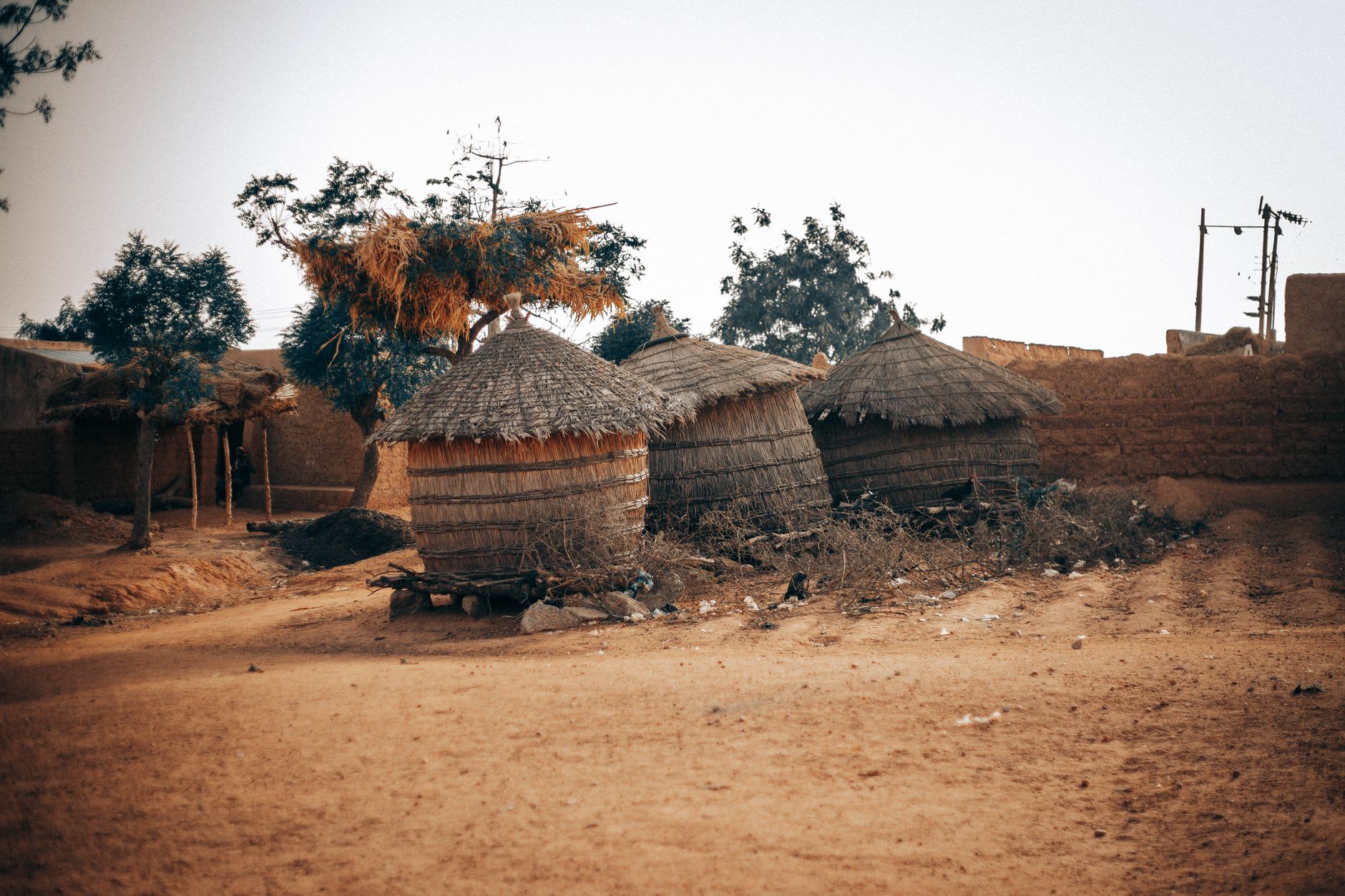
Lac de Tengrela, eight kilometers from town on a bumpy track, is the reason most visitors come to Banfora beyond its role as a staging post. The lake is a shallow wetland fringed by papyrus and water hyacinth, and it is home to a population of hippopotamuses that have become, over the decades, remarkably tolerant of the wooden pirogues that take visitors out onto the water. My boatman paddled us to within fifteen meters of a group of seven, the animals barely acknowledging our presence beyond a slow rotation of ears and the occasional yawn that revealed a quantity of pink interior that seemed excessive even for an animal of that size. The late-afternoon light on the water was golden and still, and the only sounds were paddle strokes and the distant call of a jacana picking its way across the lily pads on feet evolved for exactly that purpose.
In town in the evenings, the maquis near the bus station does a grilled capitaine fish that is worth the wait — forty minutes minimum, the fish coming off the charcoal with skin crisped and flesh still moist, served with a plate of fried plantain and a small saucer of onion and pili-pili that lights up the inside of your mouth in a way that seems disproportionate to the size of the chilies. I ate there three nights running, at the same table, served by the same young woman who never once suggested I might want to try something different. She was right about that too.
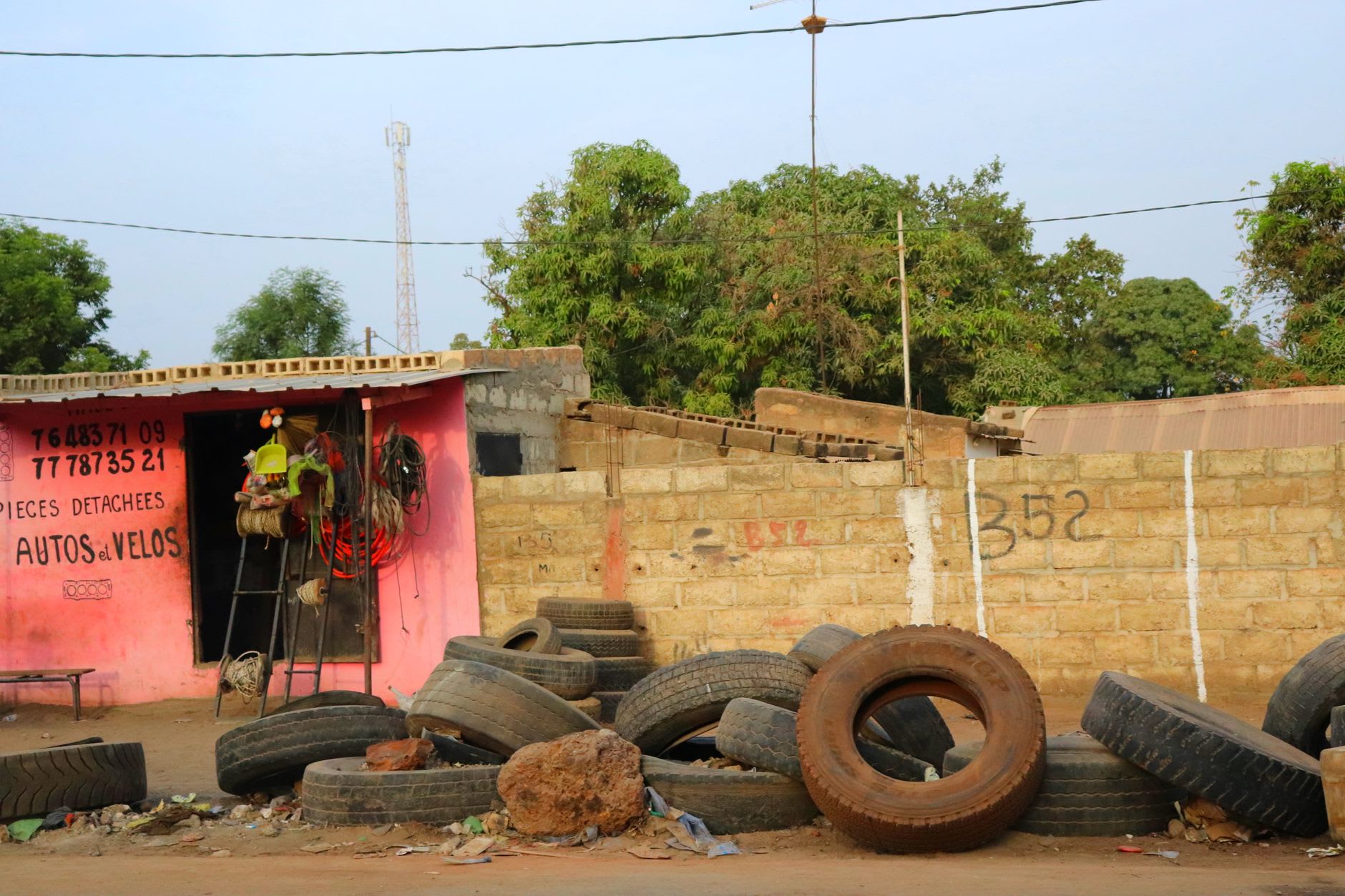
What Banfora offers, beyond its role as a base for the Sindou Peaks and Karfiguéla Falls, is a version of Burkinabè life that runs at the pace of agriculture rather than urban ambition. The sugarcane processing plant on the northern edge of town — the SOSUCO factory, whose operations perfume the whole district with a molasses sweetness that becomes, over days, as ambient as the humidity itself — anchors the local economy and draws laborers from across the southwest during harvest season. The town’s rhythms follow those of the cane: planting, growing, cutting, crushing, everything calibrated to the river and the rain.
When to go: November through February is the most comfortable window — warm and green but dry enough to make road travel and hiking reasonable. March through May gets brutal as the dry heat builds. The cane harvest runs roughly December through March and brings extra life to the town.