Auxerre
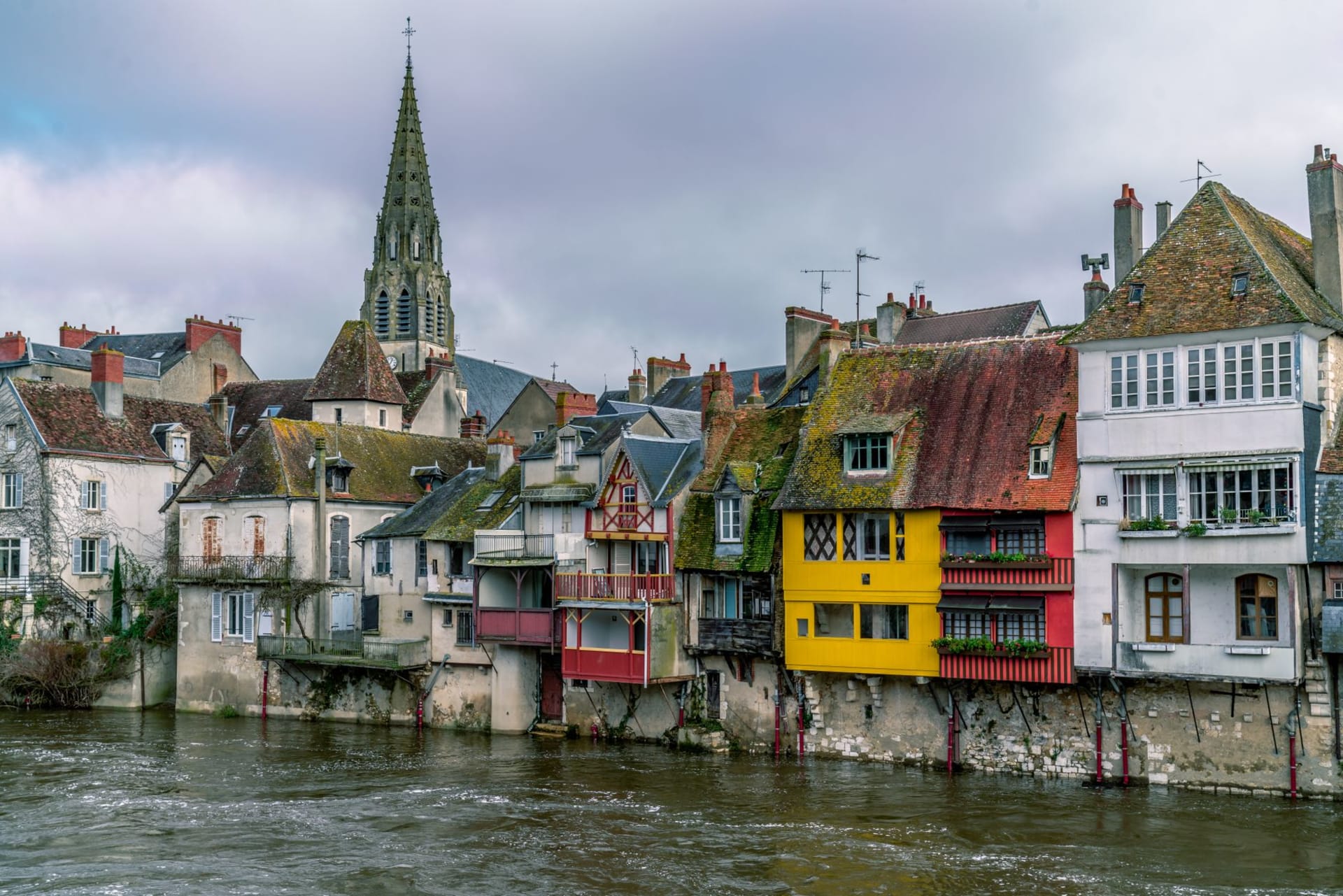
"Auxerre has the riverfront that Bruges charges you to queue for. Nobody queues here. I had it to myself at eight in the morning."
The train from Paris to Lyon passes through Auxerre, or rather it passes near it — the TGV doesn’t stop. This is the reason most people don’t stop. The A6 bypasses the old town entirely. Auxerre exists in a quiet between the major routes, and this is its best quality. I came by the slow train from Paris-Bercy, the one that stops everywhere, and arrived in the early morning with the town just opening. The station is ten minutes’ walk from the old centre, which is built on a hill above the Yonne river with a logic that makes it easy to navigate by instinct.
The river is what you notice first. From the quai on the left bank you look across the Yonne at the old town rising above the water — the spires of the Saint-Étienne cathedral and the abbey of Saint-Germain visible above the halfttimbered houses, the whole thing reflecting in the river surface on still mornings in a way that is genuinely and unpretentiously beautiful. I walked this quai both evenings I was there and watched the light change and the fishermen work the banks and a pair of grey herons stand in the shallows with the patience that herons have, which is absolute.
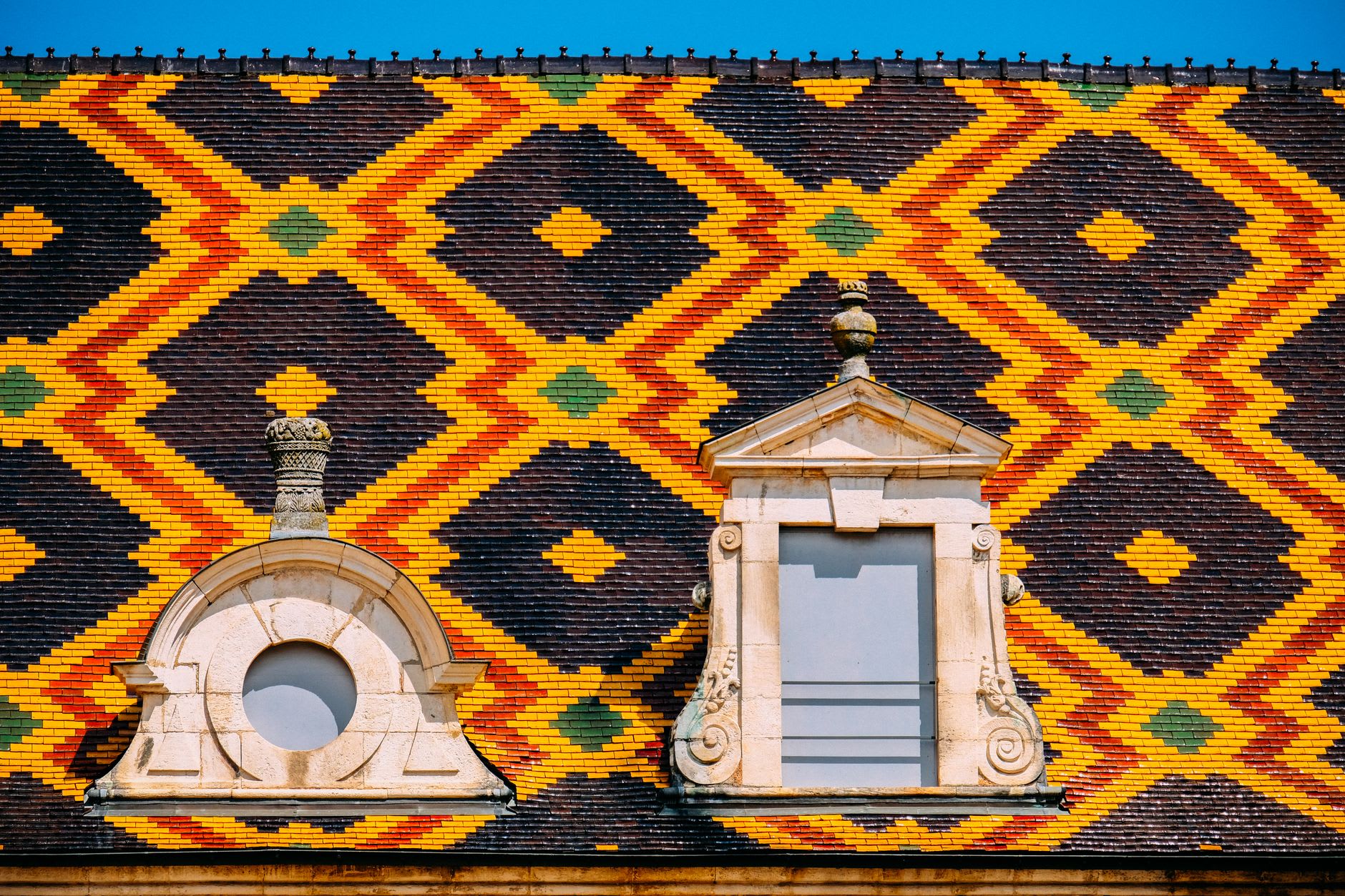
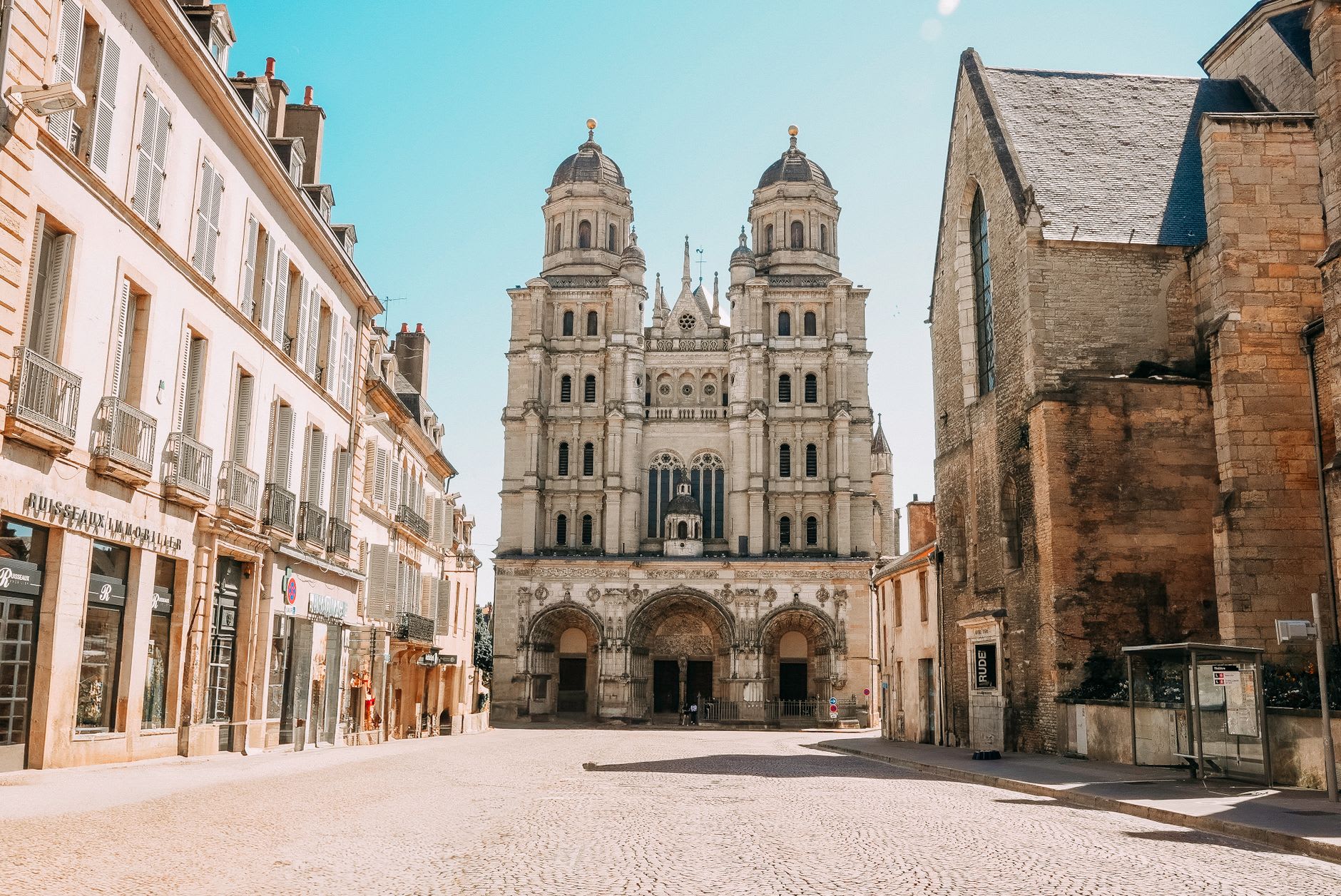
The cathedral of Saint-Étienne is one of the great Gothic buildings in France and receives a fraction of the attention of the cathedrals at Chartres or Reims. It took 372 years to build, which accounts for the way it accumulates styles without resolving them into a single statement. The stained glass in the choir ambulatory dates from the twelfth and thirteenth centuries — some of the oldest surviving glass in France — and on a bright day it casts colored light onto the stone floor in shifting patterns that move as the sun does. The crypt beneath the choir holds frescoes from the twelfth century, one of which shows Christ on horseback — an iconographic rarity that art historians argue about enthusiastically.
The abbaye Saint-Germain is the other major monument: a Carolingian church above, a crypt below that dates to the fifth century, the walls covered in Carolingian frescoes that are the oldest surviving figurative paintings in France and look, under the low lighting, both ancient and strangely immediate. A small museum adjoins the church with objects from the Gallo-Roman and Merovingian periods. I was the only visitor on a Wednesday afternoon and the guard looked pleased to have someone to lead through the frescoes, explaining details with a flashlight.
Auxerre has a good weekly market on Tuesday and Friday mornings, a covered market hall daily, and a food culture that benefits from proximity to Chablis — the wine lists here are serious and the prices for premier cru Chablis at local restaurants are noticeably better than in the wine towns themselves. I ate boiled beef with root vegetables and horseradish at a restaurant behind the cathedral that had a zinc bar and a handwritten menu and was full of people who worked nearby. Nobody photographed their food.
When to go: Spring and early summer are the best times — the Yonne runs high and the reflections are vivid, the chestnut trees along the quais are in leaf. The grape harvest in the nearby Chablis vineyards adds energy in September. Winter is quiet but not unwelcoming, and the cathedral frescoes and the crypt don’t depend on weather.