Tryavna
"We came for one afternoon and stayed for three, because Tryavna doesn't let you leave in a hurry."
A cobbled Renaissance square, woodcarvers' workshops, and a stone clock tower still keeping time in Bulgaria's Balkan foothills.
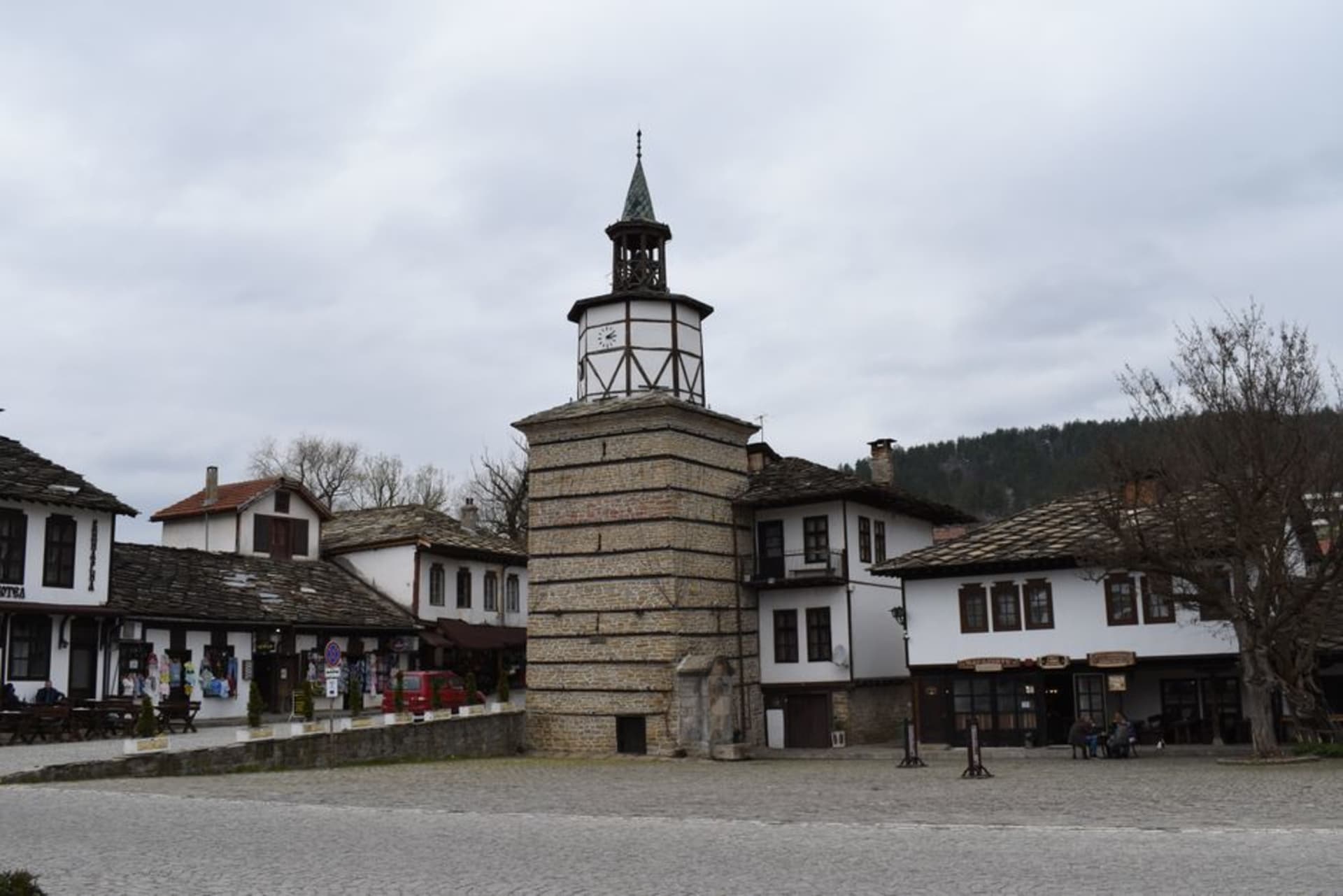
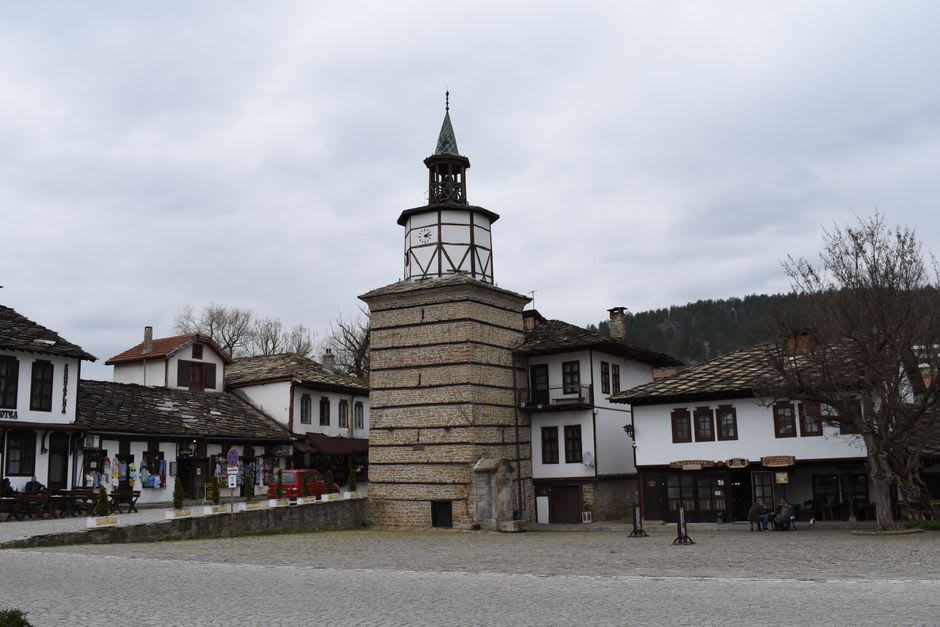
We almost skipped Tryavna. Lia had circled it on the map as a “maybe, if we have time between Veliko Tarnovo and the mountains,” and I’m still grateful we made the time. The moment we stepped into the main square, I understood why people here talk about it the way Parisians talk about the Marais — this is, as far as anyone can tell, the only square in Bulgaria that’s kept its Renaissance-period layout fully intact. No modern infill, no glass-and-steel intrusion, just cobblestones worn smooth and houses leaning gently toward each other like they’re sharing a secret.
The clock tower is what got me first. It’s been standing since 1814, stone-built and squat, and it still works — I checked my phone against it out of habit and it wasn’t off by much. We sat on the low stone wall near it with coffee from a tiny place that didn’t have an English menu, watching the town go about its business under a tower that’s outlasted several versions of the country around it.
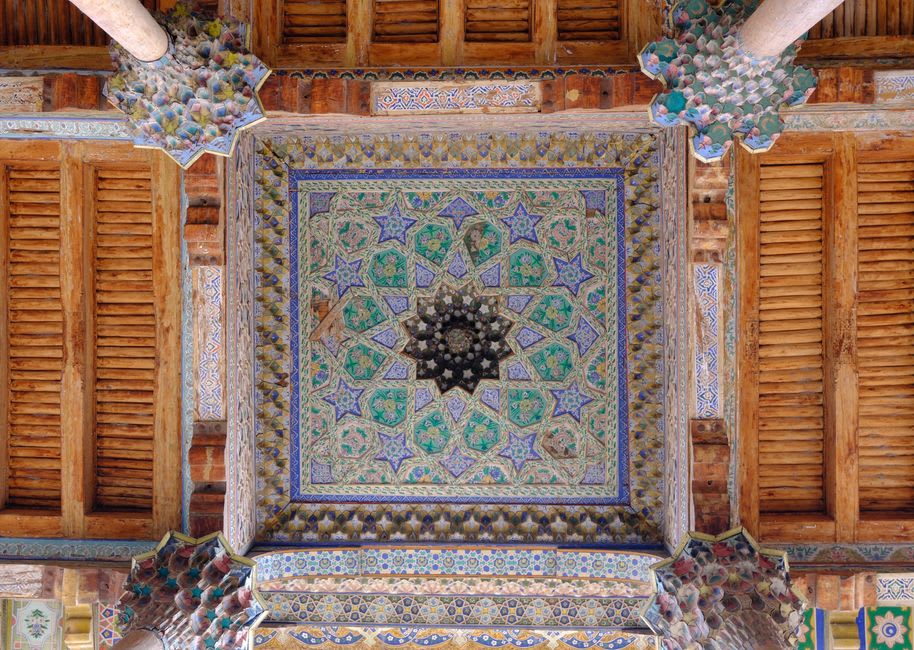
But the real reason to linger is the woodcarving. Tryavna trained generations of Bulgaria’s icon painters and woodcarvers, and it shows — every other doorway seems to lead into a house-museum with carved ceilings or painted panels. We paid the small entry fee for the Daskalov House and stood under its two famous ceilings, each carved by a different craftsman in a kind of 19th-century rivalry, both centered on radiating sun motifs. Lia kept tilting her head trying to decide which one she preferred; I never got her to commit to an answer.
We ended up eating dinner at a small tavern just off the square, the kind of place where the owner brought out extra bread without being asked, and talked for a while about how a town this small produced so many painters and carvers whose work is still scattered across these little museums. It felt less like a tourist stop and more like a workshop that happened to still be open.
When to go: We’d point you toward autumn, September into October, when the hills around town turn gold and the light on the old houses gets almost too photogenic — though a mild spring visit has its own quiet charm if you’d rather skip the crowds.